
Several effective basement waterproofing methods can address these issues. These methods vary in complexity, cost, and the specific problems they solve. Here are the most common methods used in residential basements:
1. Interior Waterproofing Solutions
Interior waterproofing methods manage water that has already infiltrated the basement. These solutions are often the first line of defense against basement water problems.
Interior Sealants
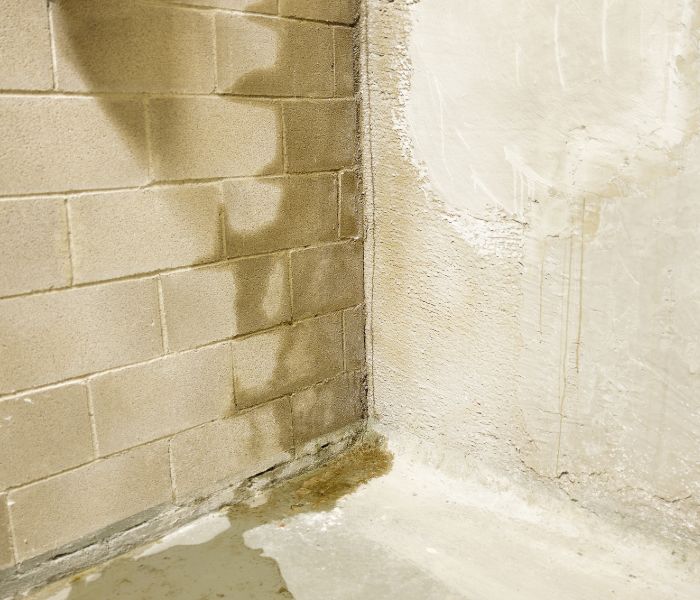
Interior sealants are used to seal small cracks and gaps in basement walls and floors, preventing water from seeping through.
- Application: Sealants are applied directly to the cracks and gaps, usually with a brush or spray. Common materials include epoxy and polyurethane.
- Benefits: Easy to apply and relatively inexpensive. Ideal for minor leaks and dampness.
- Limitations: Not a permanent solution for serious water problems or structural cracks.
Sump Pumps
A sump pump system is designed to collect and pump out water that enters the basement, preventing it from accumulating.
- Components: A sump pump system typically includes a sump basin, pump, and discharge pipe.
- Benefits: Highly effective at keeping basements dry. Automatically activates when water reaches a certain level.
- Limitations: Requires electricity to operate, so a backup power source is recommended.
Interior Drainage Systems
Interior drainage systems, also known as French drains, are installed along the perimeter of the basement floor to channel water to the sump pump.
- Installation: Involves digging a trench around the perimeter, laying a perforated pipe, and covering it with gravel.
- Benefits: Effective at managing water that enters the basement. Works well with sump pump systems.
- Limitations: Can be costly and requires some disruption to the basement floor during installation.
Vapor Barriers
Vapor barriers are sheets of plastic or foil installed on basement walls to prevent moisture from penetrating.
- Application: Installed on the interior walls, often in conjunction with insulation.
- Benefits: Reduces humidity levels and prevents mold growth.
- Limitations: Does not address the source of water infiltration but helps control moisture.
Dehumidifiers
Using a dehumidifier in the basement helps to control humidity levels, reducing condensation and preventing mold growth.
- Benefits: Helps maintain a dry environment. Can be used in conjunction with other waterproofing methods.
- Limitations: Requires regular maintenance and electricity to operate.
2. Exterior Waterproofing Solutions
Exterior waterproofing aims to prevent water from entering the basement in the first place. This approach is more comprehensive but also more labor-intensive and costly.
Exterior Sealants and Membranes
Applying waterproof sealants or membranes to the exterior walls of the foundation creates a barrier against water infiltration.
- Application: Typically involves excavating around the foundation to expose the walls, then applying a waterproof coating or membrane.
- Benefits: Provides a long-term solution by addressing water problems from the outside.
- Limitations: Expensive and disruptive, as it requires excavation.
Exterior Drainage Systems
Installing exterior drainage systems, such as French drains, helps to direct water away from the foundation.
- Installation: Involves digging a trench around the foundation, laying a perforated pipe, and covering it with gravel.
- Benefits: Reduces hydrostatic pressure on the foundation walls and prevents water from pooling around the house.
- Limitations: Can be costly and labor-intensive.
Proper Grading and Landscaping
Ensuring the ground slopes away from the foundation helps to direct water away from the basement.
- Application: Re-grading the yard and installing proper landscaping to promote drainage.
- Benefits: Simple, cost-effective way to reduce water problems.
- Limitations: May not be sufficient for severe water issues.
3. Combination Solutions
In many cases, a combination of interior and exterior waterproofing methods provides the best approach to ensure a dry basement. This comprehensive strategy addresses both the symptoms and the root causes of water problems.
Assessment and Diagnosis
The first step in any waterproofing project is a thorough assessment of the basement and foundation to identify the sources of water infiltration.
- Process: Conducting a detailed inspection, possibly with the help of a professional, to understand the extent of the problem.
- Benefits: Helps to develop a tailored waterproofing plan that addresses specific issues.
- Limitations: Professional assessments can be costly but are essential for accurate diagnosis.
Implementing a Multi-Layered Approach
Combining multiple waterproofing methods often provides the best results.
- Example: Using an exterior membrane to prevent water from entering, coupled with an interior drainage system and sump pump to manage any water that does get in.
- Benefits: Comprehensive protection against water problems.
- Limitations: More expensive and complex than single-method solutions.
The Importance of Professional Help
While some waterproofing tasks can be handled by handy homeowners, many require professional expertise to ensure they are done correctly. Here are a few reasons why professional help is important:
- Accurate Diagnosis: Professionals have the experience and tools to accurately diagnose the source of water problems.
- Proper Installation: Many waterproofing methods, especially exterior solutions, require specialized skills and equipment.
- Long-Term Solutions: Professionals can provide long-term warranties and guarantees for their work, offering peace of mind.
- Safety: Some waterproofing tasks, such as excavating around the foundation, can be dangerous without proper knowledge and equipment.
Maintaining a Dry Basement
Once a basement is waterproofed, regular maintenance is essential to keep it dry. Here are some tips:
- Inspect Gutters and Downspouts: Ensure they are clean and direct water away from the foundation.
- Check Sump Pumps: Regularly test sump pumps to ensure they are working correctly, especially before heavy rains.
- Monitor Humidity Levels: Use a dehumidifier to keep humidity levels low and prevent condensation.
- Inspect for New Cracks: Regularly check the basement walls and floor for new cracks or signs of water infiltration.
- Maintain Landscaping: Keep the ground around the foundation properly graded and clear of plants with aggressive root systems.
Case Studies of Basement Waterproofing
Examining real-life examples of basement waterproofing can provide valuable insights into the effectiveness of various methods and the benefits they offer. Here are a few case studies:
Case Study 1: Sump Pump Installation for Water Infiltration
A homeowner experienced frequent water infiltration during heavy rains. A basement repair specialist recommended installing a sump pump system to manage the water.
- Solution: A sump basin was installed in the lowest part of the basement floor, with a sump pump and discharge pipe to expel water outside.
- Results: The basement remained dry during subsequent heavy rains, and the homeowner was pleased with the effective and automatic water management system.
Case Study 2: Carbon Fiber Reinforcement for Bowed Walls
A homeowner observed that the basement walls were bowing inward due to soil pressure. A basement repair specialist recommended carbon fiber reinforcement to stabilize the walls.
- Solution: The wall surface was cleaned, and carbon fiber strips were bonded to the wall using high-strength epoxy. The strips provided additional tensile strength to the walls.
- Results: The walls were stabilized, and further bowing was prevented. The homeowner was pleased with the minimal disruption to the home’s interior and the long-term effectiveness of the solution.
Case Study 3: Crack Injection for Structural Cracks
A homeowner noticed significant vertical cracks in the basement walls, indicating foundation settlement. A basement repair specialist recommended epoxy injection as the best solution.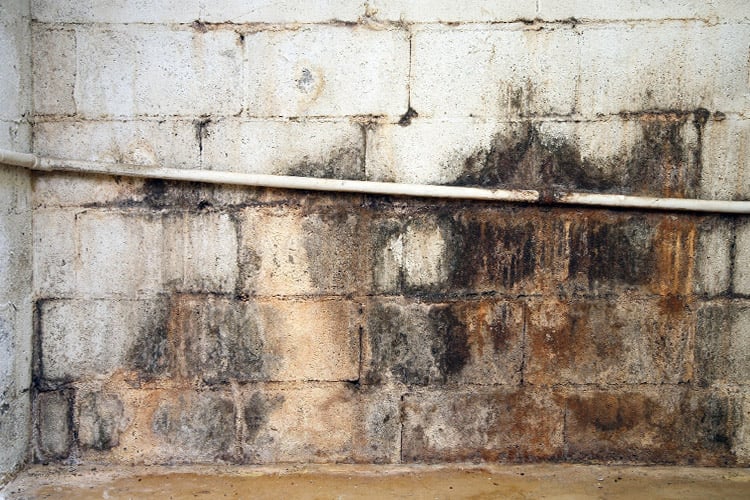
- Solution: The cracks were cleaned, and injection ports were installed. Epoxy resin was injected under pressure, filling the cracks entirely and restoring the structural integrity of the walls.
- Results: The cracks were successfully repaired, and the walls regained their original strength. The homeowner was satisfied with the long-term stability and peace of mind.
Waterproofing a basement is a critical step in protecting a home from water damage, mold growth, and structural issues. Understanding the different waterproofing options available can help homeowners make informed decisions. While some tasks can be done DIY, professional help is often necessary to ensure long-term effectiveness and safety. By investing in the right waterproofing methods and regular maintenance, homeowners can keep their basements dry and their homes healthy for years to come.
Contact the Professionals at Toledo Basement Repair Today! (419) 297-6138

Kevin Oberhouse was raised in Toledo with 7 siblings. Dawn and Kevin have four kids.
The Oberhouse family lives in the house Kevin built when with his first crew. Kevin’s parents invited more than 100 foster children into their home throughout his life. Kevin believes this part of his life really helped to build empathy for others.
Kevin has a degree in civil engineering and went on to get an MBA as well as multiple other certifications in structural systems, egress systems, air quality, and commercial and residential roofing, among many others.
Toledo Basement Repairs promises to treat you and your project with respect and our best professional judgment. There is plenty of work out there and Toledo Basement Repair will not push you into a system that you do not fully understand or feel comfortable with.
