
You’ve probably noticed that homes in Holland, OH seem to frequently suffer from foundation cracks. This isn’t just bad luck or poor construction – there’s a science behind it. Factors such as the area’s expansive clay soils, drastic weather changes, and unique geological characteristics all play a part. But what does this mean for you as a homeowner, and what can you do to prevent such damage? Let’s explore these questions further.
Key Takeaways
- The soil type in Holland, OH, particularly expansive clay, can cause foundation instability and cracks due to moisture-related expansion and contraction.
- Weather conditions in Holland, OH might lead to fluctuations in temperature and humidity, causing concrete expansion, contraction, and subsequent foundation cracks.
- Local vegetation in Holland, OH, especially large trees, can disrupt soil stability and exert pressure on foundations, leading to cracks.
- Homes in Holland, OH may have construction issues such as poor load distribution or inadequate reinforcement, increasing the risk of foundation cracking.
- High water tables in Holland, OH or poor drainage systems can oversaturate the soil, exacerbating foundation stability issues and leading to cracks.
Understanding Foundation Cracks
Within the realm of home maintenance, nothing sends shivers down a homeowner’s spine quite like the sight of foundation cracks. You might wonder why crack formation occurs, and how it threatens your home’s foundation stability.
Firstly, understand that foundation cracks aren’t always a sign of impending doom. They’re sometimes a normal result of the home settling over time. However, significant cracks can signal serious issues. The key is identifying which cracks are harmless and which require immediate attention.
Crack formation can be due to several factors, including concrete shrinkage, thermal movement, and moisture exposure. Tiny hairline cracks often result from the natural curing process of concrete. They’re typically not a threat to your foundation stability.
On the other hand, wider cracks that grow over time might indicate a serious structural problem. If you notice a crack wider than 1/8 inch, it’s time to call in a professional. You can’t afford to ignore these warning signs, as they can lead to major structural damage and costly repairs down the line.
Soil Composition in Holland, OH
You must consider the soil composition in your region as it directly impacts your home’s foundation.
Different soil types behave differently under pressure, potentially leading to foundation issues.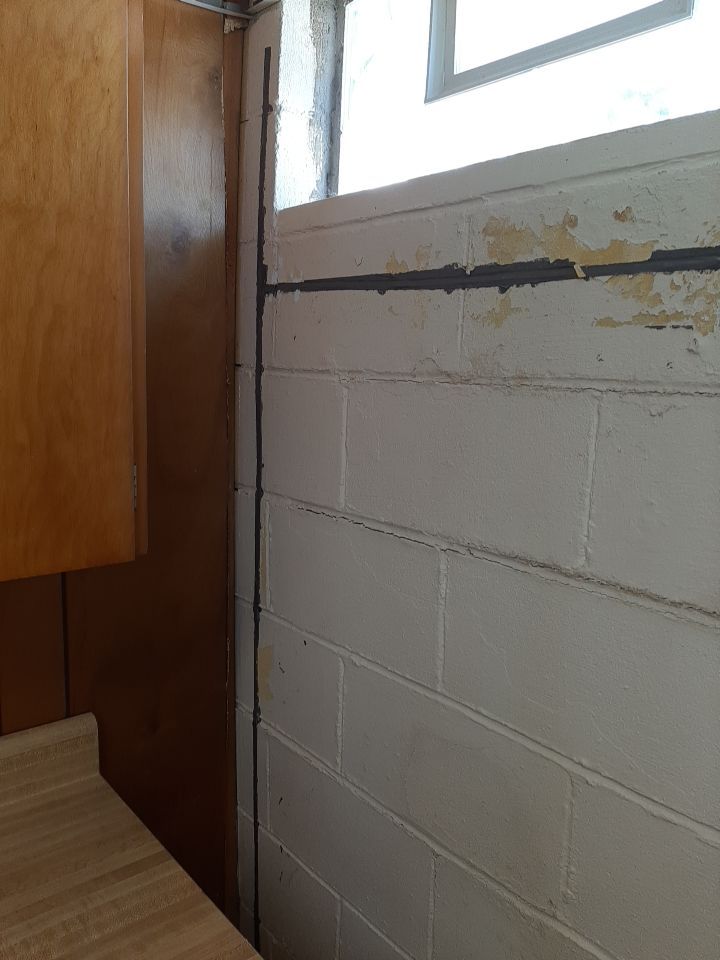
To prevent and address these problems, it’s crucial to understand how the local soil may affect your home’s structural integrity.
Understanding Soil Types
Our region’s soil composition plays a significant role in the occurrence of foundation cracks in homes. To fully grasp this, you’ll need to understand the soil types prevalent in the area and how soil moisture influences them.
The primary soil types in our region are clay, silt, sand, and loam. Clay soils, being highly compactable and prone to dramatic volume changes with varying moisture levels, are notorious for causing foundation issues. Sandy soils, on the other hand, have excellent drainage but poor cohesion, making them unstable under heavy loads. Silt soils fall somewhere in between, with moderate drainage and compaction properties. Loam, a balanced mix of the three, is the ideal soil for construction, but it’s not commonly found in our region.
Understanding soil moisture dynamics is equally vital. Soil moisture variation, especially in clay soils, can lead to significant expansion and contraction cycles. These cycles can exert tremendous pressure on foundations, potentially leading to cracks.
In essence, the region’s soil composition, characterized by these soil types and influenced by fluctuating soil moisture, contributes significantly to the susceptibility of homes to foundation cracks.
Being aware of this helps you anticipate potential foundation issues before they arise.
Impact on Foundations
The soil composition in Holland, OH wields a significant impact on your home’s foundation. Understand that your foundation’s stability, its ability to resist movement or shifting, is heavily influenced by the soil it’s built on.
Here’s why: different soil types exhibit different properties, such as plasticity, compressibility, and moisture content. These properties, in turn, determine how much the soil expands or contracts with changes in temperature and moisture levels.
In Holland, OH, expansive clay soil is common. It’s highly plastic, meaning it changes volume significantly with moisture changes. When it’s wet, it swells, putting pressure on your foundation; when it’s dry, it shrinks, creating voids that your foundation can settle into. Both scenarios can lead to foundation cracking.
The impact of these soil-induced stresses on your foundation isn’t immediate. It’s a gradual process, with the cracks starting small and then widening over time.
And once you’ve got a crack, it’s not just an aesthetic issue. It’s a structural problem that threatens your home’s overall stability. So, while crack repair is possible, it’s costly and doesn’t address the root cause: the soil.
That’s why understanding the soil composition in Holland, OH is so crucial.
Prevention and Solutions
To mitigate the effects of expansive clay soil on your home’s foundation in Holland, OH, several preventive measures and solutions can be implemented.
Firstly, ensure regular foundation inspections. This identifies potential issues early, giving you a chance to address them before they escalate. A qualified inspector will assess the soil around your home, the state of your foundation, and recommend appropriate steps.
To combat expansive soil, you can consider soil replacement. This involves excavating problematic soil and replacing it with a type less prone to expansion. It’s an effective but costly solution.
Another preventative measure is the installation of root barriers. These prevent tree roots from drawing moisture from the soil near your foundation, thus reducing soil movement.
There’s also an array of repair techniques available if cracks appear.
Underpinning, for instance, stabilizes your foundation by extending its depth or breadth to more stable soil.
You might also consider slabjacking, where a grout mixture is pumped beneath the slab to lift it back to its original position.
Impact of Climatic Conditions
Consider how weather patterns can play a significant role in causing foundation cracks.
As climatic conditions change, the soil around your home expands and contracts, directly affecting the foundation.
It’s crucial to understand how these seasonal soil transformations can lead to severe structural damage.
Weather’s Role in Cracking
Shifting temperatures play a pivotal role in the development of foundation cracks in homes. You’re likely aware that temperature extremes can cause materials to expand and contract, but have you considered how this impacts your home’s foundation? Well, it’s a big deal!
Humidity fluctuations also contribute significantly. When humidity levels rise, the concrete in your foundation absorbs moisture, causing it to expand. Conversely, lower humidity levels cause the concrete to contract as it dries out. This constant cycle of expansion and contraction can lead to cracks over time.
Here are three key weather-related factors contributing to foundation cracks:
- Temperature extremes – Extreme cold can cause the ground to freeze and expand, pushing against your home’s foundation. Extreme heat, on the other hand, can lead to soil contraction, creating gaps where the foundation can crack and sink.
- Humidity fluctuations – As mentioned earlier, changes in humidity can cause the concrete in your foundation to expand and contract, leading to cracks.
- Heavy rainfall – Although this will be discussed more in the next section, it’s worth noting here that excessive water can oversaturate the soil around your foundation, causing it to expand and put pressure on your home’s foundation.
Soil and Seasonal Changes
While you might not often consider the seasonal changes and soil composition when it comes to your home foundation’s health, they’re vital factors in foundation damage. Changes in soil moisture due to seasonal fluctuations can directly impact your home’s foundation. For instance, periods of heavy rainfall can cause soil to expand, exerting pressure on your foundation. On the other hand, during dryer seasons, soil can contract, leading to foundation settling or even cracks.
Let’s consider the following table that illustrates the impact of different seasons:
| Season | Soil Condition | Effect on Foundation |
|---|---|---|
| Spring | High soil moisture | Soil expansion, increased pressure |
| Summer | Lower soil moisture | Soil contraction, potential settling |
| Autumn | Variable soil moisture | Unpredictable effects |
| Winter | Frozen soil | Expansion, possible upheaval |
Understanding these seasonal effects can help you better maintain your home’s foundation. Regularly check for changes in soil moisture and any signs of foundation distress. Remember, prevention is always better than repair, so don’t underestimate the power of climate and soil in maintaining your home’s foundation health.
Geological Factors at Play
Three primary geological factors can greatly influence the integrity of your home’s foundation.
These elements, often overlooked, are capable of causing severe damage if not considered during the construction process.
Understanding these geological factors will equip you with the knowledge to mitigate potential foundation issues.
Here’s a quick rundown:
- Rock Formations: The type of bedrock your home is built upon can impact its stability.
Certain rock types, like shale or clay, are more susceptible to water infiltration, leading to foundation weakening and cracking.
You need to understand the characteristics of the underlying rock formations in your area.
- Seismic Activity: Even minor earthquakes can cause shifts in the ground, leading to foundation cracks.
If you’re located in a region with high seismic activity, you’ll need to take extra precautions to protect your home’s structure.
- Groundwater Flow: The presence of sub-surface water can soften the soil, causing it to compress under the weight of your home.
This compression can result in foundation sinking and cracking.
Role of Construction Methods
There’s no denying, the construction methods employed play a pivotal role in preventing foundation cracks. The techniques used and the type of building materials chosen can either make your home stand firm or cause it to crumble under pressure.
Consider this: poor construction techniques may result in an uneven load distribution. This can cause undue stress on certain parts of the foundation, leading to cracks. On the other hand, using quality construction techniques ensures that the load is evenly distributed, reducing the likelihood of cracks.
The choice of building materials also has a significant impact. Inferior materials may not withstand the pressure, causing the foundation to crack over time. However, high-quality materials can endure greater stress, thus preventing cracks.
To illustrate, let’s look at a table that compares the impact of different construction techniques and building materials on foundation cracks:
| Construction Techniques | Building Materials |
|---|---|
| Poor — leads to uneven load distribution, causing cracks | Inferior — can’t withstand pressure, causing cracks |
| Quality — ensures even load distribution, reducing cracks | High-quality — can endure greater stress, preventing cracks |
Age and Maintenance of Buildings
Your home’s age and the level of maintenance it receives are key factors determining the likelihood of foundation cracks. Older buildings, especially those constructed with outdated building techniques, are more prone to foundation issues. If maintenance practices aren’t up to par, the risk is even higher.
Let’s delve into how building age and maintenance practices affect your home’s foundation:
- Building Age: With time, materials deteriorate. Aging concrete, for example, shrinks and creates tension that can lead to cracks. Your home’s foundation isn’t immune to this natural process. The older your home, the more likely it’s to develop foundation issues.
- Maintenance Practices: Regular and proper maintenance can significantly reduce the risk of foundation cracks. This includes ensuring proper drainage to avoid water accumulation, checking and repairing any minor cracks promptly, and keeping the foundation area clear of heavy objects that could exert pressure.
- Age-Maintenance Interplay: An older home requires more meticulous maintenance. If neglected, age-related problems can quickly escalate, leading to substantial foundation damage.
Effects of Local Vegetation
Amidst the variety of factors that influence the integrity of your home’s foundation, local vegetation often plays a surprisingly significant role. The root systems of different vegetation types can vary greatly in size and depth, influencing soil stability. For instance, trees, with their large, expanding roots, can cause significant disruption, leading to cracks in your foundation.
Considerable root expansion can exert pressure on the foundation, leading to structural damage. Moreover, the tree influence on soil moisture isn’t to be underestimated. Trees, particularly large ones, absorb vast amounts of moisture from the soil, causing it to dry and shrink. This shrinkage can reduce soil stability, jeopardizing your foundation.
Conversely, plant growth that’s too minimal can also contribute to foundation issues. Without adequate vegetation, there’s less moisture absorption occurring, which can lead to oversaturated soil and consequential instability.
Effective landscape management, therefore, is crucial in maintaining a stable foundation. By carefully choosing and controlling the types and positions of plants, you can ensure a balance of moisture absorption and root pressure, thus mitigating potential harm.
Understanding the nuanced effects of local vegetation on your home’s foundation is a vital step in preventing foundation cracks.
Groundwater and Drainage Issues
Groundwater fluctuations and drainage problems can wreak havoc on your home’s foundation. The water table in your region plays a significant role in this. If the water table is high, groundwater can penetrate the foundation, causing it to expand. Conversely, when the water table drops, the foundation contracts. This constant expansion and contraction can lead to cracks.
Drainage systems, or the lack thereof, can also contribute to foundation damage. An effective system diverts water away from your home, preventing soil around the foundation from becoming oversaturated. When the soil is saturated, it exerts more pressure on the foundation which may result in cracking.
To understand why your foundation may be at risk, consider these factors:
- The height of your region’s water table can influence groundwater levels and pressure on your home’s foundation.
- The effectiveness of your drainage systems in directing water away from your property.
- The type of soil around your home, as some types are more prone to water retention which can exert more pressure on your foundation.
How to Prevent Foundation Cracks
Understanding the risks associated with groundwater and drainage issues is only the first step in safeguarding your home’s foundation. To prevent foundation cracks, you’ll need to be proactive. Let’s delve into this further.
First, consider a foundation inspection. Not a DIY project, but a thorough, professional evaluation. Inspectors can pinpoint potential problems before they escalate. They’ll look for signs of moisture build-up, improper drainage, and soil issues. You can’t address what you can’t see, so don’t skip this crucial step.
Next, familiarize yourself with repair techniques. If cracks are already present, early repair can halt further damage. Techniques such as epoxy injection and hydraulic cement are effective for small cracks. For more serious cases, underpinning or piering might be necessary. You’re not expected to perform these repairs yourself, but understanding them can help you make informed decisions.
Frequently Asked Questions
Are There Specific Home Insurance Policies That Cover Foundation Crack Repairs?
Yes, there are specific home insurance policies that include coverage for foundation crack repairs.
However, it’s vital you read the fine print as some policies contain exclusions for “settling, cracking, or bulging” of foundations.
You’ll want to ensure you’re covered for all scenarios, not just natural disasters.
It’s always best to discuss your policy in detail with your insurance agent to avoid any surprises down the line.
What Are the Potential Health Risks Associated With Foundation Cracks?
Foundation cracks can pose serious health risks. They compromise your home’s structural integrity, leading to possible collapse.
But there’s more. These cracks also create a gateway for harmful elements like radon gas, mold, and pests.
Radon is a silent killer, linked to lung cancer. Mold spurs allergies and respiratory issues. Pests carry diseases.
It’s not just about your home’s health, it’s about yours. So, address foundation cracks promptly to protect yourself.
What Is the Average Cost of Repairing Foundation Cracks in This Region?
In determining the average cost of repairing foundation cracks in your region, you’ll need to consider several factors.
Various repair techniques can be used, each with different costs. You’re also dealing with variables like the crack’s size and location.
On average, you might spend between $500 to $1,000 per crack. However, extensive damage could raise costs significantly.
Always consult with a professional for an accurate estimate.
Can Foundation Cracks Impact the Resale Value of My Property?
Absolutely, foundation cracks can impact your property’s resale value.
They’re often seen as a red flag by potential buyers, reducing their perception of your home’s value.
It’s not just about the cost of repairs; it’s also about the inconvenience and potential for future issues.
Are There Local Contractors Specializing in Foundation Repair in This Region?
Absolutely, there are local contractors in your region who specialize in foundation repair.
They’ve got the local expertise necessary to understand region-specific issues. They’re well-versed in various repair techniques, from sealing minor cracks to major underpinning.
They’ll assess the damage, determine the best repair strategy, and execute it efficiently.
It’s crucial to choose a contractor who knows your region’s specific needs to ensure the longevity of the repair.
So, you see, your home in Holland, OH faces a unique set of challenges. Expansive clay soils, fluctuating weather, and seismic activity all conspire to crack your foundation. Add in construction quirks, aging buildings, local plant life, and groundwater issues, and it’s clear why regular inspections and robust drainage solutions are critical. Don’t let your home become another casualty. Stay proactive to keep those foundation cracks at bay.

Kevin Oberhouse was raised in Toledo with 7 siblings. Dawn and Kevin have four kids.
The Oberhouse family lives in the house Kevin built when with his first crew. Kevin’s parents invited more than 100 foster children into their home throughout his life. Kevin believes this part of his life really helped to build empathy for others.
Kevin has a degree in civil engineering and went on to get an MBA as well as multiple other certifications in structural systems, egress systems, air quality, and commercial and residential roofing, among many others.
Toledo Basement Repairs promises to treat you and your project with respect and our best professional judgment. There is plenty of work out there and Toledo Basement Repair will not push you into a system that you do not fully understand or feel comfortable with.