
Your basement, often overlooked and underappreciated, plays a crucial role in the overall health and stability of your home. When water intrusion becomes apparent, it’s not merely a cosmetic concern; it’s a red flag signaling potential risks to your property and the well-being of its occupants. In this comprehensive article, we will delve into the reasons why a prompt basement inspection is essential when you notice water, exploring the potential consequences of water infiltration, the common sources of basement leaks, and effective strategies for remediation and prevention.
I. The Silent Menace of Basement Water Intrusion:
A. Structural Compromises:
Foundation Vulnerability: Water seeping into the basement poses a direct threat to the foundation. Continuous exposure to moisture can weaken the foundation, leading to cracks, shifts, and compromised structural integrity.
Hydrostatic Pressure: Accumulated water around the foundation exerts hydrostatic pressure, forcing water into cracks and vulnerabilities. This pressure can exacerbate existing issues, causing further damage to the foundation over time.
B. Mold and Mildew Proliferation:
Damp Environment: A wet basement creates an environment conducive to mold and mildew growth. These fungi thrive in damp conditions, spreading quickly and compromising indoor air quality.
Health Implications: Mold spores can trigger respiratory issues, allergies, and other health problems. The presence of mold in a damp basement poses health risks for occupants, especially those with pre-existing conditions.
II. Common Sources of Basement Water Intrusion:
A. Surface Water Runoff:
Inadequate Grading: Improper grading around the home, where the ground slopes towards the foundation, allows rainwater to pool around the basement walls, increasing the risk of water infiltration.
Gutter Issues: Clogged or damaged gutters and downspouts can lead to water overflow, directing water towards the foundation rather than away from it.
B. Foundation Cracks:
Settling and Shifting: Natural settling or shifting of the foundation over time can create cracks, providing a direct pathway for water to enter the basement.
Concrete Aging: The aging process of concrete can result in cracks, especially in older homes. These cracks become vulnerable points for water intrusion.
C. Poorly Sealed Windows and Doors:
Weather Stripping Deterioration: Worn-out or deteriorated weather stripping around windows and doors can allow water to seep through during rain or snow.
Window Well Issues: Inadequately sealed window wells or those without proper drainage can become entry points for water, leading to basement leaks.
D. Faulty Basement Waterproofing:
Inadequate Sealants: If the original waterproof sealants on basement walls have degraded over time, they may no longer provide effective protection against water intrusion.
Poor Construction Practices: In some cases, inadequate construction practices or the use of subpar materials during the initial construction of the basement may contribute to waterproofing failures.
III. The Consequences of Ignoring Basement Water Intrusion:
A. Structural Damage:
Weakened Foundation: Prolonged water intrusion weakens the foundation, leading to a range of structural issues, including cracks, shifts, and settlement.
Compromised Load-Bearing Capacity: The load-bearing capacity of the foundation can be compromised, posing risks of sagging floors, misaligned doors and windows, and other structural concerns.
B. Mold and Mildew Growth:
Indoor Air Quality Issues: Mold and mildew release spores into the air, degrading indoor air quality. Prolonged exposure can lead to respiratory issues, allergies, and other health problems.
Unpleasant Odors: The musty odor associated with mold and mildew growth in a damp basement not only affects air quality but also creates an unpleasant living environment.
C. Damage to Personal Property:
Furniture and Belongings: Items stored in the basement, such as furniture, clothing, and electronic equipment, are susceptible to water damage, potentially leading to financial losses.
Pest Infestations: Damp environments attract pests such as termites, ants, and silverfish, which can further damage personal property and contribute to unsanitary conditions.
IV. The Importance of Prompt Basement Inspection:
A. Early Detection:
Preventing Escalation: A prompt basement inspection at the first sign of water intrusion allows for early detection and intervention, preventing the escalation of issues.
Identifying Root Causes: Professional inspections help identify the root causes of water intrusion, enabling targeted and effective remediation.
B. Comprehensive Assessment:
Structural Evaluation: Basement inspections include a thorough evaluation of the foundation, identifying any existing cracks, shifts, or weaknesses that may contribute to water infiltration.
Waterproofing Integrity: Inspections assess the condition of existing waterproofing measures, such as sealants and coatings, determining their effectiveness in preventing water intrusion.
C. Tailored Remediation Strategies:
Addressing Specific Issues: A professional inspection allows for the development of tailored remediation strategies, addressing the specific causes of water intrusion in your basement.
Strategic Waterproofing: Based on the assessment, professionals can recommend strategic waterproofing measures to fortify the basement against future leaks.
D. Prevention of Further Damage:
Holistic Approach: Early inspections and timely interventions prevent further damage, addressing not only the visible signs of water intrusion but also underlying issues contributing to the problem.
Protecting Personal Property: By preventing water damage to stored items and personal property, prompt inspections contribute to the preservation of belongings.
V. Effective Strategies for Basement Water Intrusion Remediation:
A. Exterior Waterproofing:
Foundation Sealants: Apply waterproof sealants or coatings to the exterior of the foundation walls to create a protective barrier against water intrusion.
French Drains: Install French drains around the perimeter of the foundation to channel water away from the home, preventing water accumulation.
B. Interior Waterproofing:
Interior Sealants: Use interior waterproof sealants on basement walls to provide an additional layer of protection against moisture infiltration.
Sump Pump Installation: Install a sump pump with a drainage system to collect and expel excess water, reducing the risk of basement flooding.
C. Proper Grading:
Sloping Away from Foundation: Ensure that the ground around your home slopes away from the foundation. Proper grading directs water away, minimizing the risk of water pooling around the basement.
Landscaping Considerations: Strategically plan landscaping to include features that aid in water drainage, preventing water from accumulating near the foundation.
D. Window Well Maintenance:
Well Covers: Install well covers to prevent water, debris, and pests from entering window wells, reducing the risk of basement leaks.
Sealing Gaps: Seal any gaps or openings around basement windows and doors to prevent water intrusion.
VI. Professional vs. DIY Approaches:
A. Expertise and Experience:
Complexity of Issues: Basement water intrusion issues can be complex, requiring an understanding of structural dynamics, waterproofing techniques, and effective remediation strategies. Professionals bring expertise and experience to the table.
Accurate Diagnosis: Trained professionals can accurately diagnose the root causes of water intrusion, ensuring that the chosen remedies address the specific issues affecting your basement.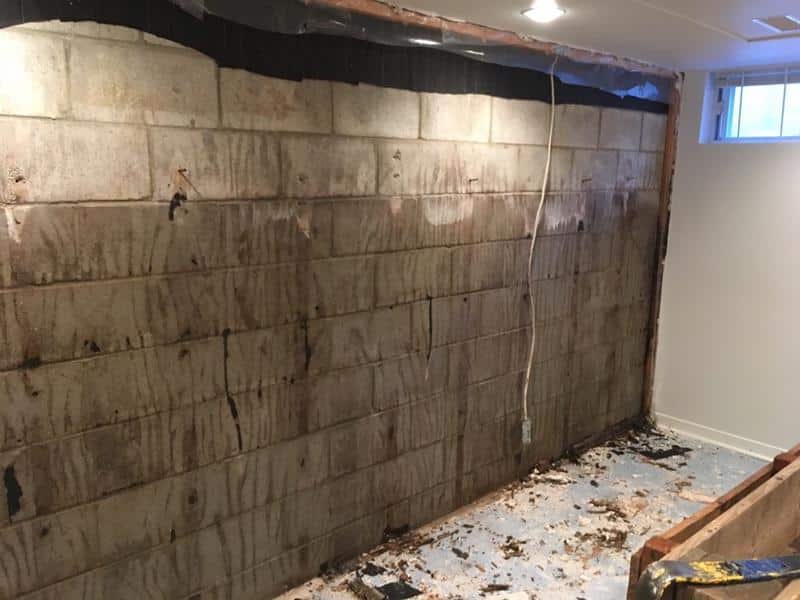
B. Comprehensive Solutions:
Holistic Approach: Professionals take a holistic approach to basement remediation, addressing not only the visible signs of water intrusion but also underlying issues that may contribute to the problem.
Preventive Measures: A professional inspection includes recommendations for preventive measures, ensuring long-term protection against basement leaks.
C. Cost-Effective in the Long Run:
Avoiding DIY Mistakes: DIY attempts may lead to mistakes that could be costly to rectify. Professional interventions, though they may involve an upfront investment, are often more cost-effective in the long run.
Preserving Property Value: Professional basement repairs contribute to the preservation of property value, making the investment worthwhile for homeowners.
Water intrusion in your basement is a call to action—a signal that your home’s foundation is facing potential threats. The urgency of addressing basement leaks cannot be overstated, as the consequences extend beyond aesthetic concerns to the very core of your home’s stability and the well-being of its occupants. Whether caused by surface water runoff, foundation cracks, or poorly sealed windows, water intrusion demands a prompt and professional response.
Professional basement inspections offer a roadmap to remediation, providing a comprehensive assessment of the issues and recommending tailored solutions. From early detection to the prevention of further damage, timely interventions protect your home, personal property, and the health of your loved ones. Recognizing the importance of a healthy basement is an investment in the longevity, safety, and comfort of your entire home. As you address water intrusion issues, you’re not merely safeguarding your basement; you’re fortifying the foundation of your sanctuary.
Contact the Professionals at Toledo Basement Repair Today! (419) 297-6138

Kevin Oberhouse was raised in Toledo with 7 siblings. Dawn and Kevin have four kids.
The Oberhouse family lives in the house Kevin built when with his first crew. Kevin’s parents invited more than 100 foster children into their home throughout his life. Kevin believes this part of his life really helped to build empathy for others.
Kevin has a degree in civil engineering and went on to get an MBA as well as multiple other certifications in structural systems, egress systems, air quality, and commercial and residential roofing, among many others.
Toledo Basement Repairs promises to treat you and your project with respect and our best professional judgment. There is plenty of work out there and Toledo Basement Repair will not push you into a system that you do not fully understand or feel comfortable with.