
You’ve heard the saying, “An ounce of prevention is worth a pound of cure,” right? Well, this couldn’t be truer when it comes to seasonal crawlspace inspections. These routine checks can help you catch minor issues before they turn into major, wallet-draining repairs. Imagine finding a small patch of mold now instead of a full-blown infestation later, or spotting a tiny leak before it becomes a burst pipe. Intrigued? Let’s discuss why these inspections are so vital and when you should be conducting them.
Key Takeaways
- Seasonal crawlspace inspections are crucial due to varying weather conditions affecting the crawlspace’s condition throughout the year.
- Summer inspections focus on mold prevention due to increased humidity, while fall assessments target potential pest infestations.
- Winter inspections aim to prevent pipe freezing and bursting, and spring checks are for flooding risks from melting snow and rains.
- Regular inspections help detect common issues such as moisture problems, pest infestations, and structural damage, preventing costly repairs later.
- Utilizing seasonal maintenance checklists, such as checking for water damage or leaks and assessing insulation, ensures comprehensive crawlspace health.
Understanding Crawlspace Inspections
In the domain of home maintenance, crawlspace inspections may seem like a minor detail. Yet, it’s a task you can’t afford to overlook. It’s not just about the creepy crawlies that might be lurking down there. No, it’s more than that.
Your crawlspace is like the underbelly of your home. It gives direct access to many of your home’s essential systems such as plumbing, electrical wiring and HVAC ducts. Inspecting this space helps you understand the overall health of your home.
So, what does a crawlspace inspection involve? It’s not as intimidating as you might think. An inspector will typically check for signs of water damage, pests, mold and structural damage.
They’ll look at the insulation, vapor barriers, and ventilation systems. They’ll also check for any unusual odors that could indicate a problem.
But don’t worry, you don’t have to tackle this on your own. There are professionals out there who specialize in crawlspace inspections. They’ve got the training, the tools, and the expertise to spot potential problems before they become major headaches.
Importance of Seasonal Inspections
Now that we’ve discussed the basics of crawlspace inspections, let’s take a closer look at why seasonal inspections are so important. You may have a pristine crawlspace in the summer, but come fall, those conditions can change dramatically.
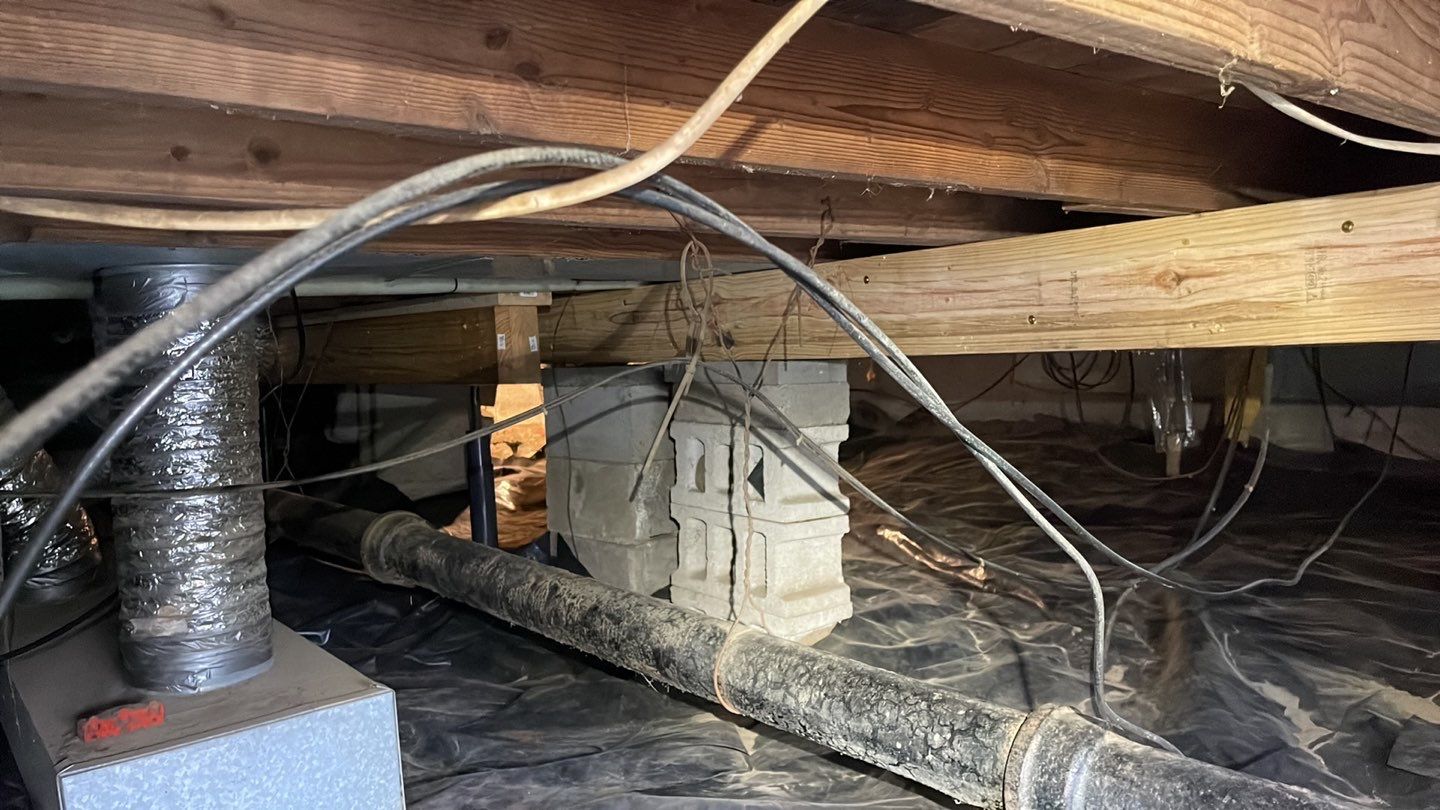 Seasonal inspections are essential in maintaining the health of your home, catching potential problems early before they turn into costly repairs.
You see, each season brings its own set of challenges that can affect your crawlspace. In the summer, you’re battling humidity and the potential for mold growth. Fall might bring pests seeking shelter, and winter can cause pipes to freeze and burst.
Spring, on the other hand, often introduces flooding risks with melting snow and heavy rains.
Regular inspections allow you to address these issues promptly. It’s like your annual medical check-up, catching potential health problems before they become serious. The same goes for your home. It’s the preventative care that keeps your crawlspace – and by extension, your home – in top shape.
Potential Crawlspace Issues
You may wonder what could go wrong in your crawlspace.
Let’s look at some common issues that could arise if regular inspections aren’t carried out.
But don’t worry, we’ll also give you some handy tips on prevention and maintenance.
Identifying Common Crawlspace Problems
Peek beneath your house and the common crawlspace problems might just leap out at you.
You’ll find that these issues often lurk unnoticed until they’ve escalated, causing costly damage.
To help you identify these problems early, here’s a quick list:
- Moisture: If you’re noticing dampness, pooling water, or a musty smell, you’ve got a moisture issue. This can lead to mold growth and rotting wood, compromising your home’s structure.
- Insulation problems: Insulation in your crawlspace should be dry and intact. Sagging or wet insulation is a sign of trouble.
- Pest Infestation: Look out for signs of pests. Rodent droppings, insect wings, or chewed wires indicate you’re not the only one living in your house.
- Structural Damage: Cracks in the foundation, rotting wood, or sagging floors above the crawlspace are signs of structural damage.
Don’t ignore these signs; they’re your early warning system.
If you spot them, seek professional help.
Remember, it’s easier and cheaper to fix a small problem today than deal with a major repair tomorrow.
Importance of Regular Inspections
Why risk serious damage when regular crawlspace inspections can save time, money, and peace of mind? Ignoring your crawlspace is like playing roulette with your home’s health. You never know when issues will crop up, but when they do, they can be costly.
Regular inspections are the key to catching problems early. They let you spot signs of moisture, mold, pests, and structural issues before they become significant problems. You’ll save money in the long run because you’ll avoid extensive repairs. Plus, you’ll enjoy the peace of mind that comes from knowing your home is in good shape.
Think about it: When you maintain your car, you don’t just wait for the engine to blow up before taking it to the mechanic, right? You get regular oil changes, inspect the tires, and listen for strange noises.
The same principle applies to your home. Regular crawlspace inspections are like a check-up for your house, ensuring everything is functioning as it should.
Prevention and Maintenance Tips
Armed with the knowledge of why regular inspections are essential, let’s move on to some preventive measures and maintenance tips to avoid potential crawlspace issues.
Remember, prevention is always better than cure, and a little effort now can save you from big headaches down the line.
- Keep It Dry: Moisture is the enemy of any crawlspace. Install a proper vapor barrier and guarantee good ventilation to help keep the area dry.
- Inspect Regularly: Don’t just inspect seasonally. Make it a habit to check your crawlspace more frequently for any signs of moisture, pests, or structural issues.
- Pest Control: Few things can damage a crawlspace faster than pests. Regular pest control is a must to keep termites, mice, and other pests at bay.
- Professional Help: When in doubt, call in the professionals. If you notice anything unusual or are unsure about something, it’s always best to get a professional opinion.
Optimal Inspection Times
Let’s now consider when it’s best to inspect your crawlspace.
The timing of your inspections can greatly influence what you find and how effective your preventative measures are.
We’ll examine the benefits of seasonal inspections and why they might be the best strategy for you.
Importance of Timing
Understanding the importance of timing when scheduling your crawlspace inspections can greatly enhance the effectiveness of these evaluations. The right timing can guarantee you’re not missing any potential problems that could have been spotted earlier or later in the season.
Here are four reasons why timing matters:
- Seasonal Changes: Different seasons can reveal different issues. For example, inspections during the rainy season can help identify water intrusion issues that wouldn’t be evident during the dry periods.
- Pest Activity: Certain pests are more active during specific times of the year. Spotting them during these periods can prevent an infestation from getting out of control.
- Preventative Maintenance: Timely inspections allow you to catch minor issues before they become major problems, saving you time and money.
- Weather Conditions: Certain weather conditions can make the inspection process easier or more challenging. Scheduling your inspection for a time when conditions are most favorable can guarantee a thorough, effective evaluation.
Seasonal Inspection Benefits
Planning your crawlspace inspections with the seasons can yield significant benefits. By scheduling inspections at prime times, you’ll catch issues early and save money in the long run. Let’s break it down by season.
| Season | Prime Inspection Time | Benefit |
|---|---|---|
| Spring | Early in the Season | After winter, you can spot water damage or leaks due to snow melt. |
| Summer | Mid-Season | Hot, humid conditions may cause mold growth, which you’ll catch before it spreads. |
| Fall | Late in the Season | Before winter sets in, you’ll see if the crawlspace is properly insulated and sealed. |
Spring inspections guarantee your crawlspace hasn’t sustained winter damage. In summer, you’ll spot any mold growth early on, preventing it from spreading and causing expensive damage. Fall inspections allow you to prepare for the cold months ahead, ensuring your crawlspace is well-insulated and sealed to prevent heat loss and protect your pipes from freezing.
Spring Crawlspace Check-up
As spring blossoms, it’s the perfect time to give your crawlspace a thorough check-up. The winter months can be hard on your home, and your crawlspace isn’t exempt from possible damage.
Here’s a checklist to guide your inspection:
- Inspect for Water Damage: Look for signs of water leakage or pooling. The thawing snow can create moisture problems, so verify that your sump pump or dehumidifier is functioning correctly.
- Look for Pests: Critters might’ve chosen your crawlspace as a winter retreat. Look for droppings, gnawed wires, or nesting materials as signs of unwanted guests.
- Check Insulation: The insulation should still be intact after winter. If it’s sagging or missing, you’ll need to replace it to maintain energy efficiency.
- Assess Structural Integrity: Examine for cracks in the foundation walls and floor. The freezing and thawing cycle of winter can exacerbate existing flaws.
Winter Crawlspace Maintenance
Moving from spring into the colder months, it’s important not to neglect your crawlspace – winter maintenance is key. As temperatures drop, your crawlspace becomes vulnerable to a slew of issues, including freezing pipes, pest infestations, and moisture build-up, which can lead to mold growth.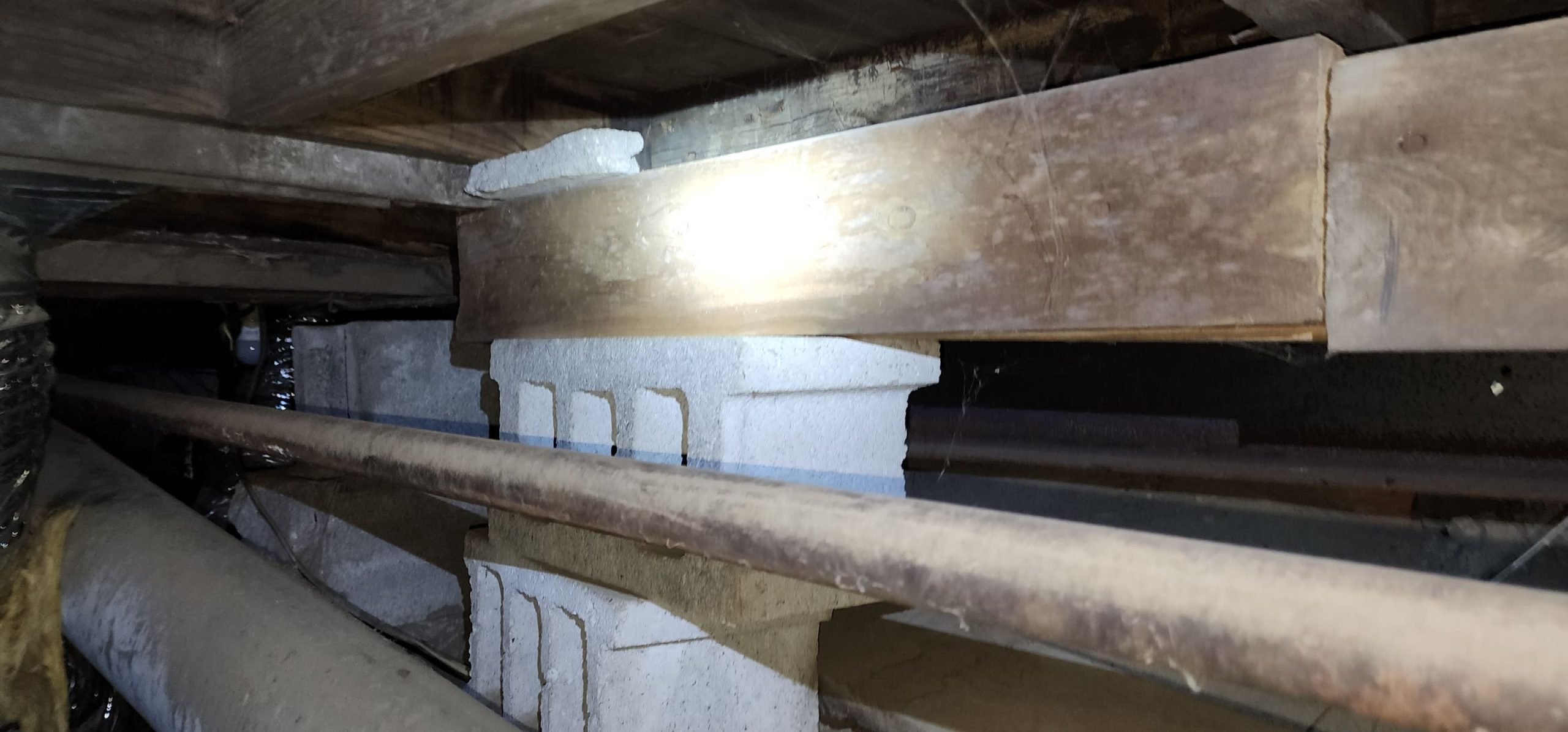
Start your winter maintenance by checking for any signs of water damage or leaks. If you’ve got insulation, make sure it’s still in good shape. It’s your first line of defense against the cold.
Don’t forget to inspect your vapor barrier too. It’s essential in preventing moisture from accumulating in your crawlspace.
Next, look out for signs of pests. Critters like rats, mice, and insects often seek shelter in crawlspaces during winter. If you see droppings or gnaw marks, it’s time to call pest control.
Finally, check your crawlspace vents. While these are great for ventilation in warmer months, they can let in cold air during winter.
Consider investing in vent covers to keep the chill out.
Hiring a Professional Inspector
Sometimes, despite your best efforts, maintaining a crawlspace can become too overwhelming for one person. When this happens, it’s time to contemplate hiring a professional inspector.
Here’s why:
- Experience: Professional inspectors have the expertise to spot problems you might miss. They know exactly what to look for and can provide a thorough assessment of your crawlspace’s health.
- Time-saving: Inspecting a crawlspace can be time-consuming, especially if you’re not sure what to look for. A professional can do the job quickly and efficiently, freeing up your time for other things.
- Preventive measures: Inspectors can identify potential issues before they become major problems. This proactive approach can save you from costly repairs down the line.
- Peace of mind: Knowing that a professional has inspected your crawlspace and found it in good condition can give you peace of mind. You won’t have to worry about hidden issues causing problems in the future.
So, you see, seasonal crawlspace inspections are critical for your home’s health. They help you spot potential issues like moisture, pests, and structural damage early on. Don’t wait for a problem to escalate. Conduct checks every spring, summer, fall, and winter. Remember, it’s not just about saving money on repairs, but also ensuring a safe living environment. If you’re unsure, hire a professional inspector. They’ll know exactly what to look for.

Kevin Oberhouse was raised in Toledo with 7 siblings. Dawn and Kevin have four kids.
The Oberhouse family lives in the house Kevin built when with his first crew. Kevin’s parents invited more than 100 foster children into their home throughout his life. Kevin believes this part of his life really helped to build empathy for others.
Kevin has a degree in civil engineering and went on to get an MBA as well as multiple other certifications in structural systems, egress systems, air quality, and commercial and residential roofing, among many others.
Toledo Basement Repairs promises to treat you and your project with respect and our best professional judgment. There is plenty of work out there and Toledo Basement Repair will not push you into a system that you do not fully understand or feel comfortable with.