
When it comes to maintaining the structural integrity of your home, you can’t afford to overlook the importance of starting from the ground up. You’re likely aware of the need for regular roof and wall maintenance, but have you ever thought about the soil your house sits on or the condition of your foundation? These can significantly impact your home’s stability and longevity. Stay tuned, as we’ll soon explore ways to ensure your home stands strong for years to come.
Key Takeaways
- Regularly conduct soil testing to assess its composition and stability, vital for the home’s foundation.
- Monitor your home for visible cracks, high humidity, and soil erosion to detect any foundation issues early.
- Ensure regular maintenance of walls, including insulation and moisture barriers, to prevent structural damage.
- Carry out routine roof inspections and weatherproof your home to protect against the elements and water damage.
- Implement effective pest management and prevention strategies to avoid potential structural harm.
Understanding Home Foundations
While the aesthetics of a home often draw attention, it’s the foundation that truly matters. It’s a pivotal part of your house’s structure, supporting the whole load of your home. Understanding different foundation types is crucial, as each one has distinct characteristics that influence how they distribute loads.
The most common foundation types are slab, crawl space, and basement foundations. Slab foundations, as you’d guess, involve a single layer of concrete poured onto the ground. They’re cost-effective and straightforward, but offer no space for utilities beneath your home.
Crawl space foundations raise your home a few feet off the ground, providing room for utilities. They distribute load via pillars that support the structure and are particularly suited to damp climates or sloping sites.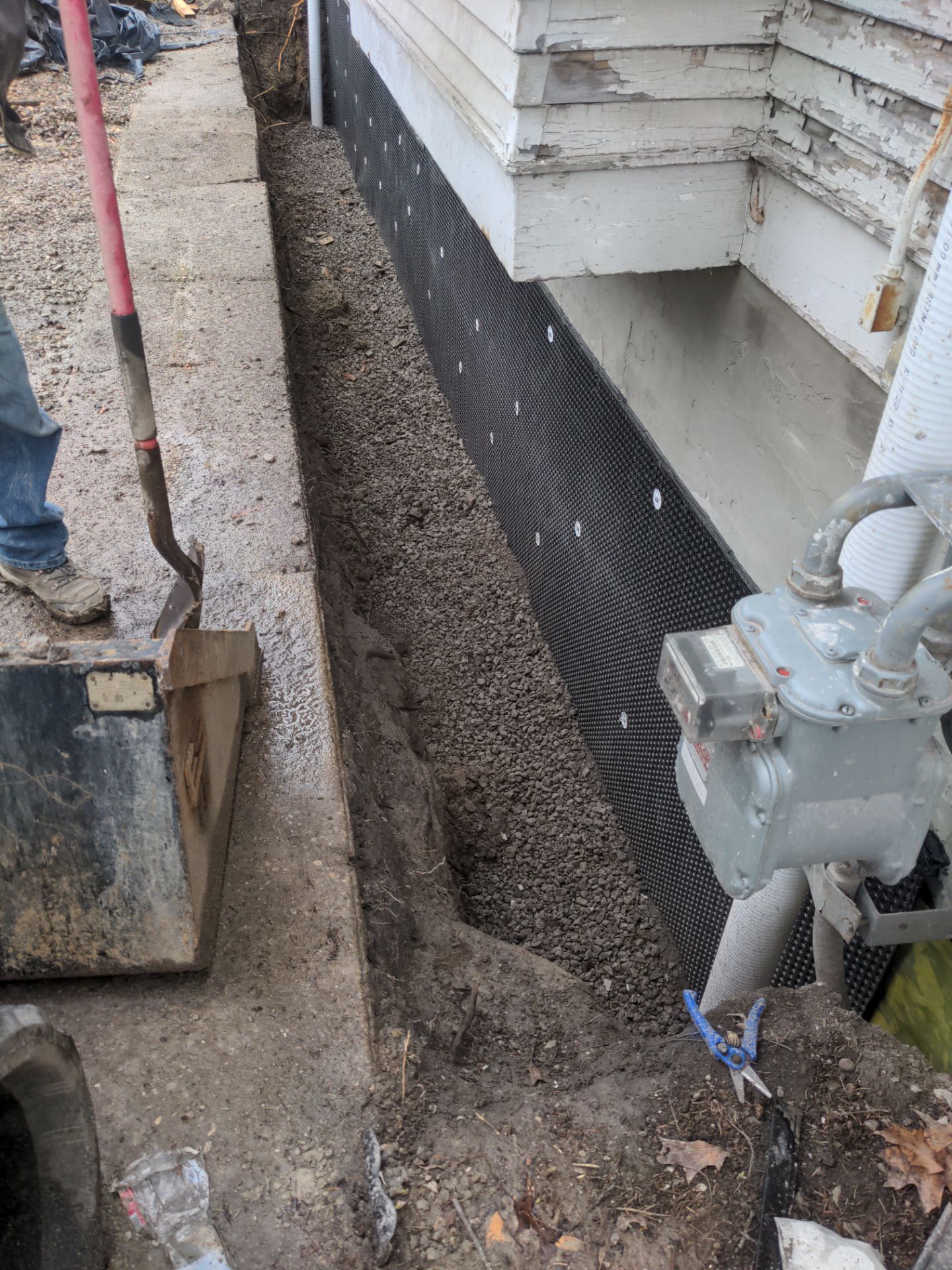
Basement foundations, on the other hand, offer extra living space while also serving as a strong foundation. They distribute the load of the structure to the surrounding soil, providing stability in a variety of soil conditions.
Understanding these foundations and their load distribution capabilities will help you make an informed decision about your home’s construction or renovation.
Importance of Soil Testing
You’ll find soil testing crucial in protecting your home’s structure.
It’s not just about understanding the soil composition, but also benefiting from a comprehensive soil analysis.
Understanding Soil Composition
Soil, that humble blanket of earth beneath your feet, plays a pivotal role in your home’s structural integrity. Understanding soil composition is essential to ensure stability and longevity.
There are various soil types, each with different characteristics. Sand, silt, clay and loam, for example, have varying levels of soil stability and soil permeability. Clay soil, while stable, has low permeability and can lead to poor soil drainage. On the other hand, sandy soil, though permeable, may lack soil stability, leading to soil erosion.
Soil compaction, or the denseness of the soil, impacts its ability to absorb and retain water, affecting soil moisture. Soil fertility, which refers to the soil’s ability to support plant growth, is vital for maintaining a healthy lawn or garden.
Soil layering is another critical factor to consider. Different layers have varying properties, and understanding these can help manage issues like soil erosion and drainage.
To gain a comprehensive understanding of your soil’s composition and conditions, soil testing is crucial. It provides information about the nutrient content, pH level, and other critical indicators.
Understanding your soil’s composition from the get-go can save you significant time, money, and effort down the line.
Benefits of Soil Analysis
Diving into the benefits of soil analysis, it’s important to realize that this scientific procedure is your best ally in protecting your home’s structure and maintaining a healthy garden. It’s a comprehensive method to assess soil health, nutrient balance, and potential hazards like soil acidity or harmful elements that could affect both your property’s foundation and your garden’s vitality.
This detailed table below highlights the key benefits of soil analysis:
| Benefit | Description |
|---|---|
| Foundation Stability | Soil analysis can identify potential threats to your home’s structure, including clay heave, shrinkage, or soil liquefaction. |
| Plant Health | Soil testing ensures the best nutrient balance for your plants, preventing deficiencies and excesses. |
| Environmental Protection | By avoiding over-fertilization, you protect groundwater from nutrient pollution. |
| Cost-Effective | Proper soil management saves you money on unnecessary fertilizers and costly landscaping issues. |
| Unforeseen Issues | Soil analysis can help identify hidden problems such as heavy metal contamination. |
Detecting Foundation Issues
Detecting foundation issues in your home requires a keen eye for detail.
Pay close attention to visible cracks, which could suggest structural weakness.
Understand soil-related problems and be on the lookout for moisture and mold presence, as these are often indicators of deeper foundation issues.
Identifying Visible Cracks
When it comes to safeguarding your home’s structure, one of the first steps is identifying visible cracks that may indicate foundational issues. These cracks can appear in various places—on the walls, floors, or even outside on the bricks or concrete.
Crack types can vary greatly. They can be hairline cracks, less than 1/16 inch wide, or they could be larger, gaping fissures. Small, thin cracks often point to normal settling, while wider cracks may indicate more serious structural damage.
Not all cracks are cause for alarm, but you shouldn’t ignore them. It’s vital to monitor any changes in their width or length. If you notice a crack is growing, it’s time to seek professional help.
Repair methods differ based on the type and severity of the crack. For minor cracks, a simple sealant or masonry repair compound can be used.
For larger, more serious cracks, you may require a structural engineer’s input. This professional can assess the situation and provide a solution, which could involve underpinning or installing piers to stabilize your home’s foundation.
Understanding Soil-Related Problems
Countless homeowners experience soil-related problems that can cause significant damage to their home’s foundation. Two common issues are soil erosion and soil compaction, both of which you need to understand and monitor.
Soil erosion is the process where soil particles are carried away by water or wind. This often happens when the ground around your home isn’t properly graded, allowing water to flow towards the foundation. Over time, this leads to a loss of soil, creating gaps where your foundation may settle unevenly.
It’s crucial to regularly check your home’s perimeter for signs of soil erosion, such as exposed roots or uneven ground.
On the other hand, soil compaction occurs when soil particles are pressed together, reducing the space between them. This can result from heavy machinery during construction or even high foot traffic.
Compacted soil doesn’t absorb water well, causing runoff that can pool around your foundation and increase pressure on it. If you notice water pooling or your soil feels hard and dry, soil compaction could be the culprit.
Understanding these soil-related problems is key in detecting and preventing foundation issues. Prevention is always better than cure, especially when it comes to your home’s structural integrity.
Moisture and Mold Presence
If you’ve turned a blind eye to moisture and mold in your home, it’s high time to take them seriously. Moisture control and mold prevention aren’t just about maintaining a healthy living environment; they’re crucial for safeguarding your home’s structural integrity.
High humidity levels can saturate your home’s foundation, causing significant damage over time. Hence, maintaining adequate ventilation systems is essential. They facilitate air circulation, reducing humidity, and preventing mold growth. Also, consider using dehumidifiers, especially in damp areas like basements.
Effective water drainage systems around your property can prevent water accumulation, which is a leading cause of moisture problems. Insulation techniques and surface sealing can also help keep moisture at bay.
Let’s look at some solutions in the table below:
| Problem | Solution |
|---|---|
| High Humidity Levels | Ventilation Systems, Dehumidifier Use |
| Poor Water Drainage | Enhanced Water Drainage Systems |
| Insufficient Insulation | Improved Insulation Techniques |
| Surface Moisture | Surface Sealing |
| Mold in Basement | Basement Waterproofing |
Preventive Measures for Walls
Assessing your walls regularly can save you from potential structural damage in the long run. Protective measures for your walls not only ensure the longevity of your home but also create a healthy, safe environment for your family.
Start with wall insulation, which is critical for maintaining the desired temperature and blocking external elements. It’s not just about comfort, but it also reduces energy consumption.
Insulation offers a buffer against temperature fluctuations and prevents condensation, which could lead to dampness and mold growth.
Next, consider moisture barriers. They’re essential in preventing water intrusion, thus reducing the risk of structural damage. These barriers, when installed correctly, direct water away from your walls, preserving their integrity.
However, these preventive measures aren’t a one-time job. Regular inspections are crucial as insulation can degrade and moisture barriers can fail over time.
Look for signs of crumbling or compacted insulation and gaps or tears in the moisture barrier.
Roof Maintenance Essentials
Moving on from the walls, let’s turn our attention upwards to the roof. Regular roof inspections are vital in identifying potential problems. Early detection of shingle repairs, drainage systems issues and attic ventilation problems can prevent costly roof replacement down the line.
Here’s a breakdown of important tasks:
| Task | Description |
|---|---|
| Roof Inspections | Check for storm damage, missing shingles, and ventilation issues. |
| Shingle Repairs | Damaged shingles can allow water to seep into the roof structure. |
| Drainage Systems | Regular gutter cleaning prevents water backup and damage. |
| Attic Ventilation | Proper ventilation prevents heat and moisture buildup. |
| Insulation Upgrades | Good insulation keeps your home warm in winter and cool in summer. |
Take a closer look at roofing materials when considering a replacement. Some materials are more durable or energy-efficient than others. Always keep an eye out for signs of roof damage, especially after severe weather. Remember, when it comes to your home’s structure, prevention is better than cure. Proper roof maintenance is more than just a task; it’s an investment in your home’s future.
Weatherproofing Your Home
Shielding your home from harsh weather conditions is a crucial step in ensuring its longevity. Weatherproofing involves a series of measures, from rain barriers and insulation materials to sealant applications and exterior coatings.
- Exterior Coatings and Sealant Applications: These serve as the first line of defense against weather elements. Exterior coatings protect your home’s structure, while sealants prevent water intrusion.
- Moisture Barriers and Drainage Systems: Moisture barriers restrict water penetration into the structure. Paired with efficient drainage systems, they contribute to effective flood prevention.
- Insulation Materials and Ventilation Strategies: Insulation materials provide thermal breaks, reducing heat transfer and maintaining temperature stability inside your home.
Ventilation strategies, on the other hand, ensure fresh air circulation, preventing the buildup of moisture and condensation.
Incorporating weather-resistant designs in your home’s structure further enhances its resistance to weather changes.
Remember, your efforts in weatherproofing shouldn’t be focused only on preventing immediate damage, but also in ensuring the long-term health of your home’s structure.
Be it rain, snow or heat, your home should stand tall, providing you with comfort and safety.
Dealing With Pest Infestations
In the battle against time and elements, don’t overlook the small but significant threats – pests. These unwanted guests, if left unchecked, can cause substantial structural damage to your home. Pest control is crucial, not just for your comfort, but also for the integrity of your home’s structure.
Infestation prevention is your first line of defense. This involves setting up insect barriers and wildlife exclusion techniques to deter pests from settling in. These can range from chemically treated soils to sealants that block off entry points.
Termite treatment is particularly critical, given these creatures’ destructive nature. A thorough inspection and treatment plan can save your home from the destruction that termites bring.
Rodent management, though often overlooked, is another essential aspect. Rats and mice can chew through wires, wood, and even concrete, causing significant issues if not addressed promptly.
Lastly, pest monitoring is key to maintaining a pest-free home. Regular checks ensure early detection and treatment of any potential infestations, preventing them from spiraling out of control.
Regular Structural Inspections
While keeping pests at bay is vital, another key component to protect your home’s structure is engaging in regular structural inspections.
These aren’t just a one-time affair; they need to be a part of your home’s ongoing care, like foundation maintenance.
Inspection frequency varies depending on your home’s age and condition, but as a rule of thumb, consider an inspection every 3-5 years.
If you live in an older home or an area prone to natural disasters, more frequent inspections could be beneficial.
Here are three key aspects of a structural inspection:
- Foundation Examination: This involves checking for cracks, moisture, and other signs of damage. Maintaining your foundation is crucial in preventing structural issues.
- Roof and Attic Inspection: Inspectors will look for leaks, poor ventilation, or structural damage that could lead to costly repairs if not addressed promptly.
- Interior and Exterior Wall Checks: This includes looking for signs of decay, damage from pests, or other issues that could compromise your home’s structure.
Hiring a Structural Engineer
Navigating the process of hiring a structural engineer might seem daunting, particularly if you’ve never done it before. But understanding the importance of this professional’s role can help ease your concerns.
A structural engineer’s expertise lies in understanding, predicting, and calculating the stability, strength, and rigidity of built structures. This can include buildings or non-building structures, and any designs they create must also integrate the design of other disciplines such as HVAC and plumbing.
In hiring, you should start by verifying engineering certifications. These are essential as they validate the engineer’s educational background and professional experience. The more certifications, the higher the assurance of quality work.
You’ll also want to ask about their experience with structural design, particularly in regards to homes similar to yours. It’s also important to get a sense of their communication style. A good engineer will be able to explain complex issues in a way that you can understand.
Lastly, don’t forget to ask for references and review their portfolio. By taking the time to carefully select a structural engineer, you’re investing in the safety and longevity of your home.
Frequently Asked Questions
What Insurance Options Are Available for Structural Damage to My Home?
You’ve got several insurance options for structural damage to your home.
Structural insurance is key, as it covers the cost of repairs after a damage assessment. This can include damages from natural disasters or accidents.
It’s important to review your policy’s specifics, as coverage can vary. Additionally, consider supplemental policies for risks not covered by your main policy.
Always consult with an insurance professional to ensure you’re adequately protected.
How Often Should I Replace My Homes Gutters and Downspouts?
You should inspect your gutters and downspouts annually for signs of wear.
Typically, gutters last about 20-30 years, but factors like climate and maintenance can affect their lifespan. If you notice consistent leaks or damage, it’s time to replace them.
Regular gutter maintenance and proper downspout installation are crucial to prevent water damage to your home’s foundation.
What Are the Best Materials for Home Construction to Ensure Durability?
When choosing materials for home construction, you’ll want to prioritize durability.
Consider sustainable materials like recycled steel and bamboo. They’re not only eco-friendly, but also robust.
Opt for materials with high moisture and fire resistance. Don’t forget about energy efficiency and sound insulation.
Lastly, always keep cost considerations in mind. It’s possible to find durable materials that won’t break the bank.
With careful selection, you can ensure your home is built to last.
How Does Landscaping Affect My Homes Structural Integrity?
Your home’s structural integrity is directly affected by your landscaping choices.
Proper landscape drainage is key. If you’re not careful, water can pool around your foundation, causing damage over time.
Additionally, certain plants can lead to soil erosion, which can destabilize your home’s foundation.
So, it’s crucial to think about the impact of your landscaping, not just aesthetically, but also structurally.
Choose plants and drainage systems that’ll protect your home’s structure.
Are There Any Specific Structural Concerns for Homes in Earthquake-Prone Areas?
Yes, homes in earthquake-prone areas need special attention.
It’s crucial to focus on earthquake preparedness. You’ll need to consider foundation reinforcement and possibly seismic retrofitting.
Regular structural assessments are also important to ensure your home’s integrity.
Houses built on slopes or unstable soil have additional risks.
It’s not just about landscaping, but also about the ground your home sits on and how it’s built to withstand earthquakes.
In sum, ensuring your home’s stability is a multifaceted task. Understanding your foundation, testing your soil, and spotting early signs of damage are crucial. Don’t overlook preventive measures for walls, roof maintenance, and weatherproofing. Tackle pests promptly and schedule regular inspections. If in doubt, hire a structural engineer. By staying vigilant, you can safeguard your home’s structure from the ground up, ensuring long-term resilience and peace of mind.

Kevin Oberhouse was raised in Toledo with 7 siblings. Dawn and Kevin have four kids.
The Oberhouse family lives in the house Kevin built when with his first crew. Kevin’s parents invited more than 100 foster children into their home throughout his life. Kevin believes this part of his life really helped to build empathy for others.
Kevin has a degree in civil engineering and went on to get an MBA as well as multiple other certifications in structural systems, egress systems, air quality, and commercial and residential roofing, among many others.
Toledo Basement Repairs promises to treat you and your project with respect and our best professional judgment. There is plenty of work out there and Toledo Basement Repair will not push you into a system that you do not fully understand or feel comfortable with.