
When it comes to safeguarding your home from water damage, you’re faced with an essential decision: should you opt for interior or exterior basement waterproofing? Each method has its merits and drawbacks, with exterior waterproofing offering a robust barrier against water intrusion while interior waterproofing handles minor seepage and humidity more cost-effectively. However, the best choice isn’t always clear-cut—it largely hinges on your specific situation, budget, and property type. So, how do you make the right call? Join us as we unpack this complex issue.
Key Takeaways
- Interior waterproofing is less invasive, quicker, and more cost-effective than exterior methods, making it ideal for minor seepage issues.
- Exterior waterproofing, though more costly and disruptive, is best for severe water intrusion problems, as it directly targets water before entering the home.
- Despite its effectiveness, exterior waterproofing’s high costs, landscape disruption, and long project timelines may limit its suitability for some homeowners.
- Interior waterproofing may not effectively address severe moisture problems and can lead to mold growth due to high humidity.
- A professional assessment is crucial for understanding the severity of water issues and choosing the most effective method tailored to specific needs.
Understanding Basement Waterproofing
Over time, your basement can become a victim to water damage if not properly protected. This can lead to a myriad of problems, such as mold growth, structural damage, and a decrease in your property’s value. Understanding basement waterproofing is key to preventing these issues.
There are two main types of waterproofing: exterior and interior.
Exterior waterproofing involves excavating around the home’s foundation and applying a waterproof coating or membrane to the outside of the basement walls. This method is considered more effective as it stops water at its source. However, it’s also more costly and disruptive since it involves heavy machinery and potentially removing landscaping features.
Interior waterproofing, on the other hand, manages water that has already entered your basement. This is typically accomplished through sealants, drainage systems, and sump pumps. It’s less intrusive and more cost-effective, but it’s not always sufficient to tackle serious moisture problems.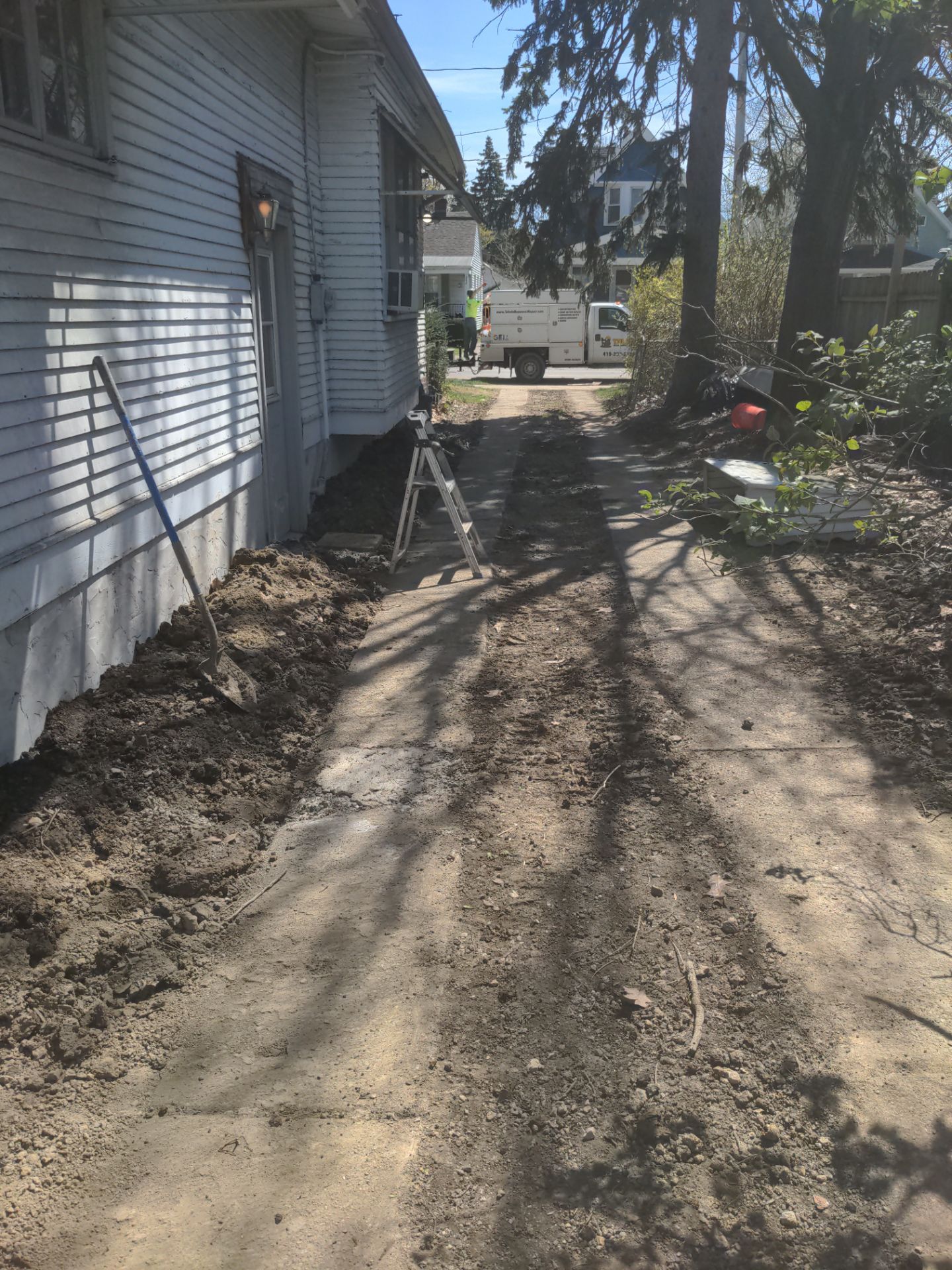
In the end, the best waterproofing method for your basement depends on several factors, including the severity of the water problem, your budget, and the specific construction of your home.
Don’t forget, understanding the basics of interior waterproofing is the next step to make an informed decision.
The Basics of Interior Waterproofing
When it comes to interior waterproofing, understanding the basic principles is essential for homeowners like you. This method primarily tackles water issues from the inside of your basement, making it a popular choice for existing homes.
Now, you might be wondering how this process works. It starts with the installation of a drainage system beneath your basement floor. This system collects water that seeps in and redirects it out of your home, preventing accumulation and damage.
Adding a sump pump is also a critical part of interior waterproofing. It’s this device that physically removes the water collected by the drainage system, pumping it away from your home.
Waterproof coatings and sealants are other key components. They’re applied to your basement walls and floor, forming a water-resistant barrier that helps keep moisture out.
Advantages of Interior Waterproofing
Now that you have a basic grasp of interior waterproofing, let’s explore why it’s a beneficial choice. One of the major advantages of interior waterproofing is its cost-effectiveness. Compared to exterior solutions, interior methods are often more affordable and less intrusive.
Another selling point is its efficiency. It targets the problem at its source, which is usually inside the basement. This makes it highly effective at dealing with condensation, humidity, and minor leaks.
Last but certainly not least, interior waterproofing is generally less destructive to your home’s exterior. There’s no need for heavy machinery or extensive excavation, so your landscape remains unscathed.
| Advantage | Explanation | Why It Matters |
|---|---|---|
| Cost-effectiveness | Less expensive than exterior methods | Saves you money |
| Efficiency | Targets the problem at its source | Effectively deals with condensation, humidity, leaks |
| Less destructive | No need for heavy machinery or extensive excavation | Preserves your landscape |
Disadvantages of Interior Waterproofing
While interior waterproofing has its benefits, there are a few drawbacks you should also consider.
It’s important to be aware of these potential issues before making a decision.
- Limited Defense: Interior waterproofing can’t protect against external water pressure.
It’s more of a damage control measure, dealing with water after it’s entered your basement rather than stopping it at the source.
- Moisture Problems: Although it can prevent visible water leaks, it doesn’t always handle moisture well.
High humidity can still be a problem, leading to mold and mildew growth.
- Disruption: The installation process can be disruptive.
You’ll likely need to move any items stored in your basement, and it can be a messy process.
- Not a DIY Project: While some home improvement tasks are suitable for the do-it-yourselfer, interior waterproofing isn’t one of them.
It usually requires professional installation, which means additional costs.
An Overview of Exterior Waterproofing
Now, let’s shift our focus to exterior waterproofing.
You’ll get a clear understanding of what it is, its benefits, and potential drawbacks.
It’s important to know all these aspects before making any decisions about waterproofing your basement.
Understanding Exterior Waterproofing
You may have heard of exterior waterproofing, but aren’t quite sure what it involves.
Let’s explore and clarify this for you.
Exterior waterproofing, often referred to as positive side waterproofing, is a process that aims to stop water from getting into your basement from the outside.
Here’s a simple breakdown for you:
- Excavation: The first step involves digging down to the foundation of your home. It can be a major operation, often requiring heavy machinery.
- Cleaning and Inspection: Once the foundation is exposed, it’s cleaned and inspected for cracks or holes. These are the entry points for water.
- Repair and Seal: Any identified issues are repaired, and then a waterproof coating is applied to the exterior wall. This creates a physical barrier against water.
- Drainage: Finally, a drainage system is installed to direct any water away from the foundation.
Exterior Waterproofing Benefits
With exterior waterproofing, the benefits are both immediate and long-term. You’ll notice the difference right away. Your basement becomes a dry, usable space, free from the musty smell of dampness. This is because exterior waterproofing targets water before it can penetrate your home, forming an effective barrier against moisture intrusion. You can say goodbye to unsightly water stains and the worry of structural damage caused by water seepage.
Beyond the immediate benefits, the long-term gains can’t be overstated. Exterior waterproofing prolongs the lifespan of your property by preventing water damage to the foundation. You’re not only protecting your home, but also increasing its value. Potential buyers will appreciate the foresight of a well-maintained, waterproofed basement.
Moreover, exterior waterproofing reduces the risk of mold and mildew growth, protecting the health of your family. These fungi thrive in damp conditions and can cause respiratory problems if left unchecked.
All these benefits save you money in the long run, as you’ll avoid costly repairs and health issues.
Potential Waterproofing Drawbacks
Despite the numerous benefits of exterior waterproofing, it’s important to contemplate potential drawbacks before diving into this home improvement project.
It’s not always a bed of roses, and you should be aware of what you’re getting into.
- Cost: Exterior waterproofing often comes with a hefty price tag. Depending on the size of your home and the complexity of the job, it can be quite a financial commitment.
- Landscape disruption: The process involves excavation around your home, which can disrupt your yard or garden. If you’re proud of your green space, this might be a significant downside.
- Time-consuming: Unlike interior waterproofing, which can often be done in a day or two, exterior waterproofing can take much longer. You may need to prepare for a week or more of work, depending on the conditions.
- Weather-dependent: Exterior waterproofing is subject to weather conditions. Rain, snow, or even extreme heat can delay the project, causing inconvenience.
Benefits of Exterior Waterproofing
You’re about to uncover the major benefits of exterior waterproofing.
To begin with, it’s a powerful way to prevent structural damage to your home.
In addition, it considerably reduces the risk of mold growth, saving you from potential health hazards.
Preventing Structural Damage
It’s no secret that a well-maintained home is a happy home.
Now, let’s shift our focus to an essential aspect of home maintenance—preventing structural damage through exterior waterproofing.
Water damage isn’t just unsightly; it can also threaten the structural integrity of your home. When water seeps into your basement, it can gradually erode the foundation, leading to potential catastrophic failure.
But how can you prevent this? Exterior waterproofing is your answer.
- Resistant Barrier: By applying a waterproof barrier around the exterior of your basement, you’re creating a protective shield against moisture. This barrier prevents water from penetrating your foundation walls.
- Drainage System: A well-installed drainage system directs water away from your home, reducing hydrostatic pressure on your foundation walls.
- Insulation: Exterior waterproofing also provides added insulation, enhancing your home’s energy efficiency.
- Increase Property Value: By preventing structural damage, you’re not just ensuring your safety but also boosting your property value.
In essence, investing in exterior waterproofing is investing in your home’s future.
Reducing Mold Growth
An alarming number of homes fall prey to mold growth due to unchecked moisture in the basement. This silent destroyer not only damages the aesthetic appeal of your living space but can also pose serious health risks.
Unlike interior waterproofing methods, exterior waterproofing is particularly effective at reducing mold growth.
You’re probably wondering, “How does it work?” Well, exterior waterproofing forms a barrier on the outside of your home’s foundations. It prevents water from seeping into the walls and subsequently into your basement.
It’s a proactive approach that nips the problem in the bud, preventing moisture accumulation and the subsequent growth of mold.
By opting for exterior waterproofing, you’ll be creating a healthier living environment. Mold spores can cause a range of health problems, including allergies, asthma, and other respiratory issues.
Drawbacks of Exterior Waterproofing
While exterior waterproofing may seem like the ultimate solution for keeping your basement dry, there are certain drawbacks to take into account.
First and foremost, the cost can be a substantial hurdle. Exterior waterproofing is typically more expensive than its interior counterpart, partly due to the extensive excavation required.
Also, exterior waterproofing often demands more material and labor, adding to the overall cost.
Secondly, you should remember that the process can be disruptive. Excavating around your home might mean uprooting plants, digging up lawns, and even dismantling patios.
The third drawback is the time factor. Exterior waterproofing isn’t a quick fix; it can take weeks or even months to complete, depending on the size and condition of your property.
Lastly, consider that exterior waterproofing isn’t always a feasible option. If your house is located close to neighboring properties, there mightn’t be enough room for the necessary machinery to carry out the excavation.
Before you decide, weigh these factors against the potential benefits.
Deciding Between Interior and Exterior Waterproofing
Having considered the drawbacks of exterior waterproofing, you might now be wondering how to choose between interior and exterior methods. It boils down to your specific situation.
For homes with severe water intrusion, exterior waterproofing may be the more effective solution. It’s a thorough approach that stops water at its source, keeping your basement dry and maintaining the structural integrity of your house. However, it’s costly, time-consuming, and involves significant disruption to your landscape.
On the other hand, if your problem is humidity or minor seepage, interior waterproofing could be the better choice. It’s less invasive, more affordable, and typically quicker to install. However, it doesn’t stop water from entering your walls—it only manages it once it’s inside.
The key is to get a professional assessment of your home. Every situation is different, and what’s best for one home mightn’t be best for another.
Don’t rush into a decision because of cost alone. Consider the long-term benefits and potential risks. After all, it’s about protecting one of your most valuable investments—your home.
Deciding between interior and exterior basement waterproofing isn’t easy. It boils down to your specific water issues, budget, and home’s unique makeup. Interior waterproofing is less invasive and more cost-effective, perfect for minor issues. Meanwhile, exterior waterproofing is ideal for more severe water intrusion. In the end, it’s best to get a professional assessment to determine the best solution for your home. Remember, it’s about safeguarding your investment and peace of mind.

Kevin Oberhouse was raised in Toledo with 7 siblings. Dawn and Kevin have four kids.
The Oberhouse family lives in the house Kevin built when with his first crew. Kevin’s parents invited more than 100 foster children into their home throughout his life. Kevin believes this part of his life really helped to build empathy for others.
Kevin has a degree in civil engineering and went on to get an MBA as well as multiple other certifications in structural systems, egress systems, air quality, and commercial and residential roofing, among many others.
Toledo Basement Repairs promises to treat you and your project with respect and our best professional judgment. There is plenty of work out there and Toledo Basement Repair will not push you into a system that you do not fully understand or feel comfortable with.