
You know your home is your biggest investment, right? So, imagine you’ve a nagging issue with foundation damage and you’re wondering how to protect your property best. Waterproofing could be the lifesaver you’re looking for. It’s not just about keeping your basement dry; it’s about safeguarding the very base of your structure, reducing the risk of cracks and other structural issues. Intrigued? There’s more to it than meets the eye, you’ll see, and it might just save your home from costly repairs down the line.
Key Takeaways
- Waterproofing maintains soil moisture consistency, reducing pressure on the foundation and preventing cracks.
- It shields the foundation from water damage, preserving the home’s structural integrity.
- By keeping basements dry, waterproofing minimizes costly repairs from water infiltration.
- Waterproofing prevents mold growth, maintaining healthy indoor air quality and avoiding health issues.
- It increases property value as waterproofed foundations are attractive to buyers and assure long-term home stability.
Understanding Foundation Damage
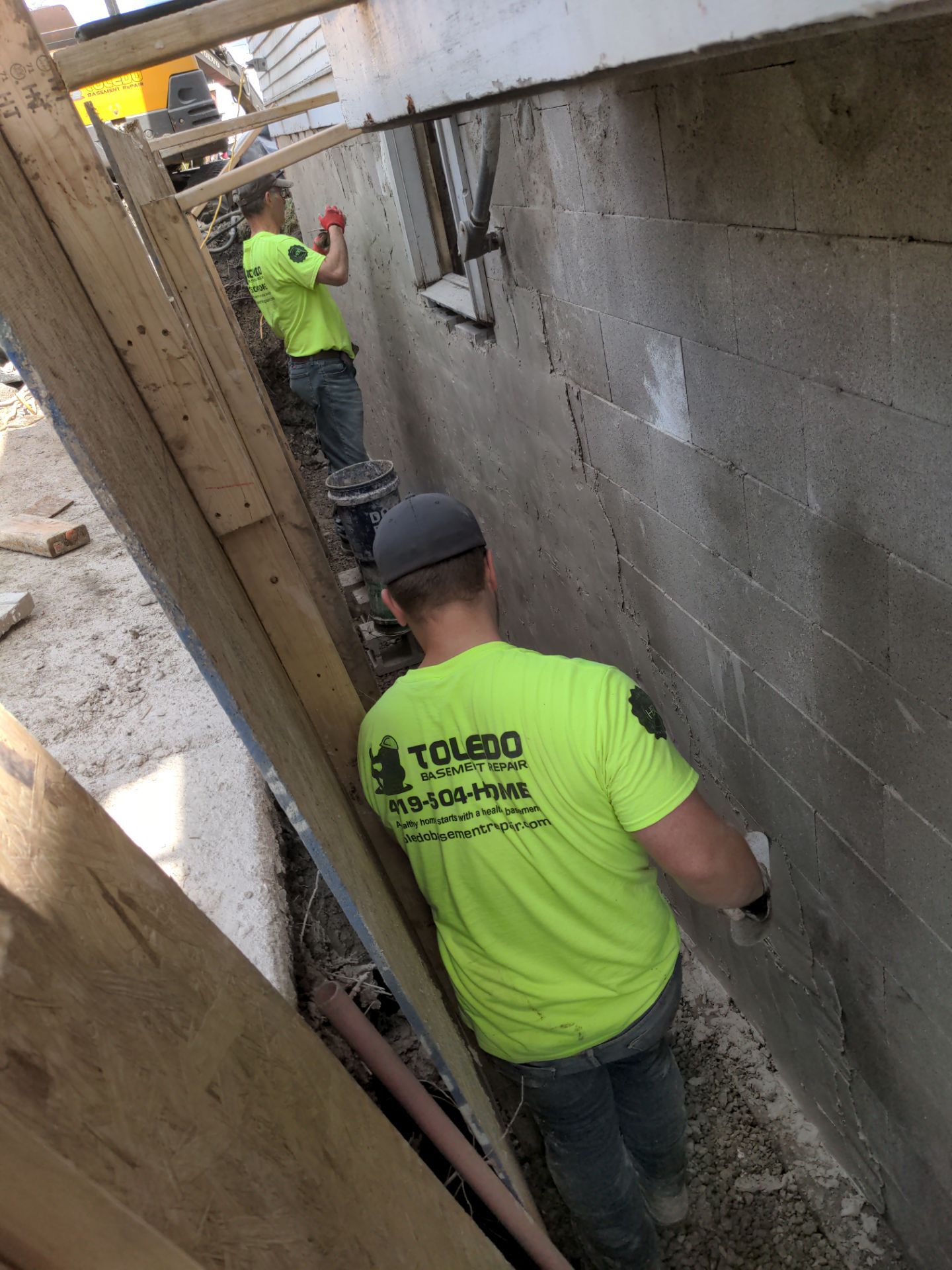 Beneath your home lies the foundation, the unsung hero bearing the weight of your house. It’s crucial to keep an eye on this silent supporter as it can signal trouble when it starts to crack.
Foundation cracks, while often small and seemingly insignificant, can be a tell-tale sign of more significant problems lurking beneath the surface.
When you notice cracks in your foundation, it’s often due to changes in soil moisture. You see, different types of soil expand and contract at varying rates with changes in moisture, leading to movement that can put pressure on your foundation.
When the pressure becomes too great, it leads to those pesky foundation cracks.
Unfortunately, you can’t control the weather, but you can control how your home interacts with it. Waterproofing your foundation can help maintain consistent soil moisture around your home, minimizing the risk of foundation damage.
It’s not a cure-all, but it certainly helps in the fight against foundation cracks caused by fluctuating soil moisture levels.
The Science of Waterproofing
Now, let’s get into the nitty-gritty of the science of waterproofing.
You might be curious about how this process works and why it’s so beneficial for your foundation.
Don’t worry, we’re about to break it down for you.
Waterproofing Process Explained
Ever wondered how the waterproofing process works to protect your home’s foundation? It’s all about controlling water flow and keeping unwanted moisture out. Here’s the science behind it.
First, drainage systems are installed around your home’s foundation. They’re designed to divert water away from the house, reducing the amount of water that can seep into the foundation. Think of it as your home’s first line of defense against moisture.
Next, moisture barriers are applied directly to the foundation. These barriers are typically made of a waterproof material like rubber or plastic, and they form a continuous layer over the surface of the foundation. This layer acts like a shield, blocking water from seeping into the foundation.
If you’re having a new home built, the waterproofing process typically happens right after the foundation is poured and the drainage systems are in place.
But if you’re dealing with an existing home, you can still have it waterproofed. It’s a bit more complex, but it can be done.
Don’t wait until you’ve got a serious moisture problem. Protect your home’s foundation with waterproofing. It’s a smart investment in your home’s future.
Benefits of Waterproofing
Waterproofing your home’s foundation packs a punch of benefits that go beyond mere moisture control.
It’s not just about keeping your basement dry – though that’s a significant perk. It’s about ensuring the long-term structural integrity of your house.
Picture this. The rain’s pouring, and water begins to seep into your foundation. Over time, this moisture can cause cracks, leading to costly repairs.
However, with a waterproofed foundation, you won’t have to worry about these problems. The waterproofing layer acts as a barrier, repelling water away from your foundation, thus preserving its structural integrity.
Moreover, moisture control is vital for maintaining a healthy living environment. Damp conditions can breed mold and mildew, which can wreak havoc on your health.
Waterproofing prevents this by keeping your foundation dry and your home’s interior air quality high.
And let’s not forget about property value. A waterproofed foundation is a strong selling point, often increasing the value of your home.
Types of Foundation Waterproofing
Now, let’s turn your attention to the different types of foundation waterproofing.
You’ll find there are two main categories: exterior and interior methods.
Each has its own techniques and benefits that we’re about to explore.
Exterior Waterproofing Methods
Imagine facing the daunting task of repairing a damaged foundation; it’s not only costly but also time-consuming.
That’s where exterior waterproofing methods can help you prevent foundation damage, saving you a lot of stress and money in the long run.
There are several exterior waterproofing methods you can consider. These methods aim to prevent water from making contact with your house’s foundation. They employ drainage systems and moisture barriers to divert water away from your home.
- Drainage Systems: These are installed around your foundation. They collect water and direct it away from your house, preventing any possible damage.
- Moisture Barriers: This method involves applying a waterproof coating to your home’s exterior foundation walls to stop water infiltration.
- Gutter Systems: Properly functioning gutters and downspouts are essential in directing rainwater away from your house.
- Landscaping Techniques: Sloping your yard away from your house can effectively prevent water from pooling around your foundation.
Interior Waterproofing Techniques
While exterior methods are great at keeping water away from your foundation, they’re not the only game in town. You can also fight moisture from the inside. That’s where interior waterproofing techniques come into play.
Interior drainage is a key player in these techniques. You might be wondering, “What is that?” Well, it’s a system of channels and pipes installed beneath your basement floor. It collects water that seeps in and directs it to a sump pump, which then pumps it out and away from your home. It’s like having your very own water bouncer, booting out unwanted moisture before it causes a scene.
Another heavyweight in the interior waterproofing game is the use of moisture barriers. They’re essentially plastic or foil sheets that you can install on your walls and floors. They act like a raincoat for your home, shielding it from dampness and condensation.
They’re an excellent way to keep that unwanted moisture at bay.
Benefits of Waterproofing Your Foundation
Without a doubt, waterproofing your foundation can provide substantial benefits. It’s a game changer when it comes to foundation stability. By keeping moisture out, you’re taking a proactive step to protect your property’s structural integrity.
Waterproofing aids in moisture control, which is a significant aspect of maintaining a healthy living environment. Excessive moisture can lead to mold growth, which can cause health issues for your family. By waterproofing your foundation, you’re preventing these potential health hazards.
Moreover, waterproofing also helps to preserve the value of your home. Potential buyers will appreciate the measures you’ve taken to ensure the property’s structural integrity. Therefore, it’s not just a short-term solution but an investment for the future.
Here’s a quick rundown of key benefits:
- Improved foundation stability
- Effective moisture control
- Prevention of potential health hazards
- Preservation of property value
Waterproofing as a Preventive Measure
If you’ve ever dealt with foundation damage, you know it’s no trivial matter. It’s a costly, stressful ordeal that can significantly impact your home’s stability. But there’s a way to prevent it: waterproofing.
Waterproofing your home isn’t just about dealing with existing issues; it’s a proactive measure to prevent future damage. It reduces flood risk, one of the leading causes of foundation damage. When heavy rainfall occurs, waterproofing can act as a barrier, preventing water from seeping into your foundation.
Besides flood risk, soil moisture is another factor that can harm your foundation. This can be a particular concern if your home is built on expansive soil which swells when wet and shrinks when dry, causing foundation movement.
Waterproofing helps control soil moisture levels, preventing such dangerous fluctuations from affecting your foundation.
Investing in waterproofing isn’t just a smart move; it’s an essential one. It doesn’t just protect your home; it provides peace of mind. Knowing your foundation is shielded from potential water damage allows you to focus on enjoying your home, rather than worrying about its structural integrity.
Remember: prevention is always better, and typically cheaper, than cure.
The Cost of Neglecting Waterproofing
Neglecting to waterproof your home can lead to severe consequences down the line. It may seem like a small thing now, but the long term impacts are anything but minor.
Waterproofing protects your home from damage caused by moisture and water. Without it, you’re exposing your home to a world of potential issues:
- Structural damage to your home
- Mold and mildew growth
- Health problems from mold exposure
- Decreased property value
These issues aren’t just troublesome, they’re costly. The repair costs associated with fixing water damage can be astronomical, especially if it involves your home’s foundation.
You’re not only paying for the repairs but also for the inspection and assessment. The health risks from mold exposure can also lead to medical costs. Mold can cause respiratory issues, allergic reactions, and other health problems.
Don’t underestimate the importance of waterproofing. The cost of neglecting this vital home maintenance task is far greater than the initial outlay for waterproofing.
In the long run, waterproofing is an investment in your home’s future, your health, and your peace of mind.
Professional Waterproofing Services
Understanding the risks and consequences of not waterproofing your home, you might be wondering about the best way to tackle this issue. Hiring professional waterproofing services is your best bet. These professionals have the expertise and the right waterproofing materials to protect your home from potential water damage.
Professional waterproofing services offer a comprehensive solution. They start with professional assessments to identify the exact problem areas in your home. They’ll examine your basement, walls, and other vulnerable areas for signs of leakage or water damage. This thorough inspection allows them to develop a targeted action plan.
Once they’ve identified the problems, they’ll use top-quality waterproofing materials to seal any cracks or leaks. This could include waterproofing paint, sealants, or membranes, depending on the specifics of your home.
Professional waterproofing doesn’t just fix current issues – it prevents future damage too. Yes, professional services might cost a bit more upfront. But think about the peace of mind you’ll have, knowing your home is safeguarded against water damage. It’s an investment that will save you from expensive repairs down the line.
In the end, professional waterproofing services give you a reliable, long-term solution to keep your home safe and dry. Trust the experts – it’s worth it.
DIY Waterproofing Solutions
While hiring professionals is often the best option, you can also tackle waterproofing on your own with some DIY solutions.
Basement sealing and implementing drainage solutions are two of the most effective methods you can take on.
Sealing your basement is crucial in preventing water from seeping into your home’s foundation. This can be achieved by applying a waterproofing primer followed by a waterproofing paint. It’s a straightforward process, but it does require time and patience.
Drainage solutions, on the other hand, involve redirecting the flow of water away from your home. This can be as simple as extending your downspouts or as complex as installing a French drain system.
Here are some DIY waterproofing solutions you might consider:
- Seal cracks and small holes using a waterproofing sealant.
- Install a sump pump to manage water accumulation.
- Use a dehumidifier to maintain a dry environment.
- Apply a waterproofing membrane on the exterior walls.
Frequently Asked Questions
What Are the Early Signs of Needing Foundation Waterproofing?
You might need foundation waterproofing if you’re seeing early signs like leaky basements and mold growth.
These issues, often caused by water seeping into your home, can lead to major structural damage if left unchecked.
Don’t ignore wet spots on walls, a musty smell, or cracks in the foundation.
It’s essential to tackle these problems head-on to prevent further damage.
Waterproofing your foundation can be a smart, proactive move.
How Long Does a Typical Foundation Waterproofing Process Take?
You’re wondering about the duration of a typical foundation waterproofing process.
It isn’t a one-size-fits-all answer. It largely depends on the degree of damage revealed during the foundation inspection and the waterproofing techniques employed.
However, you’re generally looking at a few days to a week. If severe damage is found, it could extend into a couple of weeks.
Can Waterproofing Improve the Overall Value of My Property?
Absolutely! Waterproofing is a savvy home improvement that can significantly boost your property investment.
It not only protects your home from potential water damage, but also enhances its market value. Buyers appreciate homes that are well-maintained and protected against future issues.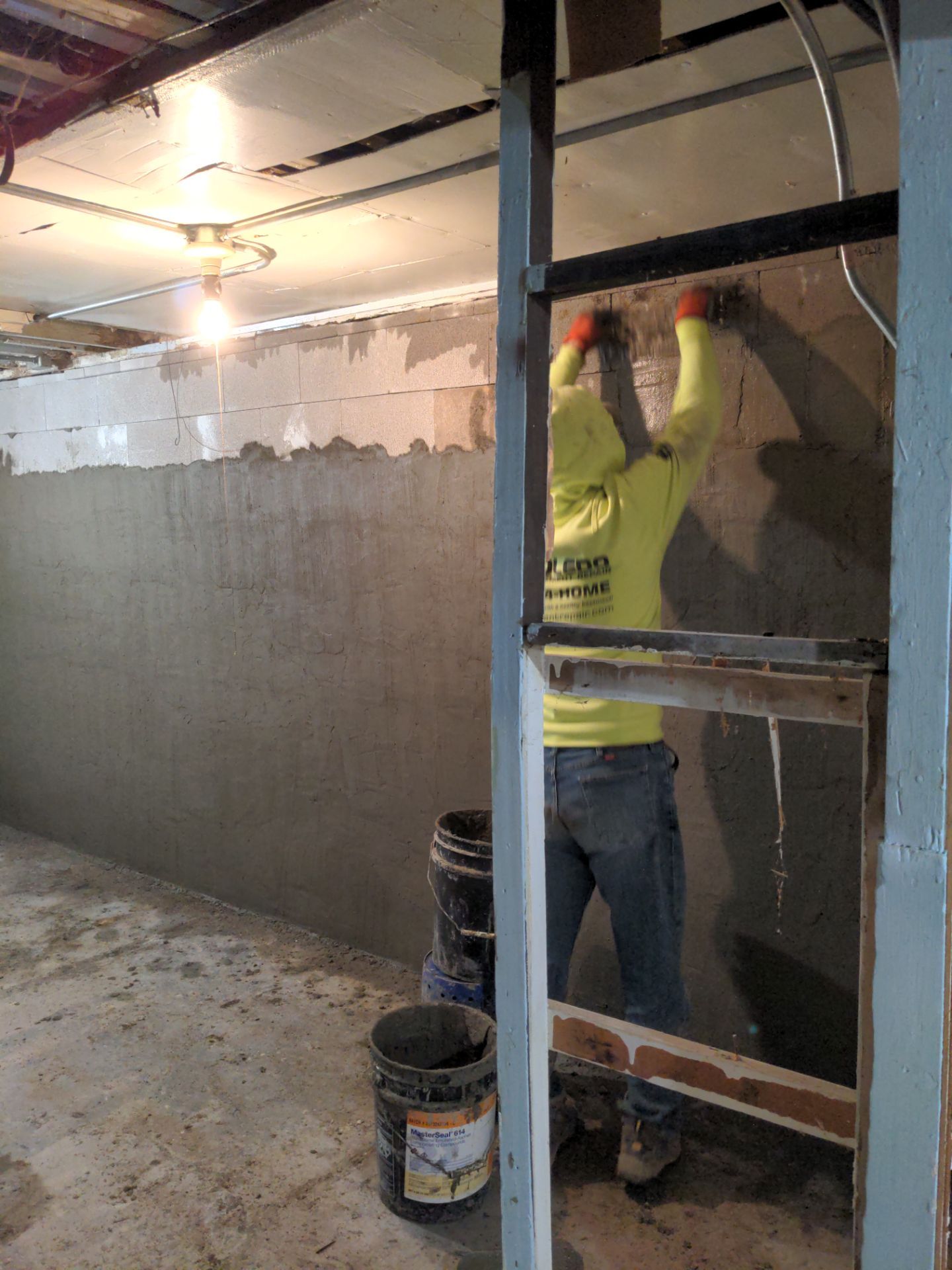
By waterproofing your foundation, you’re ensuring a strong, dry home, which is an attractive feature to potential buyers.
What Maintenance Is Required After Waterproofing My Foundation?
After you’ve waterproofed your foundation, regular maintenance is key.
You’ll want to conduct post waterproofing inspections to ensure the system’s working properly. This might involve checking for cracks or leaks.
Don’t neglect your drains either! Regular drain maintenance prevents blockages, which can compromise your waterproofing and cause water to pool.
Staying on top of these tasks will help your foundation stay dry and damage-free.
Are There Specific Seasons Ideal for Foundation Waterproofing?
Yes, there are ideal seasons for foundation waterproofing.
It’s best to tackle this task before spring rains and winter frost, which can cause significant foundation damage.
Late summer or early fall is often the perfect time.
You’ll have dry weather for the work to be done, and your foundation will be protected before the harsher weather hits.
So, you’ve seen how important waterproofing is in preventing foundation damage. It’s not just about keeping your home dry, it’s about protecting its structural integrity. From reducing soil pressure to improving air quality, the benefits are clear. Don’t ignore this crucial preventive measure. The potential costs of neglect are too high. Whether you choose professional services or a DIY approach, make waterproofing a priority. Your home’s foundation deserves nothing less.

Kevin Oberhouse was raised in Toledo with 7 siblings. Dawn and Kevin have four kids.
The Oberhouse family lives in the house Kevin built when with his first crew. Kevin’s parents invited more than 100 foster children into their home throughout his life. Kevin believes this part of his life really helped to build empathy for others.
Kevin has a degree in civil engineering and went on to get an MBA as well as multiple other certifications in structural systems, egress systems, air quality, and commercial and residential roofing, among many others.
Toledo Basement Repairs promises to treat you and your project with respect and our best professional judgment. There is plenty of work out there and Toledo Basement Repair will not push you into a system that you do not fully understand or feel comfortable with.