
So, you’re considering investing in basement waterproofing services, but what about the warranty? Warranties typically cover labor and materials, right? But it’s not always as straightforward as it seems. There are exclusions and limits to these warranties that you need to understand before signing on the dotted line. Neglect, pre-existing issues, natural disasters these could all be non-covered scenarios. But don’t fret, we’re here to help you navigate these murky waters. Stay with us as we dive deeper into what’s covered, what’s not, and how you can make the most of your warranty.
Key Takeaways
- Basement waterproofing warranties typically cover labor and materials for service failures.
- Specific waterproofing methods, such as drainage systems, are usually included in warranty coverage.
- Some warranties may cover structural damage resulting from waterproofing failures.
- Common exclusions in warranties include pre-existing conditions, negligence, natural disasters, and unapproved repairs.
- Warranty duration can extend from one year to a lifetime, with varying definitions of ‘lifetime.’
Understanding Basement Waterproofing Warranties
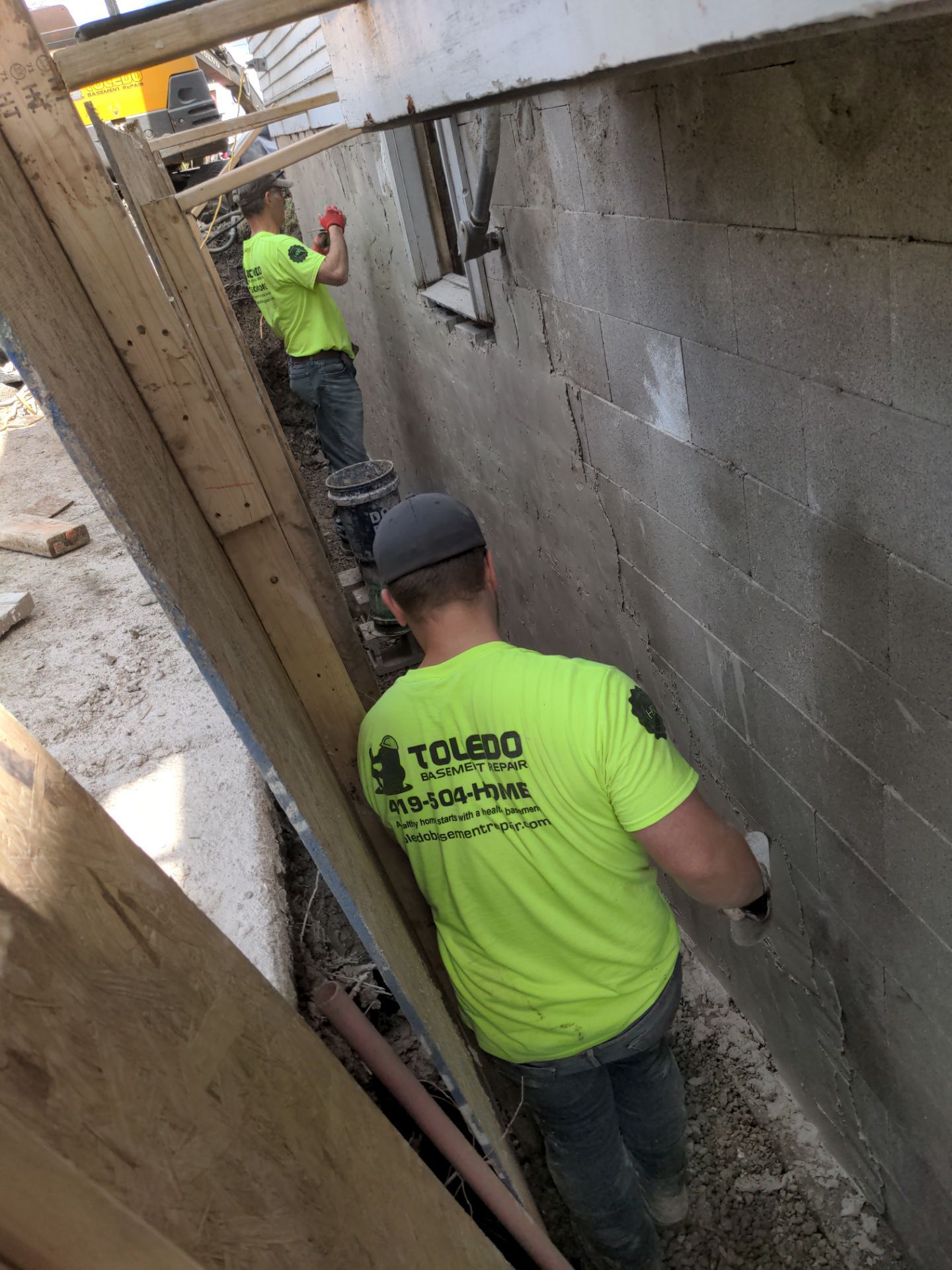 When delving into basement waterproofing warranties, it’s vital to grasp their fundamental workings. These warranties are fundamentally contracts between you and the waterproofing company, guaranteeing that if any issues arise after the service, they’ll handle them at no additional cost.
But, remember, not all warranties are created equal. Some warranties may cover all aspects of the waterproofing, including labor and materials, while others might only cover certain parts. It’s important to read the fine print and understand what’s covered and what isn’t. For instance, some warranties won’t cover damages caused by natural disasters, like earthquakes or floods. Others mightn’t include any issues arising from incorrect maintenance on your part.
Moreover, the length of the warranty should be another consideration. You’ll find warranties ranging from one year to a lifetime. However, a “lifetime” warranty mightn’t necessarily mean your lifetime. It could refer to the life of the material or the lifespan of the building.
Lastly, verify the warranty is transferable. If you decide to sell your home, a transferable warranty can be a significant selling point.
To summarize, understanding your basement waterproofing warranty is just as important as the waterproofing itself. Make sure you’re fully aware of its terms and conditions.
Types of Basement Waterproofing Services
Now that you’re well-versed with the details of a basement waterproofing warranty, it’s time to explore the different types of basement waterproofing services available.
These services are designed to protect your home from water damage and guarantee the longevity of your basement.
- Interior Waterproofing: This method involves the application of sealants and coatings on the interior walls and floors of your basement.
It’s often the most cost-effective solution, though it isn’t always the best for severe water intrusion.
- Exterior Waterproofing: This service involves excavating around the house to apply a waterproof coating to the exterior walls.
It’s more expensive and disruptive, but it offers superior water protection, keeping water away from your foundation.
- Drainage Services: These services focus on improving your home’s drainage system to redirect water away from your property.
They might involve installing French drains, sump pumps, or other drainage systems.
- Foundation Repair: Sometimes, waterproofing isn’t enough.
If your basement walls have cracks or other structural issues, you might need foundation repairs to guarantee your basement is safe and secure.
Typical Coverage of Waterproofing Warranties
Understanding the typical coverage of waterproofing warranties is essential before you commit to any basement waterproofing service. You need to know what you’re paying for and what to anticipate in case of any shortcomings.
Primarily, most warranties cover the labor and materials used in the waterproofing process. This means if the waterproofing fails due to poor workmanship or defective materials, the company will fix it at no additional cost. You’re shielded from incurring extra expenses for repairs or replacements within the warranty period.
Moreover, warranties often cover specific waterproofing methods, such as interior drainage systems, sump pumps, or exterior waterproofing. Should these systems fail, you’re entitled to repairs or system upgrades.
Furthermore, some warranties extend to structural damage caused by failed waterproofing. For instance, if water seepage leads to a cracking foundation, the warranty would cover the necessary repairs.
Lastly, transferable warranties are a common component. This means if you sell your house, the warranty passes on to the new homeowner, adding value to your property.
Exclusions in Waterproofing Warranties
While warranties offer a protective shield, it’s equally important to know what they don’t cover. Exclusions in waterproofing warranties are those specific situations or damages that won’t be compensated by the service provider.
Being aware of these exclusions gives you a clear understanding of the limitations of your warranty.
Here are four common exclusions you’ll likely find in your basement waterproofing warranty:
- Pre-existing conditions: If your basement already had water damage prior to the waterproofing service, the warranty mightn’t cover it. Always clarify this point before signing any contract.
- Negligence or misuse: Warranties tend not to cover damages resulting from your negligence or misuse. For instance, if you intentionally flood your basement, don’t expect the warranty to bail you out.
- Natural disasters: Some warranties exclude coverage for damages caused by natural disasters like earthquakes or floods. Always check the fine print.
- Unapproved repairs or modifications: If you make any changes or repairs to the waterproofing without the company’s permission, they’re not obligated to cover any resulting issues.
Importance of Warranty Duration
The duration of your waterproofing warranty plays a significant role in safeguarding your basement. It’s fundamentally the time frame during which you’re covered for any waterproofing failure. You’re relying on this assurance for peace of mind, knowing that if anything goes wrong, you won’t be left out to dry—literally.
However, not all warranty durations are created equal. They can range from a mere one year up to a lifetime. It’s essential that you’re not just looking at the coverage but also how long that coverage lasts.
You might be wondering, “So, what’s the big deal?” Well, let’s break it down:
| Warranty Duration | Importance |
|---|---|
| Short-term (1-5 years) | Might not cover long-term issues |
| Mid-term (5-10 years) | More thorough, but still limited |
| Long-term (10 years +) | Covers most potential issues |
| Lifetime | Maximum protection, peace of mind |
Choosing a warranty with a longer duration means you’re covered for more potential issues, giving you the greatest level of protection. So, before signing anything, make sure you’re getting a warranty duration that’ll keep your basement dry for years to come.
Navigating Warranty Claims
When it comes to basement waterproofing warranties, knowing how to navigate warranty claims is essential.
It’s not just about having a warranty, it’s understanding the terms and knowing how to file a successful claim.
Let’s break this down so you can be prepared if a problem arises.
Understanding Warranty Terms
To guarantee your basement remains dry and damage-free, it’s crucial to understand the warranty terms of your waterproofing system. Knowledge of these terms can save you a great deal of trouble and unnecessary expenses down the line.
Here are four key areas you should focus on:
- Coverage: Determine what exactly is covered under your warranty. Is it limited to certain components of the system, or does it cover the whole system? Does it cover labor and parts, or just parts?
- Duration: Check how long the warranty lasts. Is it for a specific period, or is it a lifetime warranty? Remember, ‘lifetime’ could mean either your lifetime or the expected life of the product.
- Transferability: If you sell your home, can the warranty be transferred to the new homeowner? This could potentially increase the value of your home.
- Exclusions: This is often the most overlooked part of a warranty. Always check what isn’t covered. Are there restrictions or conditions that could void the warranty?
Filing a Successful Claim
 Steering through warranty claims can feel like a maze, but a successful claim isn’t out of reach. It’s all about understanding the terms, knowing your coverage, and keeping good records.
First off, know your warranty inside out. Understand what’s covered and what isn’t. If you’re unsure, don’t hesitate to call the company for clarification. They’re there to help.
Next, keep meticulous records. If a problem arises, record the date, what happened, and any steps you took to resolve it. Photos or videos can also be invaluable. These details can strengthen your claim.
When you’re ready to file, contact the company promptly. Delaying could complicate things. Clearly explain the issue and what you’d like them to do. Stay patient and professional, even if it’s frustrating.
Remember, warranty claims aren’t a guarantee. Sometimes, despite your best efforts, the claim might be denied. If that happens, don’t be disheartened. You can always appeal the decision or seek legal advice.
Navigating through warranty claims can be tricky, but with preparation and persistence, you’ll be better positioned to make a successful claim. After all, it’s your right as a consumer to get what you paid for.
Tips for Maximizing Warranty Benefits
Understanding your basement waterproofing warranty can pave the way to significant savings in the long run.
But how can you guarantee you’re getting the most out of your warranty? Here are a few tips that can help you maximize your benefits:
- Read the Fine Print – It’s essential to understand what’s covered and what’s not. If you don’t, you might end up footing the bill for repairs that you thought were covered.
- Maintain Regular Inspections – Just because your basement is waterproofed doesn’t mean it’s immune to problems. Regular inspections can help catch issues early, potentially saving you a lot on repairs.
- Follow Maintenance Guidelines – Your warranty may require specific maintenance. Neglecting these tasks could void your warranty, so make sure you’re staying on top of them.
- Keep All Documentation – Keep all receipts, contracts, and warranty documents in a safe place. You’ll need them if you ever need to file a claim.
So, you’ve learned how warranties work for basement waterproofing. They cover labor and materials for needed repairs, but remember, they usually exclude pre-existing conditions and damages from negligence or natural disasters. The warranty duration is also essential. If you need to make a claim, navigate it carefully. Use these insights to maximize your warranty benefits and protect your home from unexpected expenses. It’s all about knowing what’s covered and what’s not.

Kevin Oberhouse was raised in Toledo with 7 siblings. Dawn and Kevin have four kids.
The Oberhouse family lives in the house Kevin built when with his first crew. Kevin’s parents invited more than 100 foster children into their home throughout his life. Kevin believes this part of his life really helped to build empathy for others.
Kevin has a degree in civil engineering and went on to get an MBA as well as multiple other certifications in structural systems, egress systems, air quality, and commercial and residential roofing, among many others.
Toledo Basement Repairs promises to treat you and your project with respect and our best professional judgment. There is plenty of work out there and Toledo Basement Repair will not push you into a system that you do not fully understand or feel comfortable with.