
Did you know that cold weather can have a substantial impact on the moisture levels in your basement? This happens when the warm, humid air inside your home meets the chilly basement walls, resulting in condensation and potential problems such as mold growth and structural damage. Additionally, the freeze-thaw cycles can lead to water seeping into your basement from the surrounding soil. Neglecting these issues might lead to a year-round struggle with moisture. Curious about how to prevent this? Stay tuned for some effective strategies.
Understanding Basement Moisture
When you peel back the layers of your home’s structure, you’ll find that basement moisture is a pervasive issue that can creep up on you.
Moisture in your basement is more than just a minor inconvenience—it’s a silent destroyer. It can lead to a host of problems including mold, mildew, structural damage, and even health issues.
It’s essential to understand that basements are naturally prone to moisture due to their position in the ground. Water in the soil can seep into your basement through cracks or pores in the walls and floors.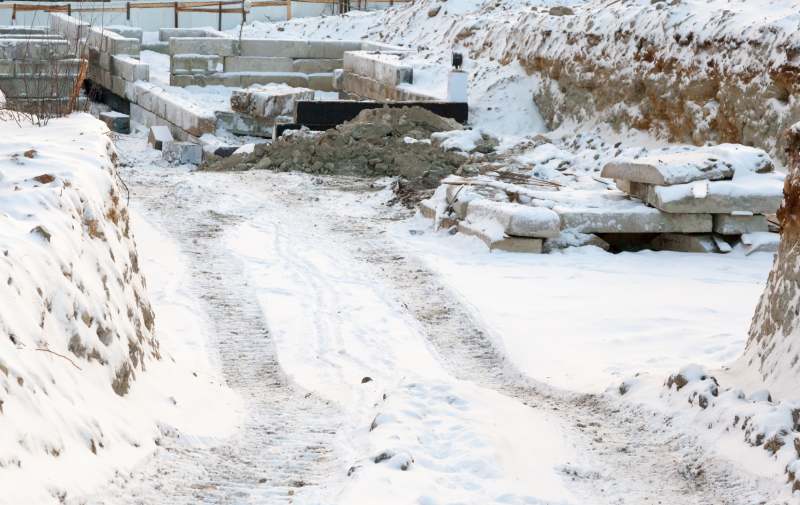
Groundwater level fluctuations, poor drainage, improper sealing, or plumbing leaks are among the common causes of basement moisture.
In addition, the natural humidity in the air can also contribute to basement moisture. When warm, humid air enters your cool basement, it condenses on the cold surfaces, leading to dampness.
While it’s important to monitor and control the level of moisture in your basement, remember that complete elimination is nearly impossible due to the basement’s inherent characteristics.
However, with a good understanding of how moisture enters and accumulates in your basement, you’ll be well-equipped to implement effective moisture management strategies.
The Cold Weather Factor
As the mercury drops, the impact on your basement moisture levels becomes increasingly significant. You see, colder weather can indirectly cause an increase in basement moisture through a process called condensation.
Here’s how it works: when warm air inside your home collides with the cold basement walls, it cools down rapidly and loses its ability to hold moisture, causing it to condense on your basement walls.
This isn’t the only way cold weather can affect moisture levels. The freezing and thawing cycle can also contribute. Water from rain or melting snow can seep into the soil around your basement.
When temperatures drop below freezing, this water turns into ice and expands, pushing against your basement walls and creating tiny cracks. These cracks, when combined with the thawing cycle, provide an easy path for water to infiltrate your basement, increasing moisture levels.
As a homeowner, it’s crucial to understand these cold weather factors. They’re not just a winter problem, but a year-round concern, as the effects can linger and become worse over time if not addressed.
Properly managing these factors can help maintain the integrity of your basement’s structure, keeping it dry and safe.
Impact on Home Structures
A significant number of homeowners underestimate the impact of basement moisture on the structural integrity of their homes. When cold weather strikes, it’s not just the discomfort you’ve to worry about. It’s the unseen damage happening right under your feet.
During the cold season, basement moisture levels rise due to condensation. As the warm air inside your home hits the cold basement walls, water droplets form and soak into the porous concrete.
Over time, this moisture seeps into the wooden structures of your home, causing them to weaken and decay. The structural integrity of your home is compromised, and the repair costs can be staggering.
Additionally, the increased moisture levels can lead to the growth of mold and mildew. These fungi thrive in damp, dark environments like your basement.
As they grow, they can infiltrate into your home’s structures, causing further damage. Furthermore, they pose a serious health risk to you and your family.
Preventing Moisture Build-Up
Your basement’s best defense against moisture build-up in the cold weather is a proactive approach to prevention. This involves understanding the underlying causes and intervening before the problem escalates.
Firstly, make sure proper insulation is in place. Cold air can cause condensation on your basement walls, leading to moisture build-up. Insulation not only prevents this, but also helps maintain a consistent temperature, warding off potential dampness.
Next, consider installing a vapor barrier. This plastic or foil sheet, when installed on walls and floors, blocks moisture from seeping in. It’s a technical task and you might need professional help, but it’s worth the investment.
Ventilation is also key. An enclosed basement traps moisture-laden air, fostering damp conditions. Installing vents or exhaust fans can help circulate air and reduce moisture.
Lastly, don’t forget drainage. It’s crucial to keep water away from your house. Make sure your gutters and downspouts are clear and direct water away from your foundation.
A sloping landscape can also help with this.
Remedies for Winter Moisture Problems
Winter moisture problems in the basement can quickly turn into a homeowner’s nightmare. It’s crucial to address these issues promptly to prevent further damage.
Firstly, invest in a quality dehumidifier. It’ll reduce the humidity levels, making it harder for mold and mildew to grow. Verify it’s powerful enough to cover the entire basement area.
Secondly, improve your home’s insulation. Cold surfaces in the basement, like windows and uninsulated walls, can cause condensation. By insulating these areas, you’ll reduce the risk of moisture build-up.
Thirdly, consider the installation of a sump pump if your basement is prone to flooding. This device will remove water that has accumulated, keeping your basement dry.
So, folks, remember, winter isn’t just for snowball fights and cozy fires. It’s also prime time for your basement to transform into a moisture-loving, mold-making fiesta! Don’t let your basement party harder than you do this winter. Stay vigilant, keep it dry, address cracks promptly, and you can avoid the heartache of a damp, damaged basement. After all, nobody likes a party crasher, especially when it’s cold weather causing a ruckus in your home’s foundation.

Kevin Oberhouse was raised in Toledo with 7 siblings. Dawn and Kevin have four kids.
The Oberhouse family lives in the house Kevin built when with his first crew. Kevin’s parents invited more than 100 foster children into their home throughout his life. Kevin believes this part of his life really helped to build empathy for others.
Kevin has a degree in civil engineering and went on to get an MBA as well as multiple other certifications in structural systems, egress systems, air quality, and commercial and residential roofing, among many others.
Toledo Basement Repairs promises to treat you and your project with respect and our best professional judgment. There is plenty of work out there and Toledo Basement Repair will not push you into a system that you do not fully understand or feel comfortable with.