
Exterior basement waterproofing provides a solid defense against water seepage, protecting a home’s foundation from the outside. This method is especially important for homes in high-rainfall areas or those with consistently wet soil. By addressing water issues before they reach the foundation, exterior waterproofing offers comprehensive, long-lasting protection for basements and crawl spaces.
Benefits of Exterior Waterproofing
Exterior waterproofing is a preventative measure, stopping water at its source rather than managing it once it has already entered the basement. Though typically more labor-intensive, this approach provides unparalleled protection by eliminating points of entry for water, keeping the foundation dry and stable. This method is well-suited to new construction but can also be adapted to older homes with the appropriate setup.
1. Foundation Excavation and Membrane Application
Excavating around the basement allows for direct access to the foundation, making it possible to apply protective layers that prevent water infiltration.
 Waterproof Membranes
Waterproof membranes are essential in creating a long-lasting seal around the foundation. These membranes come in both liquid and sheet forms, with liquid membranes often applied by spray to form a seamless barrier. They are highly flexible, making them suitable for foundations that experience shifts due to soil movement or seasonal changes. The membrane layer resists water penetration, helping to prevent dampness and leaks inside the basement.
Drainage Boards
Installing drainage boards over waterproof membranes provides added protection by directing water away from the foundation. These boards have a textured surface with dimples that create channels for water, guiding it to a French drain or footing drain below. By keeping water off the membrane, drainage boards help reduce hydrostatic pressure and improve the efficiency of the entire waterproofing system.
2. Exterior French Drains
French drains installed around the exterior of the foundation are highly effective at intercepting groundwater before it reaches basement walls.
French Drain Installation
Exterior French drains involve digging a trench around the house perimeter, placing a perforated pipe, and surrounding it with gravel. This setup allows groundwater to flow into the pipe and drain away from the foundation. Wrapped in a filter fabric, the pipe remains free from sediment, ensuring efficient water flow over time. Regular maintenance, such as clearing debris from the drain exit, is necessary to keep the system functional.
Footing Drains
Footing drains are placed at the base of the foundation to capture groundwater as it rises. By redirecting water away from the foundation, footing drains alleviate the pressure on basement walls, preventing cracks and leaks. Proper installation and maintenance of footing drains are essential for their effectiveness, especially in areas with high water tables.
3. Foundation Crack Repairs and Sealants
Foundation cracks can provide an easy entry point for water, making repairs essential in an exterior waterproofing plan.
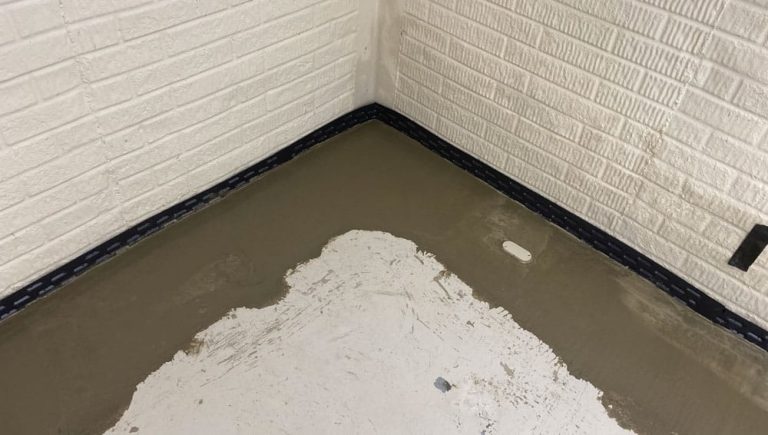 Epoxy Injections for Structural Cracks
Epoxy injections are ideal for sealing larger cracks, as the material bonds to concrete and provides structural reinforcement. Applied with a pressurized injection system, epoxy fills the entire crack, preventing water from entering and causing further deterioration. Epoxy also strengthens the foundation, making it a practical solution for homes with structural vulnerabilities.
Polyurethane Sealants for Minor Cracks
Polyurethane sealants are effective for smaller cracks that are susceptible to expansion and contraction. Unlike epoxy, polyurethane remains flexible, allowing it to shift with the natural movements of the foundation. These sealants are ideal for sealing hairline cracks and preventing moisture seepage in areas prone to slight shifts.
4. Grading and Landscaping to Direct Water Away
Landscaping adjustments around the home can significantly improve exterior waterproofing efforts by directing water away from the foundation.
Grading for Optimal Water Flow
Grading involves sloping the ground around the foundation to ensure water flows away from the home rather than pooling near the basement walls. A gradual slope is usually sufficient to guide rainwater away, reducing hydrostatic pressure on the foundation. Grading adjustments are an affordable way to enhance exterior waterproofing, especially when combined with other techniques.
Water-Absorbing Plants and Rain Gardens
Planting water-absorbing vegetation near the foundation helps reduce soil moisture and improve drainage. Native plants are particularly effective, as they are adapted to local water conditions. Rain gardens, shallow depressions filled with water-tolerant plants, create natural absorption zones for rainwater runoff. These landscaping features are functional and aesthetically pleasing, making them a valuable addition to exterior waterproofing systems.
Exterior basement waterproofing is a durable solution for protecting your home’s foundation. Techniques such as waterproof membranes, drainage boards, French drains, and strategic landscaping ensure water is kept away from the basement, providing peace of mind and long-lasting defense against moisture. Investing in these methods will safeguard your home’s structural health, adding value and stability to the property over time.
Contact the Professionals at Toledo Basement Repair Today! (419) 297-6138

Kevin Oberhouse was raised in Toledo with 7 siblings. Dawn and Kevin have four kids.
The Oberhouse family lives in the house Kevin built when with his first crew. Kevin’s parents invited more than 100 foster children into their home throughout his life. Kevin believes this part of his life really helped to build empathy for others.
Kevin has a degree in civil engineering and went on to get an MBA as well as multiple other certifications in structural systems, egress systems, air quality, and commercial and residential roofing, among many others.
Toledo Basement Repairs promises to treat you and your project with respect and our best professional judgment. There is plenty of work out there and Toledo Basement Repair will not push you into a system that you do not fully understand or feel comfortable with.