
Waterproofing your basement is a critical task that can prevent costly damage and maintain a healthy living environment. While some waterproofing projects may require professional assistance, many steps can be taken by homeowners to protect their basements from water intrusion. This step-by-step guide will walk you through the process of DIY basement waterproofing, covering essential techniques and tips to keep your basement dry and safe.
Assessing Your Basement

Start by conducting a thorough inspection of your basement to identify areas where water might be entering. Look for visible signs of water damage, such as damp spots, mold, mildew, or efflorescence (a white, powdery substance on walls). Pay attention to cracks in the foundation walls and floor, as these can be common entry points for water.
Determine whether the water intrusion is due to external factors (such as poor drainage or high groundwater) or internal factors (such as condensation or plumbing leaks). Understanding the source of the problem will help you choose the most appropriate waterproofing solutions.
Improving Exterior Drainage
Ensure that your gutters and downspouts are free of debris and functioning correctly. Clean them regularly to prevent clogs that can cause water to overflow and pool around your foundation. Extend downspouts at least 5-10 feet away from the house to direct water away from the foundation.
Check the grading around your home to ensure that the ground slopes away from the foundation. Aim for a slope of at least 6 inches over 10 feet to effectively divert water away from the house. You may need to add soil and regrade the landscape to achieve the desired slope.
Consider installing a French drain or exterior drainage system to manage groundwater and surface water around your foundation. A French drain consists of a perforated pipe buried in a trench filled with gravel, which redirects water away from the foundation. This can be a more advanced DIY project, but it can significantly reduce hydrostatic pressure and prevent water infiltration.
Sealing Cracks and Gaps
Small cracks in the foundation walls and floor can be sealed using hydraulic cement or epoxy injections. Clean the cracks thoroughly to remove any loose debris, then apply the sealant according to the manufacturer’s instructions. For larger or more complex cracks, you may need to consult a professional.
Check for gaps around pipes, vents, and other fixtures that penetrate the foundation walls. Use polyurethane caulk or expanding foam to seal these gaps and prevent water from entering.
Interior Waterproofing Solutions
Waterproof coatings, such as masonry waterproofing paint or sealant, can be applied to the interior walls and floor of the basement. These coatings create a barrier that helps prevent water from seeping through the foundation. Clean and prepare the surfaces before applying the coating for best results.
A sump pump is an effective solution for managing water that enters the basement. To install a sump pump, dig a sump pit in the lowest part of the basement floor, place the pump in the pit, and connect it to a discharge pipe that directs water away from the house. Regularly test and maintain the sump pump to ensure it operates correctly during heavy rains or flooding.
Interior drainage systems, also known as French drains or weeping tiles, can be installed along the perimeter of the basement floor. These systems collect water that enters the basement and channels it to a sump pump or floor drain. Installing an interior drainage system can be a more involved DIY project but can provide effective protection against water intrusion.
Controlling Humidity and Ventilation
A dehumidifier can help control humidity levels in the basement, reducing the risk of condensation and mold growth. Choose a dehumidifier with a capacity appropriate for the size of your basement and empty the water reservoir regularly or connect it to a drain for continuous operation.
Ensure proper ventilation in your basement to promote air circulation and reduce moisture buildup. Install exhaust fans or open windows and vents to allow fresh air to enter and humid air to exit. Consider using a whole-house ventilation system for more comprehensive moisture control.
Preventing Future Water Problems
Regularly inspect your basement and foundation for signs of water damage or new cracks. Address any issues promptly to prevent them from worsening. Keep gutters and downspouts clean and ensure that drainage systems are functioning correctly.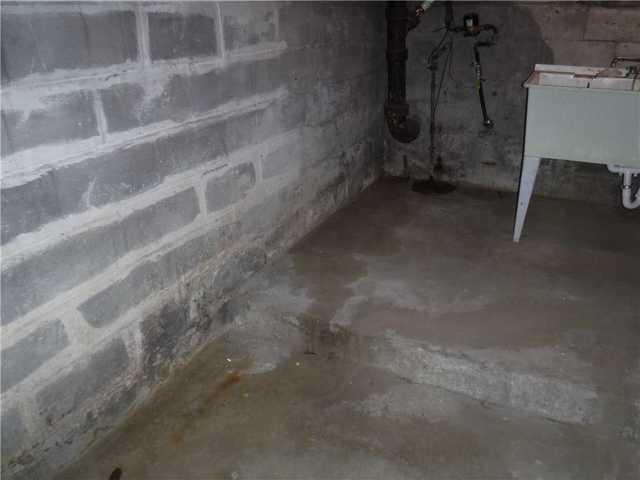
Periodically test your sump pump to ensure it is working correctly. Pour a bucket of water into the sump pit to trigger the pump and verify that it effectively removes the water. Consider installing a battery backup system to keep the pump operational during power outages.
Use a hygrometer to monitor humidity levels in your basement. Aim to keep humidity below 60% to prevent mold growth and condensation. Adjust your dehumidifier settings and ventilation as needed to maintain optimal humidity levels.
Be mindful of landscaping and irrigation practices that affect your home’s drainage. Avoid planting water-intensive plants near the foundation and ensure that irrigation systems do not oversaturate the soil around the house. Maintain proper grading to prevent water from pooling near the foundation.
DIY basement waterproofing can be a rewarding and cost-effective way to protect your home from water damage. By following the steps outlined in this guide, you can address common sources of water intrusion and implement effective solutions to keep your basement dry and safe. Regular maintenance and proactive measures will help ensure that your waterproofing efforts are successful and long-lasting.
Remember, while many waterproofing tasks can be completed by homeowners, some situations may require professional assistance. If you encounter significant structural issues or severe water problems, don’t hesitate to consult a qualified contractor to ensure your basement is properly protected.
Contact the Professionals at Toledo Basement Repair Today! (419) 297-6138

Kevin Oberhouse was raised in Toledo with 7 siblings. Dawn and Kevin have four kids.
The Oberhouse family lives in the house Kevin built when with his first crew. Kevin’s parents invited more than 100 foster children into their home throughout his life. Kevin believes this part of his life really helped to build empathy for others.
Kevin has a degree in civil engineering and went on to get an MBA as well as multiple other certifications in structural systems, egress systems, air quality, and commercial and residential roofing, among many others.
Toledo Basement Repairs promises to treat you and your project with respect and our best professional judgment. There is plenty of work out there and Toledo Basement Repair will not push you into a system that you do not fully understand or feel comfortable with.