
You’ve decided to tackle installing a crawlspace vapor barrier yourself, hoping to save a few bucks and protect your home from moisture damage. However, as with any DIY venture, there’s a catch. Many homeowners fall into traps during the process, making mistakes that can lead to ineffective protection and future complications. What are these common pitfalls, and how can you navigate around them to guarantee a successful project? Stick around, as we explore this topic further and provide you with the insights you’ll need.
Key Takeaways
- DIY mistakes often involve not preparing the crawl space properly, leaving moisture that can lead to mold growth and structural damage.
- Incorrect orientation of the vapor barrier, with the shiny side up instead of down, hampers effective moisture prevention.
- Improper sealing of seams and edges allows moisture to seep in; a minimum overlap of six inches is recommended.
- DIY installation often overlooks the importance of adequate ventilation, leading to moisture buildup and pest attraction.
- Inadequate inspections might miss damage to the vapor barrier, allowing moisture intrusion and potentially causing health and structural issues.
Understanding Crawl Space Vapor Barriers
 You might be wondering, “What exactly is a crawl space vapor barrier?” In the simplest terms, it’s a material used to prevent moisture from seeping into your crawl space. This barrier, usually made from polyethylene or similar materials, is installed on the ground and walls of your crawl space.
It’s designed to keep out the moisture that naturally rises from the earth. Without a vapor barrier, you’re inviting dampness into your home’s foundation. This moisture can lead to a host of problems, including mold growth and structural damage. It can even attract pests that thrive in damp environments. You wouldn’t want that, would you?
Vapor barriers come in different thicknesses, typically ranging from 6 to 20 mils. While a thicker barrier is generally more durable and effective, it’s also more expensive. So, you’ll have to balance your budget with your needs.
And remember, it’s not just about choosing the right barrier but also about installing it correctly. But don’t worry, we’ll get to that in the next section. For now, understand that a vapor barrier is an essential part of maintaining a healthy, dry home.
The Importance of Proper Installation
Ensuring a proper installation of your crawl space vapor barrier is essential. It’s not just about slapping on the barrier and calling it a day. No, it’s much more than that. You’ve got to take into account the type of barrier, the area it’s covering, and how it’s installed.
Why’s it so important, you ask? Well, improper installation can lead to a host of problems. You might see an increase in humidity levels, leading to mold growth and unpleasant odors.
Or, you might find your energy bills skyrocketing as your heating and cooling systems work overtime to compensate for the temperature changes caused by moisture seeping in.
In short, a botched job can cost you more than just time and money. It could potentially cause health issues or damage to your home.
That’s why it’s key to take your time and do it right. Read the instructions, understand the process, and – most importantly – don’t rush.
After all, a well-installed vapor barrier can protect your home, save you money, and provide peace of mind. So, do yourself a favor and prioritize proper installation. It’s worth it.
Common DIY Mistakes to Avoid
Taking a DIY approach to installing a crawl space vapor barrier can be rewarding, but it’s not without its pitfalls. If you’re not careful, you can easily fall victim to common mistakes that will compromise the efficiency of your barrier.
Here’s what you need to avoid:
- Overlooking Surface Preparation: You might be keen to get your barrier up, but don’t skip the prep work. Make sure your crawl space is clean and dry, with no sharp objects that can puncture your barrier.
- Installing the Wrong Side Up: Vapor barriers have a shiny side and a dull side. The shiny side should face downwards to block moisture effectively. Installing it upside down won’t provide the protection you’re looking for.
- Neglecting Seams and Edges: It’s not just about laying down the barrier, but also about sealing it right. If you leave gaps or don’t seal the edges properly, moisture will find its way in.
Choosing the Right Barrier Material
Maneuvering the vast array of options when it comes to barrier materials can be an intimidating task. But don’t fret, you’ve got this! The key is to understand your specific needs and to match them with the right product.
First, consider the thickness of the material. Thicker barriers, often measured in mils, are more durable than their thinner counterparts. If your crawl space is rough, or you’re expecting heavy foot traffic, you’ll want to opt for a thicker barrier.
Next, check the material’s permeability rating. This tells you how easily moisture can pass through. A lower rating means better moisture resistance. So, if you’re dealing with a damp environment, go for a low-permeability barrier.
Third, think about the installation process. Some barriers are easier to install than others. If you’re a DIY newbie, you might want to choose a material that’s easy to handle and install.
Lastly, don’t forget about cost. While you shouldn’t skimp on quality, it’s important to find a barrier that fits your budget. Compare prices, read reviews, and make an informed decision.
Dealing With Existing Moisture Issues
Before you get started with installing your carefully chosen vapor barrier, it’s imperative you tackle any existing moisture issues in your crawlspace. Addressing these problems initially will guarantee your vapor barrier’s effectiveness and longevity.
- Begin by conducting a thorough inspection of your crawlspace. Look for obvious signs of moisture, such as water pooling, damp insulation, or wet soil.
- Also, be on the lookout for mold or mildew, as these can indicate hidden moisture problems.
- Next, it’s important to identify the source of the moisture. Is it coming from a leaky pipe, seeping through the foundation, or is it due to poor drainage outside your home?
- Once identified, you’ll need to rectify these issues promptly. If you’re unsure, consider hiring a professional for help.
- Finally, make sure your crawlspace is dry before installing the vapor barrier. You may need to use a dehumidifier or fan to speed up the drying process.
- Remember, a dry crawlspace is vital for the vapor barrier to function effectively.
Ensuring Adequate Ventilation
You’ve tackled moisture issues, now let’s talk about ensuring adequate ventilation in your crawl space.
Recognize the significance of proper ventilation, understand common installation errors, and learn how to achieve an ideal airflow balance.
Importance of Proper Ventilation
Proper ventilation in your crawl space is an essential aspect of maintaining a healthy home.
It’s not just about keeping the area dry, it’s also about ensuring good air quality. Let me break it down for you.
- Preventing Moisture Buildup: Without proper ventilation, moisture can accumulate, leading to mold, mildew, and wood rot.
These issues can compromise the structural integrity of your home and cause health problems.
- Maintaining Air Quality: The air in your crawl space doesn’t stay there.
It circulates into your home. If it’s damp, moldy, or filled with pests, you’re breathing it in.
Good ventilation keeps the air in your crawl space, and consequently your home, fresh.
- Pest Control: Moist, dark environments are a haven for pests.
Proper ventilation can deter these unwanted visitors by making the space less inviting.
Ventilation System Installation Errors
Installing a ventilation system in your crawl space isn’t a task you can afford to botch. If done incorrectly, it can lead to a buildup of moisture, resulting in mold growth, wood rot, and even structural damage.
But fear not, we’re here to help you avoid common mistakes.
One common error is choosing the wrong type of ventilation system. It’s vital to select a system specifically designed for crawl spaces. A basic exhaust fan won’t cut it. You need a specialized fan that can effectively move air in this unique space.
Incorrect placement of vents is another pitfall. Vents should be installed throughout the crawl space to guarantee even air distribution. If they’re all on one side, you’ll end up with stagnant, moist air in areas farthest from the vents.
Lastly, don’t forget about insulation. Without it, cold air will condense, causing moisture problems. Insulate the walls, not the ceiling of the crawl space. This keeps the floor above warm, reducing condensation.
Avoiding these common errors will go a long way in making sure your crawl space stays dry and healthy.
Achieving Optimal Airflow Balance
Having sidestepped common installation errors, the next challenge is striking the right balance with airflow in your crawl space.
Ideal airflow balance is essential for avoiding moisture buildup that can lead to mold growth and structural damage. Achieving this balance isn’t a one-size-fits-all solution, it’s a delicate dance that depends on your home’s unique characteristics.
- Start by evaluating your crawl space’s current ventilation.
Do you have enough vents for the size of the space? The general rule is one square foot of vent for every 150 square feet of floor space. If you’re lacking in vents, it’s time to add more.
- Next, consider the location of your vents.
They should be evenly distributed to allow for cross-ventilation. This guarantees air can freely flow across all areas of the crawl space, preventing stale pockets of air from forming.
- Finally, don’t forget to examine your vapor barrier.
It should be properly sealed and without any tears that could allow moisture to seep in.
Overlapping and Sealing Techniques
Before you begin sealing your crawl space with a vapor barrier, it’s important to understand the significance of overlapping and sealing techniques. Proper execution of these techniques guarantees that your barrier is watertight, preventing moisture from seeping into your crawl space.
Start by laying out the vapor barrier sheets with a minimum overlap of six inches. It’s imperative to maintain this overlap as it forms the foundation of your moisture defense. Confirm the sheets extend up the walls of the crawl space by at least a few inches too. This step is often overlooked, but it’s crucial to prevent moisture from creeping in at the edges.
Next comes the sealing. You’ll want to use a robust, waterproof tape to seal the overlaps securely. Pay special attention to corners and edges, where moisture is most likely to penetrate. Don’t skimp on the tape – it’s better to use too much than too little.
Lastly, consider installing a liner seal at the top of the crawl space walls. This creates a continuous barrier, linking the floor and wall barriers, further strengthening your defense against moisture. Use the same tape to secure this seal, guaranteeing a thorough and robust moisture barrier.
Potential Health Risks of Incorrect Installation
Don’t underestimate the risks of incorrectly installing a crawl space vapor barrier.
If you’re not careful with sealing, you could face serious consequences like structural damage to your home.
More dangerously, you might expose yourself and your family to mold, which can lead to numerous health issues.
Improper Sealing Consequences
Neglecting to properly seal your crawl space can lead to a host of potential health risks.
Improperly sealed crawl spaces can become breeding grounds for harmful substances, directly impacting your home’s air quality and your health.
- Pest Infestations: An improperly sealed crawl space is an open invitation to pests like rodents and insects.
These unwelcome guests can carry diseases, which can easily spread to you and your family.
- Radon Gas: If radon is present in the soil around your home, it can seep into your crawl space if it’s not properly sealed.
Radon is a colorless, odorless, radioactive gas that’s been linked to lung cancer.
- Volatile Organic Compounds (VOCs): Many building materials release VOCs, which can accumulate in an unsealed crawl space.
Exposure to high levels of VOCs can cause a range of health problems, from headaches and dizziness to liver and kidney damage.
Mold Exposure Dangers
While improper sealing of your crawl space can invite pests and harmful gases, it’s also a perfect breeding ground for mold. This menacing fungus thrives in damp, poorly ventilated areas, and with an incorrectly installed vapor barrier, your crawl space fits the bill.
You might think, “So what? It’s just mold.” But that’s where you’re wrong. Mold exposure isn’t something to brush off. It can pose serious health risks, especially for those with existing respiratory conditions or allergies. Breathing in mold spores can cause symptoms like coughing, wheezing, and a runny nose.
Over time, consistent exposure can even lead to more serious conditions like chronic sinusitis or bronchitis.
But it’s not just your respiratory system at risk. Mold exposure can also cause skin rashes, headaches, and fatigue. In severe cases, it may even lead to neurological issues like trouble concentrating or memory loss.
When to Consider Professional Help
Deciding when to call in professionals for your crawl space vapor barrier installation can be a tricky choice. You don’t want to waste money on unnecessary services, but you also don’t want to risk damage to your home.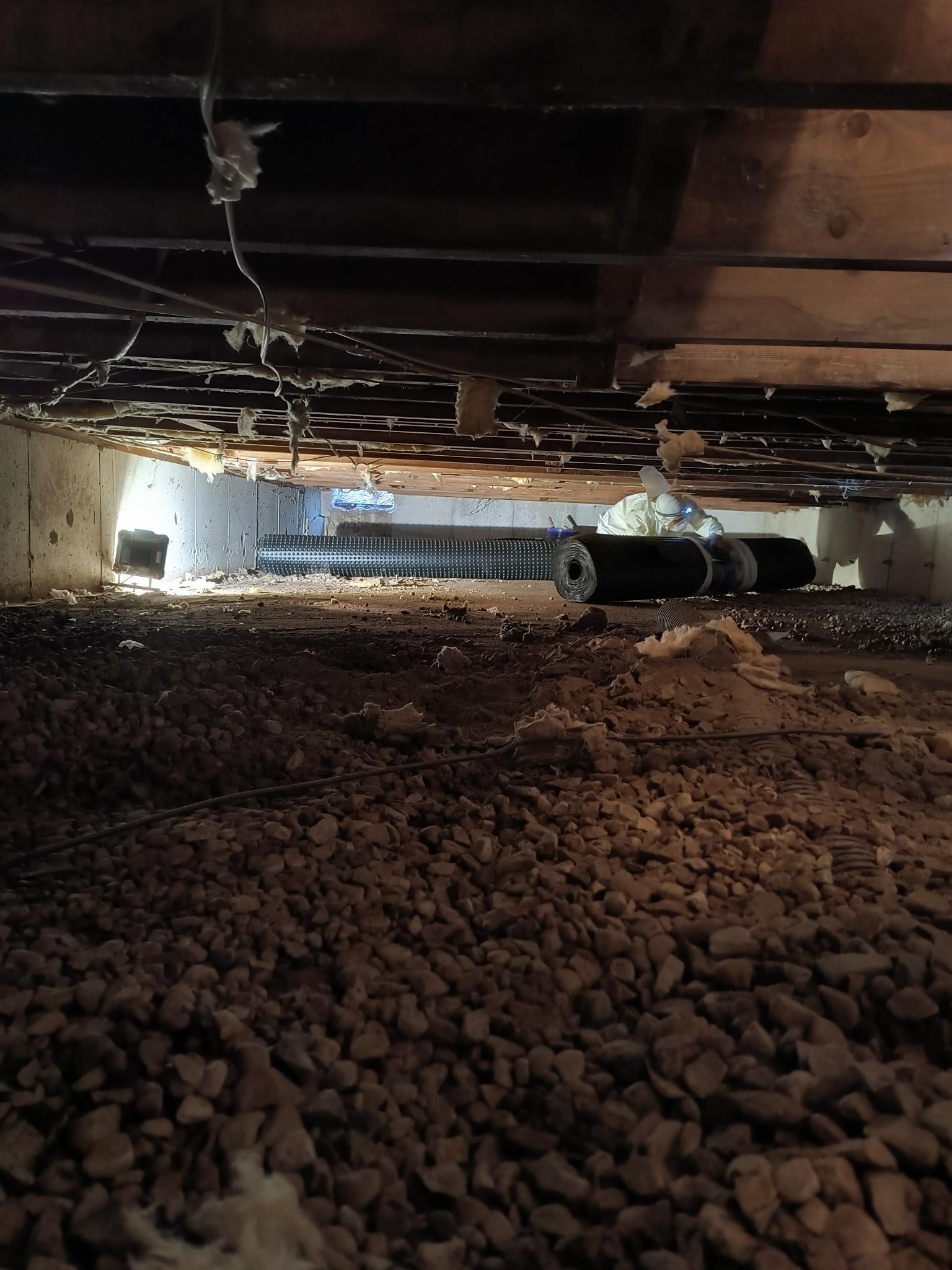
If you’re unsure, consider these three points:
- Level of Experience: If you’ve never installed a vapor barrier before, or if you’re not confident in your DIY skills, it might be best to hire a pro. They’ll have the experience and knowledge to guarantee the job is done correctly.
- Size and Complexity of the Job: Crawl space sizes and conditions can vary greatly. If yours is large, has many obstacles, or is in poor condition, a professional will be able to handle it more efficiently and safely.
- Time and Effort: Installing a vapor barrier can be labor-intensive and time-consuming. If you’re stretched thin or would rather spend your time elsewhere, hiring a pro is worth considering.
Maintenance and Troubleshooting Tips
Once your crawl space vapor barrier is installed, it’s crucial to keep it well-maintained and to know how to troubleshoot any issues that may arise.
Regular inspections are a must. You should look out for signs of damage like tears or holes that could compromise the barrier’s effectiveness. Don’t forget to check the edges and seams for any signs of separation or deterioration.
If you detect moisture in the crawl space, it’s a red flag that there’s a problem with your vapor barrier.
You’ll need to find the source of the leak and fix it immediately. It could be as simple as a tear in the barrier that needs patching or as serious as a plumbing leak requiring professional intervention.
So, you’ve learned the ropes of installing a crawl space vapor barrier. Remember, it’s essential to prepare the surface properly, orient the barrier correctly and seal the seams well. Don’t skimp on quality materials and always respect local building codes. If you’re dealing with existing moisture problems or unsure about the process, consider hiring a pro. Keep an eye on the barrier for any issues and address them promptly. It’s all about protecting your home and health.

Kevin Oberhouse was raised in Toledo with 7 siblings. Dawn and Kevin have four kids.
The Oberhouse family lives in the house Kevin built when with his first crew. Kevin’s parents invited more than 100 foster children into their home throughout his life. Kevin believes this part of his life really helped to build empathy for others.
Kevin has a degree in civil engineering and went on to get an MBA as well as multiple other certifications in structural systems, egress systems, air quality, and commercial and residential roofing, among many others.
Toledo Basement Repairs promises to treat you and your project with respect and our best professional judgment. There is plenty of work out there and Toledo Basement Repair will not push you into a system that you do not fully understand or feel comfortable with.