
You’re aware that protecting your home from potential damage is essential, and a key part of this is ensuring a proper crawl space drainage system. These systems help guard against flooding, mold growth, and other structural issues. However, do you know how these systems work? Or the importance of their regular maintenance? You might find it intriguing to explore this topic further, especially when you consider the peace of mind and potential savings a well-maintained drainage system can provide.
Key Takeaways
- Interior and exterior drainage systems are installed in crawl spaces to prevent flooding by directing water away from the home.
- Sump pump systems collect and remove water from crawl spaces, reducing the risk of flooding.
- French drains, trenches filled with gravel and a pipe, can redirect water away from homes, particularly those on slopes or in heavy rain areas.
- Gutter systems capture roof runoff, preventing water from pooling around the foundation and causing crawl space flooding.
- Vapor barriers, made from materials like polyethylene, prevent moisture seepage into the structure, contributing to flood prevention.
Understanding Crawl Space Flooding
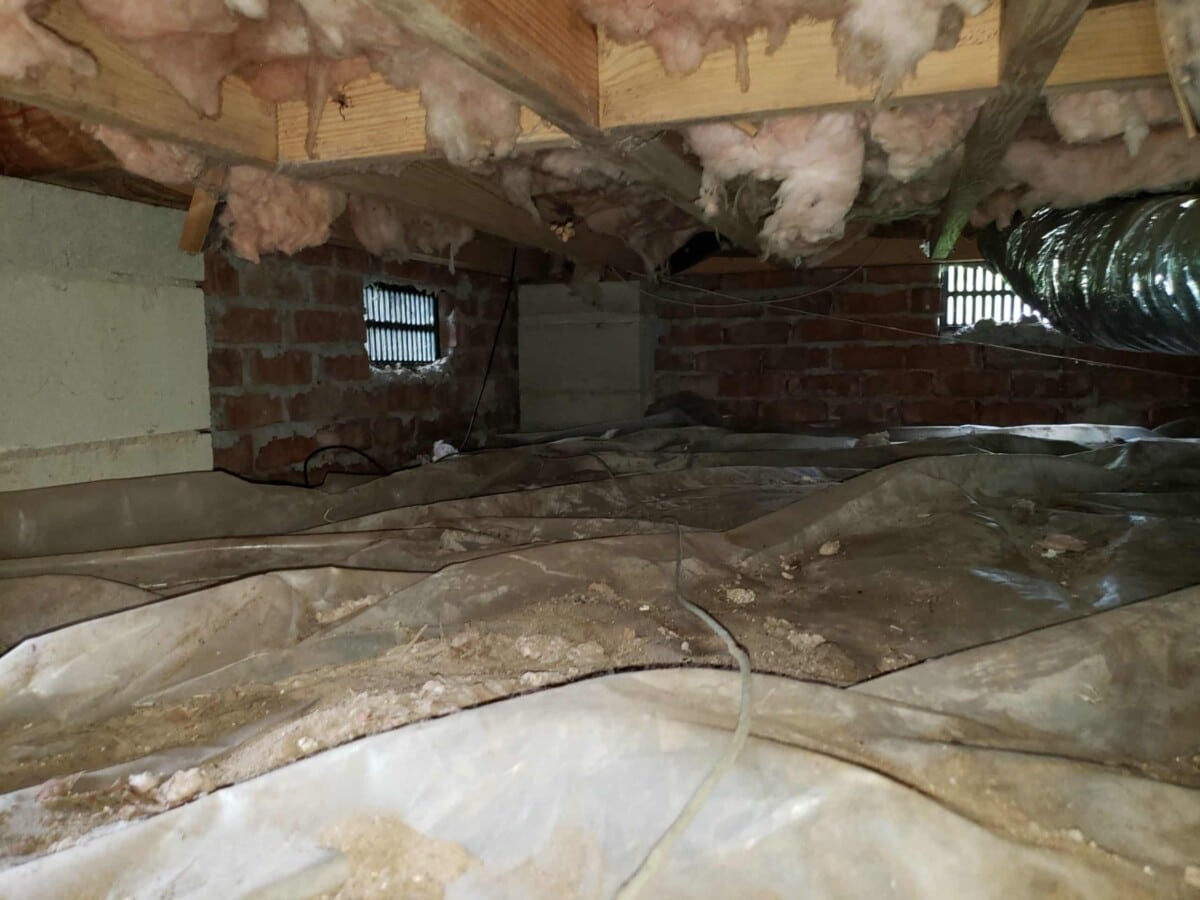 Water damage, a homeowner’s nightmare, often starts in the most overlooked areas of your home – the crawl space. This tiny area, tucked away under your home, can be a breeding ground for issues if not properly maintained.
Think about the times you’ve seen water pooling in your yard after a heavy rain. That’s surface water. Now imagine that same water seeping into your crawl space, unnoticed, until it’s too late. That’s crawl space flooding, and it’s a situation you’d rather skip.
What causes it? Primarily, it’s a lack of proper drainage, but it could also be due to a high water table, landscaping slopes, or even faulty construction. Over time, this constant dampness can result in mold growth, wood rot, and structural damage.
It’s not just an inconvenience; it’s a threat to your home’s foundation and your family’s health.
Understanding the potential for crawl space flooding is the first step in preventing it. By acknowledging the risks and taking preventative steps, you’re not just protecting your property; you’re investing in peace of mind.
And isn’t that worth it? So, let’s explore how to prevent this issue in your home.
Importance of Proper Drainage
Often, it’s the things you don’t see that cause the greatest damage. In your home, one such hidden menace can be improper crawl space drainage. It’s more important than you might think, and it’s essential to prevent flooding and the subsequent problems it can bring.
Imagine, you’re coming home after a heavy storm, only to find your crawl space filled with water. It’s not a pretty picture, is it? That’s what happens when you don’t have proper drainage. Water has nowhere to go but up and into your crawl space, creating a damp, moldy mess.
The importance of proper drainage can’t be understated. It’s your first line of defense against crawl space flooding. It directs water away from the foundation of your home, preventing it from seeping into your crawl space.
It prevents mold, mildew, and structural damage that can cost you thousands in repairs.
Types of Crawl Space Drainage Systems
Now that you understand the importance of proper drainage, let’s explore the different types of crawl space drainage systems.
These include interior crawl space drainage, exterior drainage solutions, and sump pump systems.
Each one has its own set of advantages and applications, which we’ll discuss in the following sections.
Interior Crawl Space Drainage
Understanding the intricacies of interior crawl space drainage systems can truly safeguard your home from serious water damage. These systems are designed to collect and redirect water that finds its way inside your crawl spaces, effectively reducing the risk of flooding.
The main component of an interior crawl space drainage system is the drainage channel. It’s usually installed along the interior perimeter of your crawl space. You’ll find it’s often a trench filled with gravel, with a perforated drain pipe nestled inside. The pipe collects the water that seeps into the crawl space and guides it away from your home’s foundation.
Another vital part of the system is the sump pump. It’s responsible for pumping the collected water out and away from your home. You’ll want a reliable one because if it fails, you might be facing a flooded crawl space.
It’s also important to have a vapor barrier. This plastic or foil sheet covers the crawl space floor and walls to keep moisture at bay.
Exterior Drainage Solutions
While interior solutions play a key role, let’s not overlook the importance of exterior crawl space drainage systems. They’re your first line of defense against water infiltration, guiding rainwater and groundwater away from your foundation.
Now, you’re probably wondering, “What are my options?” Well, there are two primary types: French drains and gutter systems. French drains, underground trenches filled with gravel or rock, redirect water away from your home. Meanwhile, gutter systems capture roof runoff and divert it safely away.
Choosing between the two? Here’s a brief comparison:
| French Drains | Gutter Systems |
|---|---|
| Underground | Attached to roof edges |
| Collects groundwater | Collects roof runoff |
| More complex installation | Easier to install |
| Requires regular maintenance | Requires regular cleaning |
Sump Pump Systems
In addition to exterior solutions, a sump pump system is another crucial component of your crawl space drainage. This system is designed to collect and remove any water that may accumulate within your crawl space, thereby preventing potential flooding.
It’s a surefire way to protect your property from water damage and mold growth.
Choosing an appropriate sump pump system requires careful consideration of several factors. Here are some key points to keep in mind:
- Type of Sump Pump: Pedestal and submersible are the two main types. Pedestal pumps are more accessible for maintenance, while submersible pumps are quieter and less conspicuous.
- Power Source: Confirm you’ve got a reliable power source. Consider a battery backup system for power outages.
- Capacity: The pump should be capable of handling the maximum amount of water your crawl space might accumulate.
- Installation: Professional installation is recommended to guarantee the system is correctly installed and functioning.
- Maintenance: Regular maintenance is crucial. Inspect and clean your pump periodically to make sure it’s always ready to operate.
With the right sump pump system in place, you can rest easy knowing that your crawl space, and by extension, your entire home, is protected from potential water damage.
French Drain: A Comprehensive Look
A French drain might just be your best bet for keeping your crawl space dry and mold-free. This simple yet effective drainage system works by redirecting water away from your home. It’s a trench filled with gravel and a pipe that slopes away from your house. Water seeps into the trench, is collected by the pipe, and then directed away.
You’ll find that a French drain is particularly effective if your house is located on a slope or if your crawl space is prone to flooding during heavy rains. It’s a proactive measure that could save you a lot of hassle and costly repairs down the line.
When installing a French drain, it’s vital to guarantee it’s placed at the right depth. Too shallow, and it won’t catch enough water. Too deep, and you risk undermining the foundation of your home. It’s also important that the drain slopes correctly to effectively channel water away.
While a French drain can cope with moderate levels of water, for heavy flooding, you may need to take into account a more robust system, like a sump pump.
But remember, a well-installed French drain can offer significant protection for your crawl space.
Sump Pump Systems Explained
Should your home’s crawl space be prone to heavy flooding, a sump pump system might be the solution you need. This system is specifically designed to remove water that has accumulated in a sump basin, which is often installed in the lowest part of your crawl space.
Here’s a basic rundown of how it works:
- The sump pump gets triggered once the water level in the sump basin reaches a certain height.
- The system then funnels this water away from your home to a place where it can drain away naturally.
- The pump is usually hard-wired into your home’s electrical system, but it can also have a battery backup in case of power outages.
- It’s crucial to regularly check and maintain your sump pump system, as a failure can lead to a flooded craw lspace.
- There are two types of sump pumps — submersible and pedestal. The first is submerged in the water, while the latter stands above the sump basin.
Understanding the ins and outs of a sump pump system can serve as your best defense against crawl space flooding.
It’s a worthy investment that can save you from costly damage in the long run.
Interior Vs Exterior Drainage
While a sump pump system is a great line of defense against crawl space flooding, it’s also worth considering the type of drainage system you have in place – interior or exterior.
Interior drainage systems are installed inside your crawl space, directing water that seeps in towards a sump pump or other exit point. This system is less invasive to install but may not catch all water before it enters your crawl space. It’s a good option if you’re dealing with minor seepage or water issues.
On the other hand, exterior drainage systems are installed around the outside of your home’s foundation. They catch water before it enters your crawl space, directing it away from your home. This method is very effective at preventing water intrusion but can be more expensive and require significant groundwork.
In deciding between interior and exterior drainage, consider the severity of your water problems and your budget. Both systems have their upsides and downsides, but the key is choosing the one that will best protect your home from water damage.
As always, consulting with a professional can help make this decision easier.
Implementing A Vapor Barrier
Now, let’s shift our focus to implementing a vapor barrier in your crawl space drainage system.
You’ll first need to understand what a vapor barrier is and why it’s essential.
Then, we’ll guide you step-by-step on how you can install an effective one in your home.
Understanding Vapor Barriers
In the domain of crawl space drainage systems, implementing a vapor barrier is an essential step that’s often overlooked. You may wonder: what’s a vapor barrier and why is it so vital? Well, let’s break it down.
A vapor barrier is a material designed to resist the passage of water vapor. It’s placed in your crawl space to prevent moisture from seeping into your home’s structure. Without it, you’re inviting a host of problems, from mold and mildew to structural damage.
Here are some key facts about vapor barriers to enhance your understanding:
- They’re made from various materials like polyethylene, foil-faced kraft paper, and plastic sheeting.
- Their effectiveness is measured in perms (permeability ratings). The lower the perm, the better the barrier.
- Vapor barriers don’t just block water vapor, they also help control temperature, making your home more energy efficient.
- They can be installed on the floor of the crawl space or on the interior or exterior walls.
- The cost of vapor barriers varies depending on the material and size of the space.
Understanding vapor barriers is the first step to a flood-free, healthier home environment. So, don’t overlook it in your crawl space drainage system plan.
Installing Effective Vapor Barriers
Taking the plunge into installing a vapor barrier may seem intimidating, but it’s easier than you’d think. Vapor barriers, also known as moisture barriers, are an essential element in preventing crawl space flooding. They’re designed to stop the passage of water vapor, which can lead to mold growth, wood rot, and a host of other moisture-related issues.
Firstly, you’ll need to clear out your crawl space. Remove any debris and level out the ground as best you can.
Then, you’ll lay down the vapor barrier. It’s best to use a high-quality, heavy-duty plastic sheeting that’s at least 6 mil thick. Overlap the sheets by about a foot to guarantee full coverage, and don’t forget to seal the seams with a waterproof tape.
You’ll want to secure the barrier to the crawl space walls, too. This prevents moisture from creeping in around the edges.
Finally, make sure your barrier extends up onto the foundation walls and is securely fastened. There’s no point in doing all this work if water can still find its way in.
Drainage System Installation Tips
Without a properly installed drainage system, your crawl space can become a breeding ground for mold and mildew due to excessive moisture.
This situation not only damages your home’s foundation but can also lead to serious health problems.
But don’t fret, here are some tips to guarantee you install your drainage system correctly:
- Know Your Soil Type: Different soils have different drainage capabilities. Sandy soil drains faster than clay soil. Knowing your soil type helps in selecting the right drainage system.
- Guarantee Proper Sloping: The area around your home should slope away from the foundation. This guarantees water flows away from your home, not into it.
- Use Quality Materials: Don’t skimp on materials. High-quality pipes and fittings guarantee your system lasts longer and performs better.
- Consider Professional Help: Installation can be complex. If you’re unsure, consider hiring a professional. They’ll guarantee it’s done right the first time.
- Check Local Codes: Different locales have different rules about drainage systems. Check your local codes to guarantee your system complies.
Regular Maintenance Practices
After setting up your drainage system, it’s not time to sit back and relax just yet. Regular maintenance practices are essential to guarantee its longevity and functionality. Keep in mind, it’s your frontline defense against crawl space flooding.
Firstly, you’ve got to check your system frequently. Don’t wait for a heavy rain to find out if it’s working. Ideally, you should inspect it once every three months. Look for signs of blockages like standing water or slow drainage.
Next, keep your drains clean. Debris like leaves, dirt, or small objects can cause blockages. Regular cleaning prevents such build-ups.
Don’t forget the importance of professional help either. An annual inspection by a professional can pinpoint issues you might overlook.
Lastly, you’ve got to maintain the surroundings. Trim shrubs and trees near your drainage system. Their roots can cause significant damage if left unchecked.
Also, verify the ground near your drains slopes away to prevent water pooling around it.
Mitigating Common Drainage Issues
You’ve understood the basics of crawl space drainage systems and the importance of regular maintenance.
Now, let’s tackle the common drainage issues you might encounter. From identifying these problems to finding effective solutions, we’ll guide you through each step.
Identifying Drainage Problems
Even though your crawl space may be out of sight, it shouldn’t be out of mind. A flooded crawl space can lead to costly repairs. Identifying drainage problems early on helps prevent this issue.
The first step to prevent flooding is to recognize the signs of drainage problems. Here are some red flags you should look for:
 Standing water: If you notice pools of water in your crawl space, it’s a sure sign of drainage issues.
- Musty smell: An unpleasant, moldy odor is often a sign of excessive moisture and poor drainage.
- Cracks in the foundation: These can signal that water isn’t draining properly and is putting pressure on your home’s structure.
- Mold growth: This health hazard thrives in damp environments and can indicate a drainage problem.
- Condensation: If your crawl space walls and floor are damp, you likely have a drainage issue.

Taking the time to regularly check your crawl space for these signs can save you from a major headache down the line.
Effective Drainage Solutions
So, what can you do when you’ve identified these drainage problems in your crawl space? Don’t fret. There are effective drainage solutions that can help you mitigate these common issues.
First, consider a French drain system. It’s a trench filled with gravel or rock, containing a perforated pipe that redirects surface water away from your home. It’s an effective solution, especially if your crawl space is prone to heavy water collection.
Second, sump pumps can be a lifesaver. They pump out accumulated water in your crawl space, preventing water damage and potential flooding.
Lastly, vapor barriers, though not a drainage solution per se, reduce moisture buildup. By reducing the humidity level, they indirectly help in controlling water accumulation.
Here’s a quick comparison:
| Drainage Solution | Purpose |
|---|---|
| French Drain | Redirects surface water away |
| Sump Pump | Pumps out accumulated water |
| Vapor Barrier | Reduces moisture buildup |
So, you’ve learned how essential crawl space drainage systems are to prevent flooding and damage. Whether it’s a French drain, sump pump, or vapor barrier, each plays an important role. Installation and regular maintenance can seem intimidating, but they’re necessary tasks. Don’t overlook common issues either. By staying proactive, you’ll keep your home safe, dry, and free from potential disasters. Remember, it’s all about managing water effectively to protect your home’s integrity.

Kevin Oberhouse was raised in Toledo with 7 siblings. Dawn and Kevin have four kids.
The Oberhouse family lives in the house Kevin built when with his first crew. Kevin’s parents invited more than 100 foster children into their home throughout his life. Kevin believes this part of his life really helped to build empathy for others.
Kevin has a degree in civil engineering and went on to get an MBA as well as multiple other certifications in structural systems, egress systems, air quality, and commercial and residential roofing, among many others.
Toledo Basement Repairs promises to treat you and your project with respect and our best professional judgment. There is plenty of work out there and Toledo Basement Repair will not push you into a system that you do not fully understand or feel comfortable with.
