
Ever wondered why you should opt for local experts when it comes to basement waterproofing? Local professionals not only understand the ins and outs of your area’s building codes, but they’re also privy to the unique soil conditions that might impact the effectiveness of waterproofing. Plus, there’s something to be said about the trust and accountability that comes with hiring within your community. But the benefits don’t stop there. Stick around to uncover more reasons why local expertise matters in basement waterproofing.
Key Takeaways
- Local expertise ensures compliance with regional building codes, preventing potential fines.
- Familiarity with local soil types allows for tailored, effective waterproofing solutions.
- Knowledge of regional climate and weather patterns helps address specific waterproofing challenges.
- Local professionals can offer regular inspections and maintenance, understanding the impact of regional factors on basements.
- Supporting local businesses fosters trust, accountability, and contributes to the local economy.
Understanding Basement Waterproofing
Basement waterproofing may seem like a challenging task, but understanding it’s the first step to protecting your home.
Think of it as a shield, keeping away unwanted moisture that could potentially damage your house’s foundation, walls, and belongings.
So, what’s the nitty-gritty of basement waterproofing? Well, it’s mainly about installing measures to direct water away from your basement.
This can involve exterior waterproofing, which stops water before it enters your home, or interior methods that manage any water that does get in.
It’s also about preventive maintenance, like ensuring your gutters are clean and your land slopes away from your home.
You’ve got various methods at your disposal.
Sealants can be applied to both interior and exterior walls to keep moisture out.
Drainage systems, such as sump pumps or weeping tiles, can be used to remove water that does sneak in.
Waterproofing membranes, a sort of ‘raincoat’ for your house, can be applied to your exterior walls.
Importance of Local Expertise
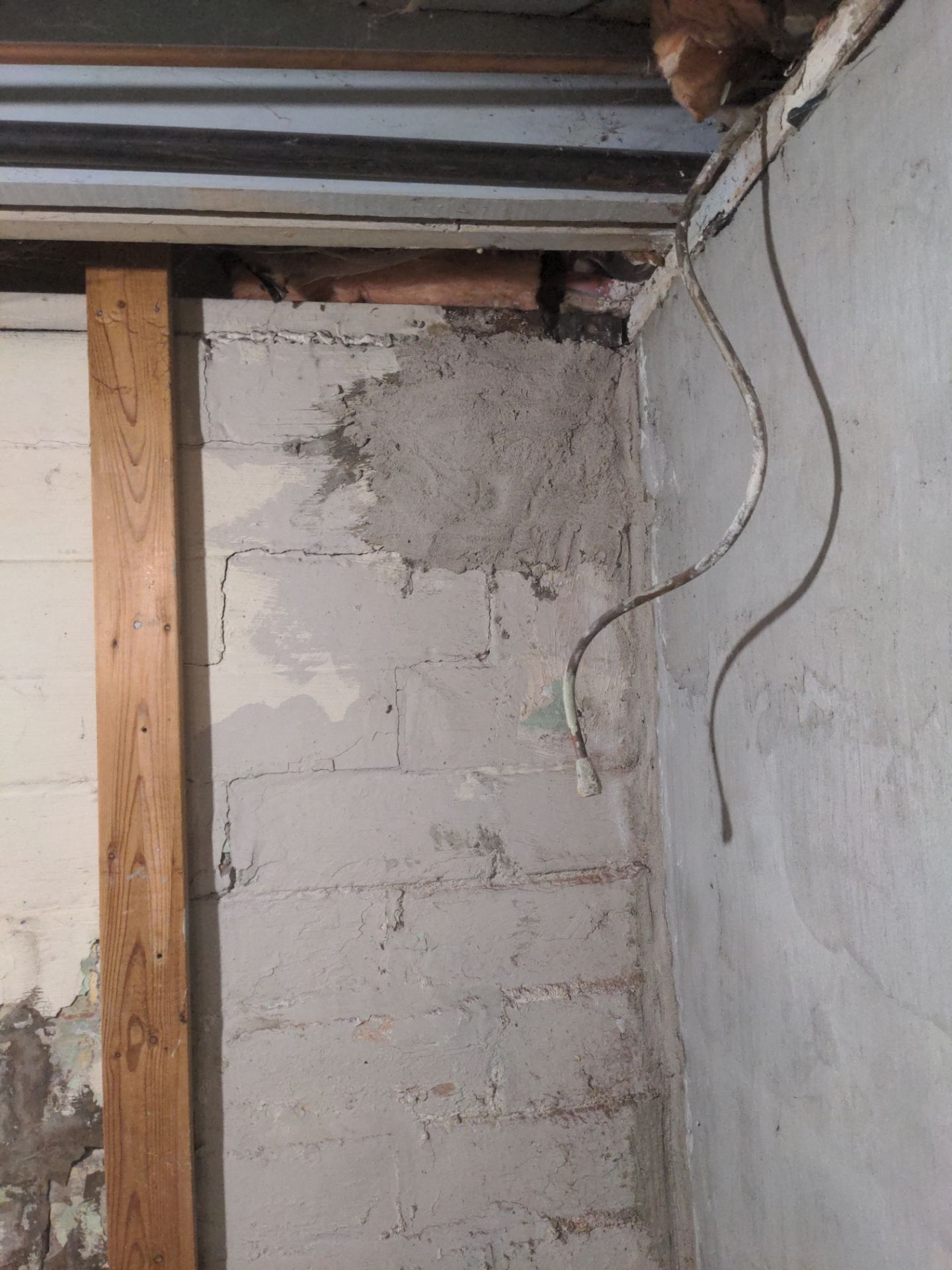 When it comes to waterproofing your basement, local expertise is a game-changer. They bring a wealth of knowledge and experience that’s invaluable.
But why is hiring a local waterproofing expert so essential?
- Understanding of Local Building Codes: Every region has its unique building codes. Local experts are familiar with these regulations, ensuring your project adheres to the rules, avoiding potential fines.
- Knowledge of Local Soil Composition: The type of soil around your home can affect the waterproofing strategy. Local experts understand the area’s soil makeup, tailoring solutions accordingly.
- Experience with Local Infrastructure: Older neighborhoods may have specific architectural quirks. A local expert is more likely to have experience working with these peculiarities.
- Community-oriented: Hiring locally supports your community’s economy. Plus, local businesses often provide personalized, high-quality service because their reputation is on the line.
Climate Impact on Basement Waterproofing
In the throes of a harsh winter or during a humid summer, you might start to notice the impact of climate on your basement’s condition. It’s vital to understand that different climates require different waterproofing strategies.
For instance, in colder regions, basements may suffer from frost heave, a phenomenon that occurs when water in the soil around your basement freezes and expands, causing the soil and anything in it to shift. This can put considerable stress on your basement walls, leading to cracks and leaks.
On the other hand, in warmer, humid climates, your basement may be prone to condensation, leading to dampness, mold, and mildew.
See the table below for a quick overview of these issues:
| Climate Type | Common Basement Issue |
|---|---|
| Cold | Frost Heave |
| Humid | Condensation |
| Rainy | Hydrostatic Pressure |
| Dry | Shrinkage Cracks |
Understanding your local climate’s impact on basement waterproofing is essential. You’ll need a local expert who’s familiar with your area’s unique weather patterns and can provide the most effective solution. That’s why ‘local expertise matters.’
Knowledge of Regional Building Codes
With basement waterproofing, it’s not just about the climate and soil conditions. You also need to take into account local building codes. These are rules and standards established by your local government. They’re designed to guarantee safety and consistency in construction practices.
Having a local expert who understands these codes can make a huge difference in the success of your waterproofing project.
- Local Code Knowledge: Your local expert is familiar with these codes and knows how to navigate them. They’ll guarantee your basement waterproofing complies with all local regulations, saving you from potential fines and headaches down the road.
- Permit Process: Often, basement waterproofing requires permits. An expert with local knowledge can streamline this process, guaranteeing you get the necessary permissions quickly and efficiently.
- Inspections: Following waterproofing, your basement may be subject to inspections. A local expert can prepare for these, guaranteeing your project passes with no issues.
- Updates: Building codes can change. A local expert stays up-to-date on these changes, guaranteeing your basement remains compliant over time.
Familiarity With Local Soil Types
You need to get familiar with your local soil types when considering basement waterproofing.
The type of soil around your home greatly impacts the waterproofing process.
Understanding Regional Soil Varieties
Often, the key to effective basement waterproofing lies in understanding your local soil types. This familiarity can greatly influence the planning and execution of your waterproofing strategy.
Different regions have distinct soil types, each with unique characteristics. It’s essential to understand these differences since they can directly affect your basement’s water retention and drainage capacity.
Here’s a brief rundown of common soil varieties:
- Sandy Soil: This type is loose and gritty to the touch. It drains quickly after rain and doesn’t retain water well, minimizing the risk of water seeping into your basement.
- Clay Soil: It’s sticky and dense, retaining water for longer periods. This soil type can increase the likelihood of water infiltration into your basement.
- Silty Soil: This soil is smooth and holds water longer than sandy soil but drains faster than clay, offering a middle-ground drainage capability.
- Loamy Soil: A balanced mix of sand, silt, and clay, loamy soil offers excellent water retention and drainage properties, reducing the risk of basement water damage.
Impact on Basement Waterproofing
Knowing your local soil type can considerably impact your basement waterproofing strategy. You might be wrestling with a damp basement, wondering why your neighbor’s cellar is dry as a bone. The answer might lie underneath your feet.
Different soils have diverse absorption rates. Clay, for instance, doesn’t absorb water well, leading to saturation and increased hydrostatic pressure on your basement walls. Sandy soil, on the other hand, drains rapidly, potentially creating instability around your home’s foundation. The local soil type can thus affect the type and extent of waterproofing required.
Moreover, soil types in your area can influence the groundwater table level. If you’re located in an area with a high water table, your basement is more prone to flooding. In this case, waterproofing becomes essential to prevent structural damage and mold growth.
Adapting to Soil Characteristics
Understanding your local soil characteristics can dramatically streamline your basement waterproofing process.
It’s all about knowing what you’re working with. Not all soil types are created equal, and each has unique properties that can impact the effectiveness of your waterproofing efforts.
- Clay Soil: If you’re dealing with clay soil, you’re in for a challenge. Clay is dense and holds water, increasing the risk of basement flooding.
Waterproofing methods for clay soil often involve exterior drainage systems.
- Sandy Soil: Sandy soil, on the other hand, drains well but can shift easily. This can cause cracks in your foundation resulting in water seepage.
Look for a waterproofing method that offers structural support.
- Loamy Soil: This soil type is a balanced mix of sand, silt, and clay. It drains well and is stable, making it ideal for basement waterproofing.
A simple interior or exterior waterproofing system would work well.
- Silty Soil: Silty soil retains more water than loamy soil but drains better than clay.
It may require a complex waterproofing solution that combines both interior and exterior systems.
Local Experts’ Quick Response Time
When your basement is prone to flooding, your local waterproofing experts’ quick response time becomes your saving grace. They’re just around the corner, ready to jump into action the moment you call. This quick turnaround isn’t just about convenience; it’s about minimizing damage to your property.
Water seepage can quickly escalate, damaging not only your basement but also your home’s structural integrity. Each moment counts. A quick response means immediate assessment and mitigation of the issue, stopping the problem before it worsens. You’re not left waiting for days while water wreaks havoc on your property. Local experts can be at your doorstep in no time, ready to tackle the problem head-on.
Moreover, local experts understand the urgency of your situation. They’re part of your community, which means they share your concerns and are committed to helping you protect your home. You’re not just another job in a long list of appointments; you’re a neighbor in need.
This sense of community duty coupled with the ability to respond rapidly makes local expertise truly invaluable when it comes to basement waterproofing. So, when the water rises, don’t panic. Your local experts are on the case, ready to respond swiftly and effectively.
Tailored Solutions for Specific Problems
You might be wondering what’s next after finding a local expert.
Let’s move onto discussing tailored solutions for specific problems.
It’s not just about quick fixes, but creating customized waterproofing techniques and understanding regional problem analysis.
Customized Waterproofing Techniques
Every homeowner’s basement has unique needs and problems that call for customized waterproofing techniques.
You can’t adopt a one-size-fits-all approach when it comes to keeping your basement dry and free from damage. Your local expert understands this and will employ a tailored strategy perfect for your specific circumstance.
Local experts use a variety of techniques, each with its own benefits.
Here are four key methods you can expect:
- Interior Water Drainage: This technique involves installing a drainage system inside your basement to prevent water accumulation. It’s less invasive and more cost-effective than exterior drainage.
- Exterior Waterproofing: This process includes installing a waterproof barrier on the outside walls of your basement. It’s more expensive but offers a thorough solution to prevent water seepage.
- Sealants: These are used to seal cracks and holes in your basement walls and floors. They’re a quick and affordable way to address minor leaks.
- Dehumidifiers: These devices help maintain an ideal humidity level in your basement, preventing dampness and mold growth.
Regional Problem Analysis
Almost all regions have their specific basement waterproofing issues influenced by local weather patterns, soil types, home construction norms, and more. Your region is no exception. You might be battling with frequent floods, high humidity, or clay-rich soils that make your basement prone to water seepage. That’s where local expertise comes into play.
A local waterproofing expert doesn’t just apply a one-size-fits-all solution. They understand the unique challenges of your region. They’re familiar with the specific problems caused by your area’s climate and soil type. They’ll tailor their solution to effectively address your particular situation.
Here’s an illustration of how local expertise can make a difference:
| Region-Specific Challenge | Tailored Solution |
|---|---|
| High Humidity | Use of dehumidifiers and vapor barriers |
| Clay-rich Soil | Implementation of a full-perimeter drain system |
| Frequent Floods | Installation of sump pumps and flood alarms |
Trust and Reputation in Local Communities
In the domain of basement waterproofing services, trust and reputation play a pivotal role, particularly within local communities.
To understand why, picture yourself in a situation where you need these services. Would you trust a faceless corporation or a local expert who’s been serving your community for years?
Here’s why trust and reputation matter:
- Tangible Track Record: When a company has been in business locally, they’ve likely served your neighbors. You can see their work firsthand and hear about their experiences.
- Accountability: If something goes wrong, a local company can’t hide. They’re part of your community and they’re accountable to their customers.
- Local Knowledge: They understand the unique challenges of your area, which helps them provide better, more appropriate solutions.
- Community Investment: Local companies reinvest in the community. Your payment doesn’t go to some distant head office, but stays local, supporting your community.
Long-Term Support and Maintenance
You’ve got your basement waterproofed, now what? The key to keeping it dry and damage-free lies in long-term support and maintenance.
Let’s discuss the importance of routine inspections, how to handle emergency repairs, and strategies for preventive maintenance.
Routine Inspection Importance
Regular basement inspections play an essential role in maintaining the longevity of your waterproofing system. They guarantee everything’s working as it should and help identify potential issues before they turn into costly repairs.
But why are these routine checks so important?
- Preventative Maintenance: Regular inspections can catch minor problems before they escalate. This could include cracks, leaks, or mold buildup. By tackling these early, you’re saving yourself from more significant issues down the line.
- Assurance of Functionality: A routine inspection guarantees that your waterproofing system is working correctly, providing peace of mind knowing your basement remains dry and safe.
- Longevity of the System: Regular maintenance checks extend the life of your waterproofing system. By keeping it in top shape, you’re protecting your investment and guaranteeing it lasts for years to come.
- Value Protection: A well-maintained basement boosts your home’s value. Potential homebuyers will appreciate a dry, well-cared-for basement, increasing your home’s overall appeal.
Handling Emergency Repairs
Despite your best efforts with routine inspections and preventative maintenance, emergency repairs can still arise with your basement waterproofing system. When that happens, don’t panic. Instead, seek out the help of local experts who are well-versed in handling such emergencies. They’ll be able to pinpoint the issue quickly and more importantly, solve it efficiently.
It’s essential to understand that emergency repairs aren’t something to be postponed. Lingering water damage can lead to a host of other problems, such as mold growth and structural instability. That’s why it’s vital to address these issues promptly.
Your local basement waterproofing professionals are equipped with the necessary tools and knowledge to handle these emergencies. They’ve seen it all and done it all regarding basement emergencies. So, you can trust them to quickly and effectively fix your basement woes.
Besides, they’re just a call away, making them a convenient option for immediate assistance.
In the end, remember that you’re not alone in tackling these emergency repairs. Local expertise is there to back you up, ensuring your basement remains dry and damage-free for the long haul.
Preventive Maintenance Strategies
While it’s reassuring to have skilled professionals at your disposal for emergency repairs, a more proactive approach to your basement waterproofing can help sidestep such emergencies.
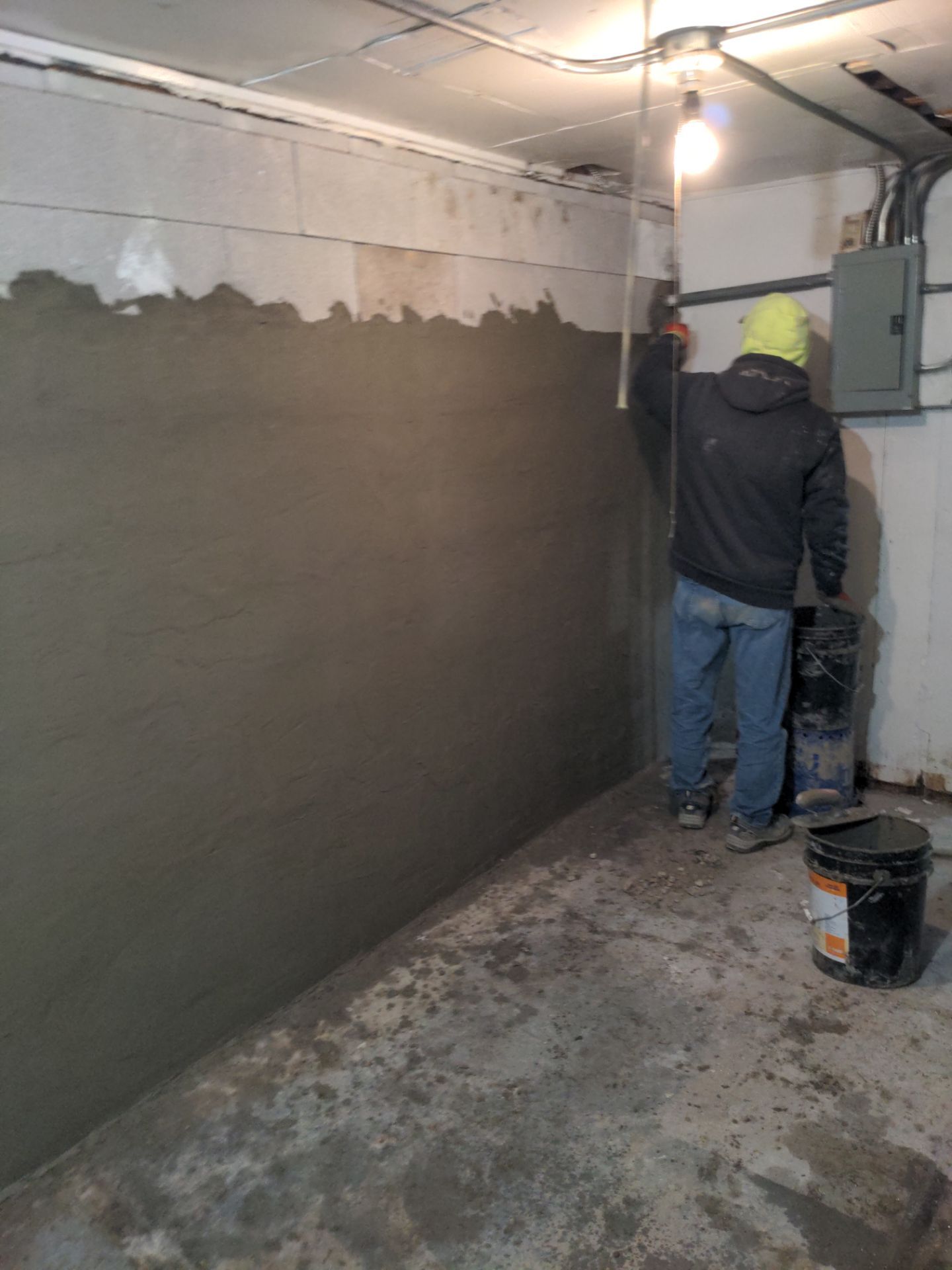 It’s about shifting from reactive fixes to preventive maintenance. And here’s why it’s essential for your home’s long-term upkeep.
- Regular Inspections: By having your basement inspected regularly by local professionals, you’ll catch potential issues before they escalate.
They’re familiar with the weather patterns and soil types in your area, which can affect your basement’s condition.
- Proper Drainage: Confirm your home has effective drainage systems.
Gutters, downspouts, and land grading can help direct water away from your foundation, reducing the risk of basement leaks.
- Sealant Refreshes: Over time, waterproofing sealants can deteriorate.
Regular checks and refreshes guarantee that your basement stays watertight, preventing costly water damage.
- Humidity Control: Basements can become damp and humid, encouraging mold growth.
Use dehumidifiers and confirm good ventilation to maintain a dry, healthy space.
Investment Value of Professional Waterproofing
Investing in professional basement waterproofing can greatly boost your property’s value. In fact, it’s one of those home improvements that’s worth every penny you spend. You might be wondering, “Why?” Well, here are a few compelling reasons.
For starters, a dry, waterproofed basement considerably reduces the risk of costly damage caused by water leaks, mold, and structural issues. It also offers the potential for additional living space, enhancing comfort while increasing the total square footage of your home on paper, a key factor in real estate valuations.
To put it into perspective, consider this table:
| Benefit | Impact | ROI |
|---|---|---|
| Damage Prevention | Lower Repair Costs | High |
| Additional Space | Increased Comfort and Home Value | Medium-High |
| Health Benefits | Reduced Risk of Mold-Related Health Issues | Medium |
Apart from the financial aspect, there’s also the peace of mind you get knowing your home is protected against water damage. You’ll sleep better knowing your investment is secure. So, don’t hesitate. The investment value of professional waterproofing is clear. Consider it as more than just an expense; it’s a strategic move to safeguard your property’s value.
So, why does local expertise matter when it comes to basement waterproofing? It’s simple. They’ve got the know-how on regional codes, local soil types, and unique climate impacts. They’ll offer tailored solutions, backed by a solid reputation in the community. Plus, you’ll have long-term support and maintenance. And let’s not forget – hiring local boosts your home’s value and supports your community. It’s a win-win!

Kevin Oberhouse was raised in Toledo with 7 siblings. Dawn and Kevin have four kids.
The Oberhouse family lives in the house Kevin built when with his first crew. Kevin’s parents invited more than 100 foster children into their home throughout his life. Kevin believes this part of his life really helped to build empathy for others.
Kevin has a degree in civil engineering and went on to get an MBA as well as multiple other certifications in structural systems, egress systems, air quality, and commercial and residential roofing, among many others.
Toledo Basement Repairs promises to treat you and your project with respect and our best professional judgment. There is plenty of work out there and Toledo Basement Repair will not push you into a system that you do not fully understand or feel comfortable with.