
Basement waterproofing membrane is a crucial component in maintaining the structural integrity of your home. Whether you’re dealing with an existing moisture issue or looking to prevent future problems, understanding the ins and outs of basement waterproofing membranes is essential. In this comprehensive guide, we’ll delve into everything you need to know about basement waterproofing membranes, from its importance to its installation process and benefits.
1. Understanding Basement Waterproofing Membrane
What is a Basement Waterproofing Membrane?

A basement waterproofing membrane is a specialized material designed to prevent water infiltration into the basement or foundation of a building. It serves as a protective barrier, effectively sealing the structure from moisture and groundwater. This membrane is typically applied to the exterior or interior surfaces of basement walls, as well as around windows, doors, and other vulnerable areas.
Types of Basement Waterproofing Membrane
There are several types of basement waterproofing membranes, each with its unique characteristics and applications:
Liquid Applied Membrane: This type of membrane is typically made of a polymer-based liquid that is applied directly onto the surface of the basement walls. Once applied, it forms a seamless, flexible barrier that conforms to the shape of the substrate, effectively preventing water penetration. Liquid-applied membranes are often used for both new construction and retrofit projects due to their ease of application and versatility.
Sheet Membrane: Sheet membranes consist of pre-formed sheets or rolls of waterproofing material, such as rubber, PVC, or modified bitumen. These membranes are typically applied to the exterior surface of basement walls and are secured in place with adhesive or mechanical fasteners. Sheet membranes offer excellent durability and resistance to water penetration, making them ideal for below-grade applications.
Bentonite Clay Membrane: Bentonite clay membranes are composed of natural sodium bentonite clay, which swells when exposed to moisture, creating a watertight seal. These membranes are typically installed on the exterior surface of basement walls and are often used in conjunction with drainage systems to provide added protection against water infiltration.
Cementitious Waterproofing: Cementitious waterproofing products are composed of cement-based materials that are mixed with water to form a paste or slurry. Once applied to the surface of the basement walls, these materials penetrate the substrate and form a dense, waterproof barrier. Cementitious waterproofing is often used in conjunction with other waterproofing methods to provide added protection against water intrusion.
Other Types: Additionally, there are other specialized membranes available, such as spray-applied membranes, self-adhering membranes, and hybrid systems that combine multiple waterproofing technologies. The choice of membrane type will depend on factors such as the specific requirements of the project, site conditions, and budget constraints.
Understanding the different types of basement waterproofing membranes is essential for selecting the right solution for your specific needs. Consulting with a qualified waterproofing professional can help you determine the most suitable membrane type for your project and ensure effective long-term protection against water damage.
2. Importance of Basement Waterproofing Membrane
Preventing Water Damage
Basement waterproofing membrane plays a crucial role in preventing water damage to the foundation of a building. Basements are particularly vulnerable to water intrusion due to their below-ground location and direct contact with the surrounding soil. Without adequate protection, water can seep through the porous concrete walls and floors, leading to a host of issues such as:
- Structural Damage: Prolonged exposure to moisture can compromise the structural integrity of the foundation, leading to cracks, shifting, and settling. This can result in costly repairs and pose safety risks to occupants.
- Mold and Mildew Growth: Moisture buildup in the basement creates an ideal environment for mold and mildew to thrive. These fungi not only cause unpleasant odors and unsightly stains but also pose serious health risks to occupants, especially those with allergies or respiratory conditions.
- Deterioration of Finishes: Water infiltration can damage interior finishes such as drywall, paint, and flooring materials, requiring costly repairs and replacements.
- Electrical Hazards: Moisture in the basement can create electrical hazards if it comes into contact with wiring, outlets, or appliances. This poses a risk of electric shock and fire, jeopardizing the safety of occupants.
By installing a high-quality basement waterproofing membrane, homeowners can effectively mitigate these risks and protect their property from water-related damage. The membrane acts as a barrier, preventing water from penetrating the foundation walls and creating a dry, habitable space below ground.
Enhancing Indoor Air Quality
In addition to protecting the structural integrity of the building, the basement waterproofing membrane also plays a significant role in enhancing indoor air quality. Moisture infiltration in the basement can lead to elevated humidity levels throughout the home, creating a breeding ground for mold, mildew, and other indoor air pollutants.
Exposure to mold and mildew can trigger allergic reactions, exacerbate respiratory conditions such as asthma, and contribute to other health problems. By preventing moisture buildup in the basement, the waterproofing membrane helps to maintain optimal indoor air quality, creating a healthier living environment for occupants.
3. Installation Process
The installation process of basement waterproofing membrane is a critical step in ensuring its effectiveness in protecting the foundation of a building. Proper installation requires careful preparation, attention to detail, and adherence to industry best practices. Below is an overview of the typical installation process for basement waterproofing membrane:
Exterior Waterproofing
- Surface Preparation: Before applying the waterproofing membrane, the exterior surface of the basement walls must be thoroughly cleaned and inspected for any cracks, voids, or other defects. Any existing moisture or debris should be removed to ensure proper adhesion of the membrane.
- Application of Waterproofing Membrane: Once the surface is prepared, the waterproofing membrane is applied directly onto the exterior walls using a variety of methods, such as spray application, roller application, or trowel application. The membrane is typically applied in multiple layers to ensure complete coverage and a seamless seal. Special attention is paid to vulnerable areas such as corners, joints, and protrusions to prevent water infiltration.
- Drainage Installation: In conjunction with the waterproofing membrane, a drainage system is installed around the perimeter of the foundation to collect and divert water away from the building. This may include the installation of perforated drainage pipes, gravel or aggregate backfill, and drainage mats or panels. Proper drainage is essential for relieving hydrostatic pressure against the foundation walls and preventing water from pooling around the structure.
- Backfilling: Once the waterproofing membrane and drainage system are in place, the excavated soil is backfilled against the foundation walls. Care must be taken to compact the soil properly to prevent settling and ensure adequate drainage away from the building.
Interior Waterproofing
- Surface Preparation: For interior waterproofing, the interior surface of the basement walls is cleaned and inspected for any signs of moisture or damage. Any cracks or voids are repaired using appropriate materials such as hydraulic cement or epoxy injection.
- Application of Waterproofing Membrane: The waterproofing membrane is applied directly onto the interior walls using methods similar to exterior waterproofing, such as spray application, brush application, or roller application. Multiple layers may be applied to ensure complete coverage and a seamless seal. Sealants may also be applied to joints, cracks, and other vulnerable areas to provide added protection against water infiltration.
- Drainage System Installation (if applicable): In some cases, an interior drainage system may be installed to collect and redirect water away from the basement. This may include the installation of interior drainage channels, sump pumps, and discharge pipes. Interior drainage systems are particularly effective in basements with high water table levels or recurrent moisture issues.
- Sealant Application: Once the waterproofing membrane is in place, sealants may be applied to the interior surfaces of the basement walls to provide an additional layer of protection against moisture penetration. This helps to create a seamless barrier and enhance the effectiveness of the waterproofing system.
4. Benefits of Basement Waterproofing Membrane
Basement waterproofing membrane offers a myriad of benefits for homeowners, ranging from protecting their property investment to ensuring a safe and healthy living environment. Understanding these benefits can help homeowners appreciate the importance of investing in basement waterproofing membranes. Below are some key advantages:
Long-Term Protection
One of the primary benefits of a basement waterproofing membrane is its ability to provide long-term protection against water damage. By creating a watertight barrier between the foundation walls and the surrounding soil, the membrane prevents moisture from seeping into the basement, thus safeguarding the structural integrity of the building. This protection extends the lifespan of the foundation and reduces the need for costly repairs and maintenance over time.
Prevention of Mold and Mildew Growth
Moisture infiltration in the basement creates an ideal environment for mold and mildew growth, which can pose serious health risks to occupants. Basement waterproofing membrane helps to keep the basement dry and free from excess humidity, thus inhibiting the growth of mold, mildew, and other indoor air pollutants. This not only improves indoor air quality but also creates a healthier living environment for homeowners and their families.
Increased Living Space
A dry, waterproofed basement can be transformed into valuable living space, offering homeowners additional square footage for recreation, storage, or even living quarters. By protecting the basement from water damage, waterproofing membrane allows homeowners to maximize the use of their property and increase its resale value. Whether converted into a home theater, home gym, or extra bedroom, a waterproofed basement adds functional living space and enhances the overall livability of the home.
Energy Efficiency
Basement waterproofing membranes can also contribute to improved energy efficiency in the home. By sealing off air leaks and preventing moisture infiltration, the membrane helps to create a more airtight building envelope, reducing the workload on heating and cooling systems. This results in lower energy consumption and utility bills, providing long-term cost savings for homeowners. Additionally, a dry basement is less prone to temperature fluctuations and humidity levels, creating a more comfortable indoor environment year-round.
5. Maintaining Basement Waterproofing Membrane
Proper maintenance of the basement waterproofing membrane is essential for ensuring its long-term effectiveness in protecting the foundation of a building. Regular inspections and proactive measures can help identify and address any issues before they escalate into costly repairs. Below are some key maintenance tips for homeowners to keep their basement waterproofing membrane in optimal condition:
5.1 Regular Inspections
Schedule regular inspections of the basement waterproofing membrane to check for any signs of damage, wear, or deterioration. Inspect both the interior and exterior surfaces of the basement walls, as well as around windows, doors, and other penetrations. Look for cracks, holes, bulges, or discoloration, as these may indicate areas where the membrane has been compromised. Pay special attention to areas where the membrane intersects with other building components, as these are common weak points for water infiltration.
5.2 Prompt Repairs
If any damage or deterioration is detected during the inspection, it’s crucial to address it promptly to prevent further issues. Repair any cracks, holes, or tears in the membrane using appropriate waterproofing materials such as patching compounds, sealants, or repair tapes. For more extensive damage, consult with a qualified waterproofing professional to assess the situation and determine the best course of action.
5.3 Maintain Proper Drainage
Ensure that the drainage system around the perimeter of the foundation is functioning properly to prevent water buildup and hydrostatic pressure against the basement walls. Keep gutters and downspouts clear of debris to allow for proper water drainage away from the building. Monitor the performance of any interior drainage systems, such as sump pumps or French drains, and address any issues promptly to prevent water from pooling in the basement.
5.4 Manage Exterior Grading
Maintain proper grading around the foundation to ensure that water flows away from the building rather than towards it. Slope the ground away from the foundation at a minimum gradient of one inch per foot for the first six feet. This helps to prevent water from pooling around the basement walls and putting pressure on the waterproofing membrane. Add soil or landscaping materials as needed to maintain the desired slope and prevent erosion.
5.5 Protect the Membrane
Take steps to protect the basement waterproofing membrane from damage during landscaping or construction activities. Avoid digging near the foundation or driving heavy equipment over the membrane, as this can cause punctures or tears. Install protective barriers such as gravel, mulch, or landscaping fabric to shield the membrane from physical damage and UV exposure. Additionally, be mindful of any landscaping or hardscaping changes that could impact water flow around the foundation, and adjust as necessary to maintain proper drainage.
5.6 Professional Maintenance
Consider scheduling periodic maintenance inspections with a qualified waterproofing contractor to assess the condition of the basement waterproofing membrane and address any maintenance issues proactively. Professional inspections can help identify potential problems early on and prevent costly repairs or water damage in the future. Additionally, professional contractors may offer maintenance services such as membrane cleaning, sealing, or reapplication to ensure optimal performance over time.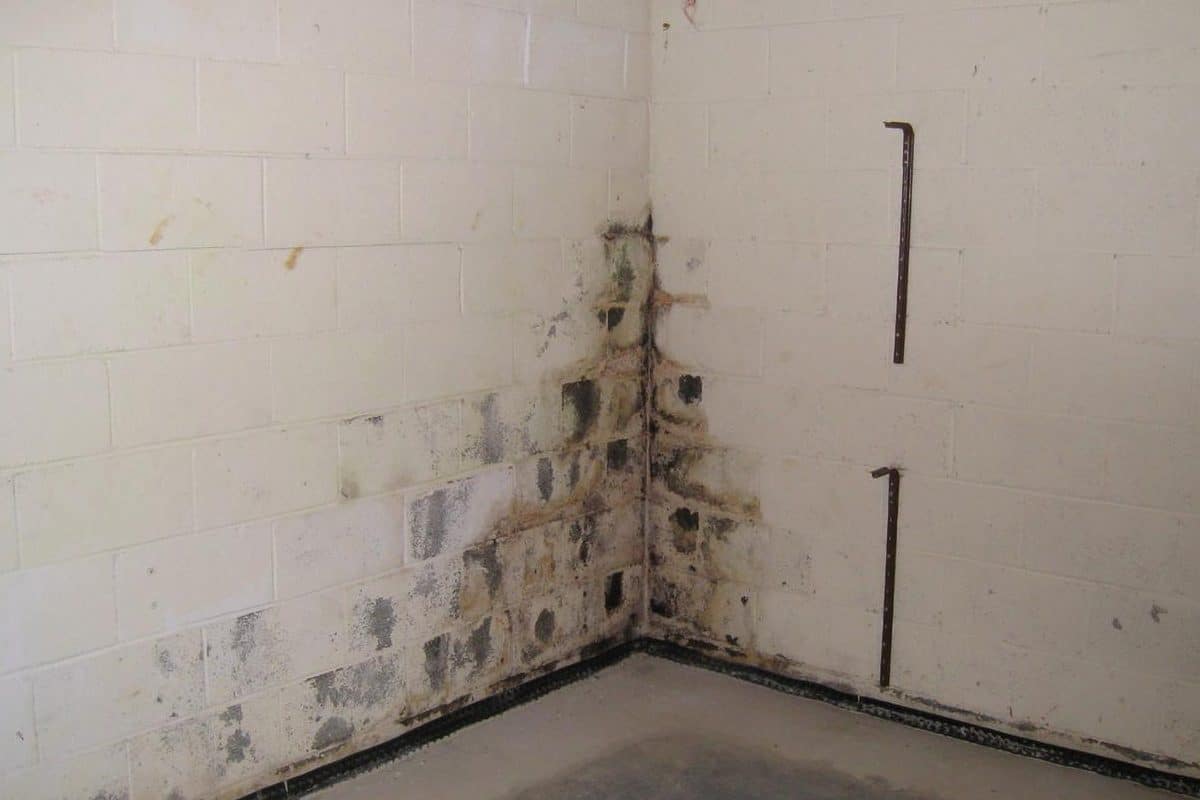
By following these maintenance tips and staying vigilant, homeowners can preserve the integrity of their basement waterproofing membrane and enjoy long-lasting protection against water damage. A well-maintained waterproofing system not only safeguards the foundation of the building but also provides peace of mind and security for homeowners and their families.
In conclusion, Basement waterproofing membrane is a critical investment in the long-term health and stability of your home. By understanding its importance, installation process, and benefits, you can take proactive steps to protect your basement from water damage and ensure a safe living environment for years to come.
Remember, when it comes to basement waterproofing membranes, prevention is key. Don’t wait until water damage occurs – take action today to safeguard your home’s foundation.
Contact the Professionals at Toledo Basement Repair Today! (419) 297-6138

Kevin Oberhouse was raised in Toledo with 7 siblings. Dawn and Kevin have four kids.
The Oberhouse family lives in the house Kevin built when with his first crew. Kevin’s parents invited more than 100 foster children into their home throughout his life. Kevin believes this part of his life really helped to build empathy for others.
Kevin has a degree in civil engineering and went on to get an MBA as well as multiple other certifications in structural systems, egress systems, air quality, and commercial and residential roofing, among many others.
Toledo Basement Repairs promises to treat you and your project with respect and our best professional judgment. There is plenty of work out there and Toledo Basement Repair will not push you into a system that you do not fully understand or feel comfortable with.
