
Waterproofing a basement is a complex process that requires professional expertise and advanced techniques to ensure lasting protection. Many homeowners overlook the importance of proper waterproofing until significant water damage occurs, leading to costly repairs. Hiring a professional contractor to waterproof your basement is not only an investment in the structure of your home but also in the health and safety of its occupants. This article delves into the most advanced professional basement waterproofing techniques and explains why they are crucial for long-term effectiveness.
Exterior Waterproofing Systems
One of the most thorough approaches to basement waterproofing is exterior waterproofing. This method requires significant excavation and a deep understanding of the home’s foundation and soil conditions. When executed by professionals, exterior waterproofing offers unmatched protection against water penetration.
- Excavation and Site Preparation
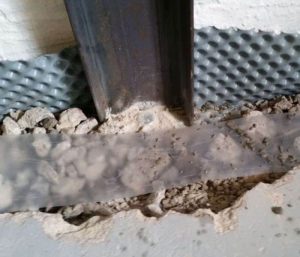 Exterior waterproofing begins with excavation around the foundation walls. Professionals remove the soil around the basement walls to expose the structure. This process is labor-intensive and requires specialized equipment, making it best suited for professional contractors. Once the foundation is exposed, contractors inspect it for any signs of damage.
 - Foundation Repair and Surface Smoothing
Before applying any waterproofing materials, professionals repair any cracks or structural weaknesses in the foundation walls. This is a critical step because even minor imperfections can lead to water infiltration. Using hydraulic cement or epoxy, contractors fill cracks and smooth out the surface to ensure that the waterproofing materials adhere properly. - Waterproof Membrane Application
A key component of exterior waterproofing is the application of a waterproof membrane. Professionals use heavy-duty materials like rubberized asphalt, polyurethane, or bentonite sheets to create a seamless barrier between the foundation and surrounding soil. These materials are highly durable and flexible, allowing them to expand and contract with the foundation without cracking. - Drainage Systems
In addition to applying waterproof membranes, professional contractors install drainage systems to divert water away from the foundation. One of the most common systems used is the French drain, which channels groundwater away from the foundation. A perforated pipe is installed at the base of the foundation, surrounded by gravel, to capture and redirect water into a sump pump or other drainage outlet.

Interior Waterproofing Systems
While exterior systems provide comprehensive protection, interior waterproofing is often necessary to address water that has already penetrated the basement. Interior systems, when installed by professionals, can be highly effective at controlling moisture and preventing further damage.
- Basement Floor Drainage System
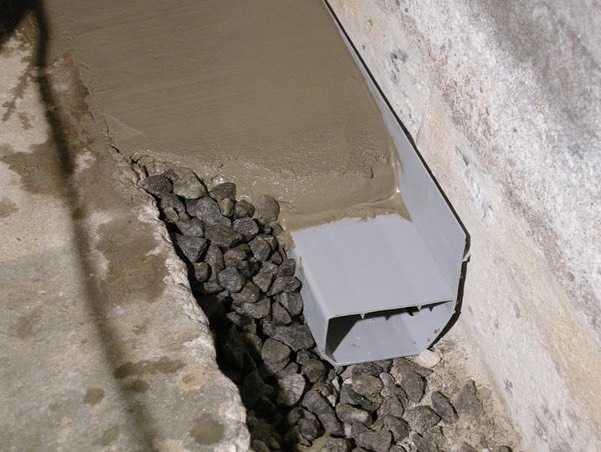
One of the most reliable interior waterproofing methods is the installation of an interior drainage system. Contractors remove a portion of the basement floor around the perimeter to install a perforated drain pipe. This pipe captures water that seeps into the basement and directs it into a sump pump system for removal. - Crack Injection Repair
For homes with minor water issues, professionals may recommend crack injection. This involves injecting polyurethane or epoxy into foundation cracks to seal them from the inside. While some homeowners attempt this as a DIY project, professional crack injection ensures that the cracks are filled properly and that the sealing material adheres correctly. - Sump Pump Installation
Sump pumps play a vital role in many interior waterproofing systems. A sump pump is installed in a sump basin, where water collected by the drainage system is directed. The pump automatically expels water away from the home, ensuring that the basement remains dry. Professionals assess the size of the basement and the amount of water that typically enters to determine the best type and size of pump for the job. - Vapor Barriers and Coatings
Vapor barriers and waterproof coatings are also part of professional interior waterproofing strategies. Contractors apply these materials to the walls and floors of the basement to create an additional layer of protection against moisture. These coatings can penetrate the surface of the concrete, sealing pores and preventing water vapor from seeping through.
Foundation Wall Anchoring Systems
Professional basement waterproofing often includes the installation of wall anchoring systems, particularly in cases where water infiltration has caused structural damage. When hydrostatic pressure builds up against basement walls, it can lead to bowing or cracking. Foundation wall anchors stabilize the walls and prevent further movement.
- Installation Process
Professionals install wall anchors by drilling small holes in the affected walls and driving steel rods into the soil outside the home. These rods are attached to metal plates, which are then tightened to pull the wall back into its original position. Over time, the anchors can be adjusted to improve the wall’s stability further.
Why Professional Waterproofing is Crucial
While there are many DIY waterproofing solutions available, they often provide only temporary relief from moisture problems. Professional waterproofing, on the other hand, is designed to address the root causes of water infiltration. Contractors have the experience, knowledge, and equipment to identify the underlying issues and provide lasting solutions.
 Access to Advanced Materials
Professional waterproofing contractors use high-quality materials that are often unavailable to the general public. These materials, such as commercial-grade waterproof membranes and advanced drainage systems, are designed for long-term durability and performance.- Expert Assessment
Every home is different, and waterproofing needs vary depending on the soil composition, foundation type, and climate. Professional contractors can assess the specific conditions of a property and recommend the most appropriate waterproofing techniques. - Comprehensive Solutions
Professional waterproofing involves a combination of interior and exterior techniques, ensuring that every potential entry point for water is addressed. By taking a holistic approach, contractors can provide comprehensive protection against water damage.
Professional basement waterproofing techniques are essential for protecting a home from water damage and ensuring long-term stability. Whether through exterior systems like waterproof membranes and drainage systems or interior solutions such as sump pumps and crack injection, professional contractors offer the expertise and tools necessary to keep basements dry and structurally sound. Investing in professional waterproofing is an investment in the health and safety of the home, preventing costly damage and maintaining a comfortable living environment.
Contact the Professionals at Toledo Basement Repair Today! (419) 297-6138

Kevin Oberhouse was raised in Toledo with 7 siblings. Dawn and Kevin have four kids.
The Oberhouse family lives in the house Kevin built when with his first crew. Kevin’s parents invited more than 100 foster children into their home throughout his life. Kevin believes this part of his life really helped to build empathy for others.
Kevin has a degree in civil engineering and went on to get an MBA as well as multiple other certifications in structural systems, egress systems, air quality, and commercial and residential roofing, among many others.
Toledo Basement Repairs promises to treat you and your project with respect and our best professional judgment. There is plenty of work out there and Toledo Basement Repair will not push you into a system that you do not fully understand or feel comfortable with.